
The evolution of portable tech is redefining daily experiences, from interactive spectacles to intuitive wrist gadgets, continuously challenging the balance between advancement and safeguarding personal data. As the boundary between convenience and privacy blurs, society grapples with the implications of these pervasive personal companions.
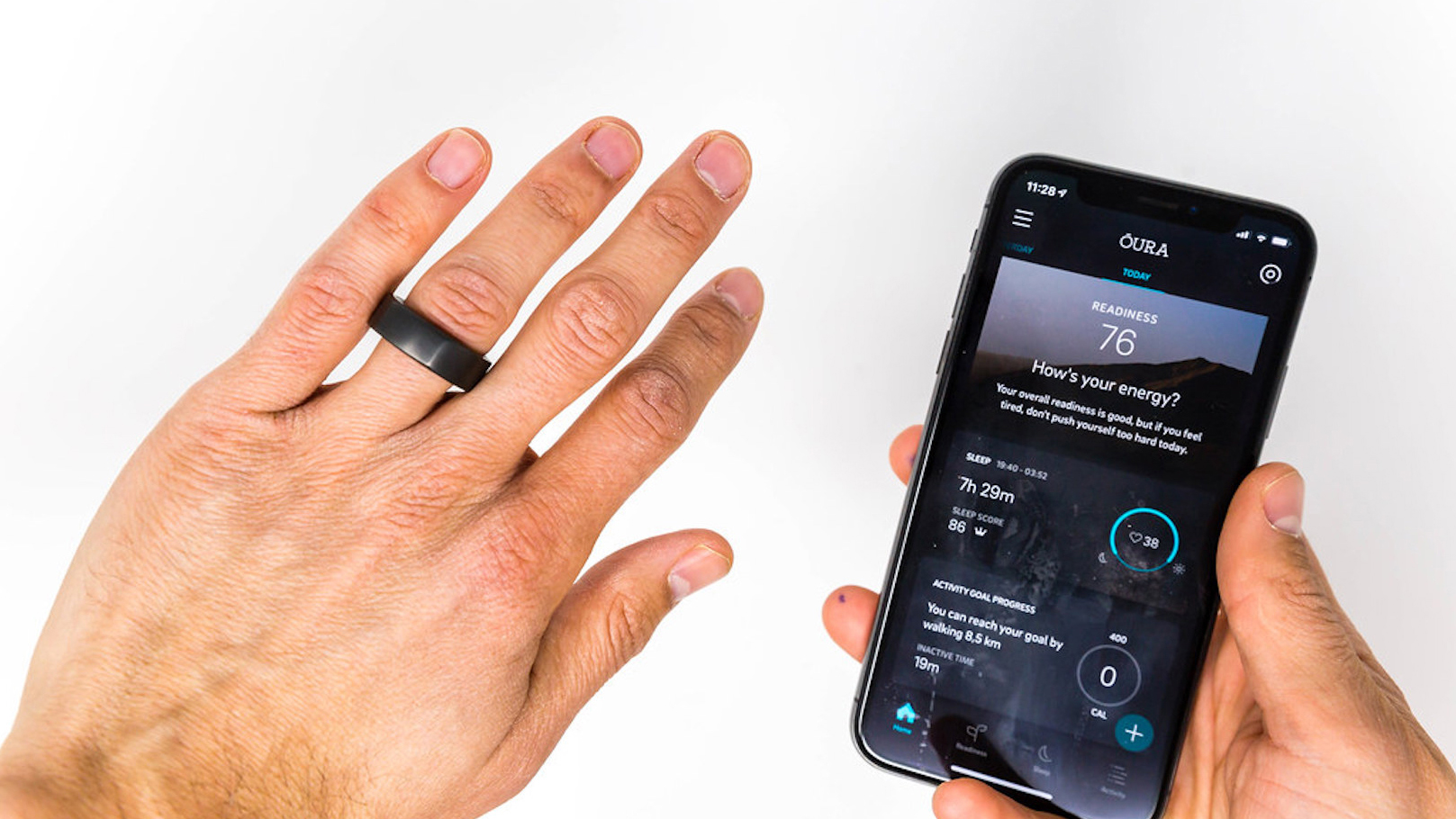
Unpacking Wearable Tech: Beyond the Wrist
Wearable technology is quickly reshaping everyday life, moving past basic fitness bands to become intricate parts of our digital ecosystem. This progression is marked by the development of devices capable of more than just tracking steps, diving into realms such as healthcare, finance, and entertainment.
The Evolution from Wrist to Multi-Function Devices
Wearables began as simple devices strapped to our wrists, counting steps and calories. Today, they have morphed into highly sophisticated tools. Smartwatches now monitor heart rhythms, track sleep, and even detect irregular heartbeats, alerting the user of potential health risks. They also seamlessly integrate with smartphones, allowing for notifications and communication without the needfulness of pocket devices. Meanwhile, AR glasses enhance our visual reality, overlaying digital information seamlessly onto our real-world views, opening new dimensions in gaming, navigation, and professional training. Wearable payment systems exemplify further diversification, allowing transactions with a mere wrist tap. This diversification illustrates how wearables are moving beyond health to redefine convenience in shopping and travel.
Integration into Healthcare Sector
A major area of advancement for wearables lies in healthcare. These gadgets now provide real-time health insights that were once limited to clinics. Devices capable of continuous glucose monitoring or ECG tracking offer individuals the ability to manage chronic conditions more effectively. They facilitate remote patient monitoring, saving time and costs associated with hospital visits. This leads to the promise of a more proactive healthcare system where interventions can be made before conditions worsen.
The Role of Smart Textiles
Smart textiles represent a burgeoning frontier for wearable tech, integrating sensors into fabrics to monitor metrics like body temperature, movement, and even emotions. This allows for clothing that can adapt to environmental conditions, thus optimizing performance and comfort. From athletes to everyday consumers, this integration offers a futuristic touch to apparel, making technology not just carried but worn naturally.
Balancing Privacy and Progress in the World of Wearable Devices
The integration of technology into personal life through wearables also brings challenges, particularly around privacy and data security. As these devices become omnipresent, the question of how personal data is handled becomes paramount.
The Data Collection Challenge
Wearables are fundamentally data-gathering devices. They track our movements, health metrics, and interactions, creating a detailed digital footprint of our daily lives. While this data provides insights and improved experiences, it also presents privacy concerns. Users may be unaware of the extent of data collection or how it is used, leading to potential misuse. Transparency in what data is collected and the purposes it serves is crucial for maintaining user trust.
Strengthening Data Security Measures
Safeguarding consumer data requires robust security measures. Encryption is crucial to ensure that data is protected in transit and at rest. Strong authentication protocols must be enforced to prevent unauthorized access. Manufacturers are now expected to maintain vigilance over software updates to protect against vulnerabilities. This responsibility extends to app developers integrating with these devices, emphasizing a holistic approach to security.
Transparency and User Control
Transparency builds trust. Wearables should provide clear, easily accessible details on data usage, collection, and sharing policies. Users should have the authority to manage their data, including viewing, modifying, and deleting data as they please. Ensuring user empowerment through straightforward privacy controls will set the standard for ethical data practices in wearables.
Navigating Regulations and Compliance
As the wearable landscape expands, regulatory bodies must adapt to new challenges. In the UK and the US, privacy standards are continually evolving to protect users from emerging risks. Regulations such as those enforced by the US FTC and UK ICO focus on user privacy, guiding how companies handle biometric and health data. Compliance with these guidelines isn’t merely legal adherence but a moral obligation to safeguard consumer trust.
Smart Gadgets, Smarter Regulations: Ensuring Safe Innovation
While innovation in wearable tech is exhilarating, it needs to be met with adequate regulatory oversight to ensure safety and privacy.
Evolving Regulatory Frameworks for AI-Based Medical Devices
The rapid integration of AI in wearables, particularly medical devices, necessitates updated regulatory frameworks. The move towards AI-enhanced diagnostics changes devices’ risk profiles, necessitating oversight to ensure patient safety. New frameworks aim to align international standards, mitigating biases and promoting quality management in AI systems.
Data Privacy Laws and Wearable Technology
Data privacy laws impact how wearable technologies, especially those dealing with sensitive health data, operate. In line with this, regulations may limit data utilization and prohibit the commercial sale of biometric data. By enforcing greater transparency and control, such laws are fundamental in facilitating trust in wearables.
Cybersecurity Standards for Connected Devices
Cybersecurity is paramount as wearables become attractive targets for cybercriminal activities. Governments have begun implementing both voluntary and mandatory standards to protect against breaches. These standards are vital in ensuring the safe deployment of smart gadgets in an era of increasing connectivity.
Comprehensive AI Governance
The lack of comprehensive AI regulations raises concerns over reliability and transparency in AI-powered wearables. Certain regions demand dynamic regulatory responses to ensure safety and transparency in data use, signaling a need for coherent AI governance frameworks.
Seamless Connectivity: How Wearables Are Integrating into Our Lives
Wearable devices are becoming increasingly proficient at seamlessly integrating into our digital ecosystems, reshaping our interactions with the world through wireless connectivity and innovative designs.
The Power of Wireless Technologies
Wireless technologies like Bluetooth, Wi-Fi, and IoT form the backbone of wearable connectivity. They enable devices to sync with each other and with external peripherals, enhancing user experience. Recent developments in Wi-Fi and Bluetooth offer faster speeds and improved efficiency, supporting sophisticated functionalities across various domains, from smart homes to personal health monitoring.
Wearables in Healthcare: A Connected Approach
Wearable tech’s integration with AI and digital health systems is revolutionizing personalized medicine. Devices equipped with sensors collect data that, when analyzed by AI systems, provide tailored health insights, encourage proactive care, and improve patient-governance interactions.
The Rise of Wearable Ecosystems
Creating coherent wearable ecosystems that sync across various devices and platforms offer users a unique, unified experience. This interconnected approach shapes how wearables influence fields like augmented reality, healthcare, and communication, ensuring these devices become integral components of modern life.
Mental Wellness: The Next Frontier
Wearables are advancing mental wellness, using physiological data to gauge emotional states. By integrating AI, these devices provide targeted support, promoting mental health initiatives that facilitate early intervention and continuous care.
Navigating the Regulatory Landscape
As these devices integrate deeply into lives, regulations around health data privacy are shaping the future of wearable tech. Laws aim to empower users by ensuring data is used ethically, maintaining a critical balance between seamless connectivity and data integrity and security.
Table: Unpacking Wearable Tech’s Regulatory Landscape
By drawing attention to the regulatory frameworks and technological advancements, the table illustrates the dynamic landscape of wearable technology, highlighting the balance between innovation and regulation essential for progress. Wearables, through their integration, herald a new era requiring attention to privacy, security, and ethical application to ensure they enrich and protect our daily lives.
Q&A
-
What are some common types of wearable technology and their primary functions?
Wearable technology encompasses a variety of devices, each with distinct functions. Common types include smartwatches, which offer features like notifications, fitness tracking, and heart rate monitoring. Fitness trackers focus on monitoring physical activity and health metrics. Health monitoring devices can track specific health indicators such as glucose levels or blood pressure. Augmented reality glasses provide users with an overlay of digital information in the real world. Wearable payment systems allow users to make transactions via contactless payment methods.
-
How do smartwatches contribute to health and fitness monitoring?
Smartwatches are equipped with sensors that track various health and fitness metrics, including heart rate, steps taken, calories burned, and sleep patterns. They can provide users with real-time data and insights into their physical activity and overall health, helping them set and achieve personal fitness goals. Some advanced models even offer ECG monitoring and blood oxygen level measurement, providing a comprehensive overview of one’s health status.
-
What are the potential privacy concerns associated with wearable technology, and how can users protect their data?
Wearable technology often collects sensitive data, such as health information and location details, raising privacy concerns. Users should ensure their devices are secured with strong passwords and regularly updated software. It’s also crucial to review privacy settings and permissions for each device, only granting access to necessary applications. Opting for devices with robust encryption and data protection policies can further safeguard personal information.