
From whimsical adventures to profound life lessons, stories for youthful minds have always been a tapestry of enchantment and insight. They capture the essence of cultural tales and contemporary issues, nurturing creativity while subtly guiding young readers toward understanding the world around them.
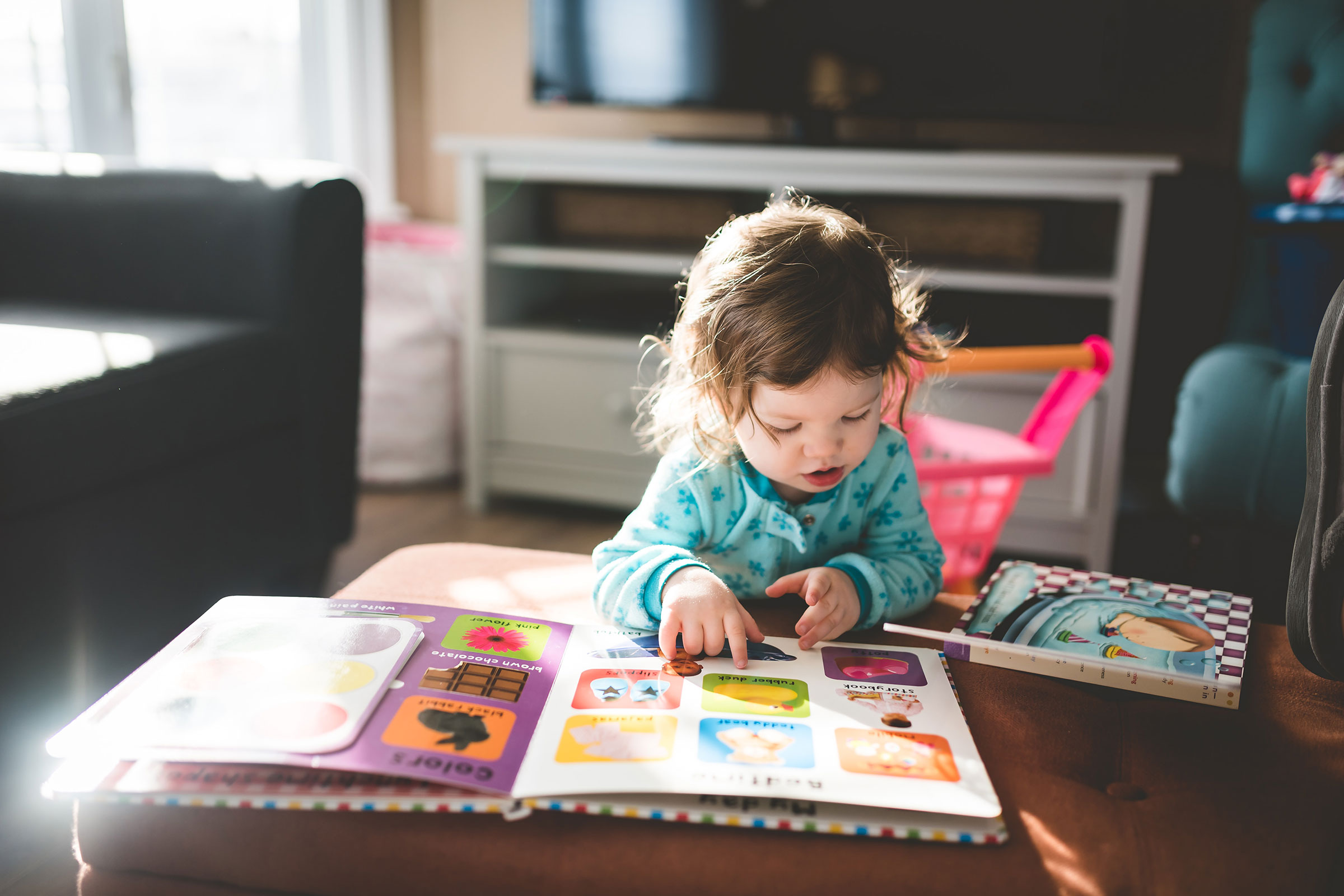
The Role of Fantasy in Children’s Development
Fantasy stories have long captivated the imagination of children, providing them not only with entertainment but with vital developmental tools. These stories transcend the ordinary, introducing young minds to extraordinary worlds where imagination reigns supreme.
1. Encouraging Creativity and Flexibility
Fantasy literature is pivotal in promoting creativity among children. These stories often feature worlds and scenarios that defy the constraints of reality, compelling children to stretch their creative muscles. By envisioning alternative realities, children learn to think beyond the conventional, fostering a mindset of innovation. Research indicates that engaging with fantasy literature can enhance cognitive flexibility, an ability crucial in adapting to the ever-evolving demands of the modern world. Books such as “The Very Hungry Caterpillar,” designed for the 2-5 age group, exemplify how fantasy elements can spark creativity and provide cognitive stimulation even for the youngest readers.
2. Building Emotional Skills and Resilience
Beyond imagination, fantasy literature offers a safe realm for emotional exploration. Through characters who experience joy, fear, and triumph, children can engage with complex emotions without risk. When characters in stories like “Cinderella” overcome adversity, children learn invaluable lessons about resilience and empathy. These narratives provide a framework within which children can safely confront their fears and learn the importance of perseverance. As they witness the triumphs and trials of their favorite characters, children develop the tools to handle their own emotional landscapes.
3. Promoting Problem-Solving Abilities
Fantasy provides a platform for modeling and practicing problem-solving. Characters often encounter obstacles that require innovative solutions. This invites young readers to engage in critical thinking, as they ponder possible outcomes and strategies. For middle-grade readers exploring texts like “Harry Potter and the Sorcerer’s Stone,” these stories introduce complex problems that encourage analytical thinking and inspire children to apply similar strategies in real-life situations.
Morality and Social Issues in Kids’ Stories
While children’s literature fascinates with its magical elements, its ability to subtly weave in profound moral questions makes it a potent educational tool. Today’s stories balance delightful narratives with discussions on ethics and societal values.
1. Understanding Ethics Through Narrative
One of the core functions of children’s literature is to guide young readers in distinguishing right from wrong. Books often depict characters grappling with moral challenges, providing a narrative framework for exploring ethical dilemmas. Through stories, children learn the implications of actions, fostering an internalized moral compass. They witness firsthand the consequences of deceit and the rewards of honesty, paving the way for responsible decision-making in their own lives.
2. Introducing Societal Themes
Children’s stories are increasingly engaging with pressing social issues such as diversity, inclusion, and environmental care. These narratives elevate the storytelling experience, nurturing a socially aware and empathetic generation. Young adult fiction like “The Fault in Our Stars,” catering to 12-18-year-olds, tackles complex themes such as illness and mortality, prompting teenagers to explore deeply personal and societal challenges. By addressing real-world issues within compelling narratives, literature prepares young minds to engage critically with the world.
3. The Empathy Connection
Through literature, children learn to see the world through different eyes. Characters from diverse backgrounds or facing unique challenges serve as windows into different lives. This perspective-taking fosters empathy—a crucial skill in a globally interconnected society. By stepping into a character’s world, children can cultivate compassion, leading to meaningful relationships and a supportive community ethos.
Transformative Trends in Children’s Literature
Children’s literature is constantly evolving, adapting to the cultural and technological shifts of the times. The integration of diverse narratives and new media forms reflects this ongoing transformation.
1. Adapting Classic Narratives
Classic tales have long been a fixture of children’s literature. However, modern sensibilities demand adaptations that align with contemporary values. For example, fairy tales, once centered on passive protagonists, now feature empowered characters who challenge traditional roles. This evolution in storytelling reflects broader cultural shifts towards gender equality and inclusivity, making timeless stories relevant for today’s young readers.
2. Embracing Diversity in Storytelling
Today’s literature strives to represent a broader spectrum of experiences and identities. This inclusivity enriches the narrative landscape, offering children stories where they can both see themselves and understand others. This shift fosters a sense of belonging and promotes social understanding, essential for the development of empathetic and informed individuals.
3. Blending Literature with Interactive Media
The digital world offers unparalleled opportunities to engage young readers with literature. Interactive storytelling, where children can influence the plot, keeps them engaged and encourages active learning. With the advent of personalized and interactive books, literature becomes a dynamic, engaging experience that meets children in their digital comfort zones.
The Impact of Literature Across Age Groups
Understanding the impact of literature on children across different age groups is crucial for fostering development and engagement at each stage.
1. Early Childhood: Picture Books
In early childhood, literature serves as an introduction to the world. Picture books, with their vibrant illustrations and simple narratives, play a significant role in language development and conceptual understanding. Titles like “The Very Hungry Caterpillar” demonstrate how literature can engage young minds, teaching them about the natural world and basic life concepts.
2. Emerging Readers: First Tales and Fairy Tales
In the early years of reading, fairy tales offer enchanting introductions to storytelling. They provide moral frameworks and introduce the conventions of narrative, helping children make sense of complex ideas in an accessible way.
3. Developing Readers: Middle-Grade Novels
Middle-grade novels present more complex plots and character development, encouraging children to explore intricate emotional and moral dilemmas. Through stories like “Harry Potter and the Sorcerer’s Stone,” readers develop deeper cognitive skills and emotional understanding.
4. Adolescents: Young Adult Fiction
Young adult novels tackle sophisticated themes and challenge teens to think critically about their identities and the world. These narratives provide a space for exploring issues of self-discovery, relationships, and ethical decision-making, preparing young adults for the complexities of adulthood.
By nurturing creativity, empathy, and a keen moral awareness, children’s literature remains an invaluable component of personal and social development. Its diverse narratives and innovative platforms promise a future where every child can find stories that resonate with their experiences and broaden their understanding of the world.
Q&A
-
What distinguishes picture books from other types of children’s literature?
Picture books are unique in that they combine visual art with storytelling to engage young readers. Typically targeted at children aged 0-5, these books rely heavily on illustrations to convey the narrative, often using simple language and themes. The art in picture books is not merely decorative but an integral part of the storytelling process, helping to develop children’s visual literacy and imagination. -
How do fairy tales differ from fables, and what role do they play in children’s literature?
Fairy tales are often characterized by magical elements and fantastical creatures, such as fairies, witches, and talking animals. They originate from oral traditions and are designed to entertain while often imparting lessons about human nature and society. Fables, on the other hand, are short stories that typically feature animals as characters and directly convey a moral lesson. Both genres play a crucial role in children’s literature by stimulating imagination and teaching ethical values. -
What are the typical themes explored in middle-grade novels, and why are they significant for young readers?
Middle-grade novels, aimed at children aged 8-12, often explore themes such as friendship, family dynamics, self-discovery, and adventure. These themes are significant as they resonate with the developmental stage of the readers, who are beginning to understand more complex emotions and social relationships. Such novels help young readers develop empathy and a deeper understanding of themselves and the world around them. -
How does young adult fiction cater to its audience, and what are some common characteristics of this genre?
Young adult fiction, targeted at teenagers aged 13-18, addresses the challenges and experiences specific to adolescence, such as identity, love, and personal growth. Common characteristics include more mature themes, complex characters, and narratives that reflect the diverse experiences of young adults. This genre often provides a safe space for teens to explore difficult topics and see themselves represented in literature.