Why a tiny budget can be your superpower
Money limits, freedom expands
Traveling alone with very little cash sounds stressful at first: no backup, no shared costs, a lot of uncertainty. Yet once the journey starts, many people notice that being on your own actually makes it easier to spend less. Every decision goes through one filter only: you. No pressure to join expensive group dinners, upgrade the room “for the vibe,” or squeeze in pricey attractions someone else really wants.
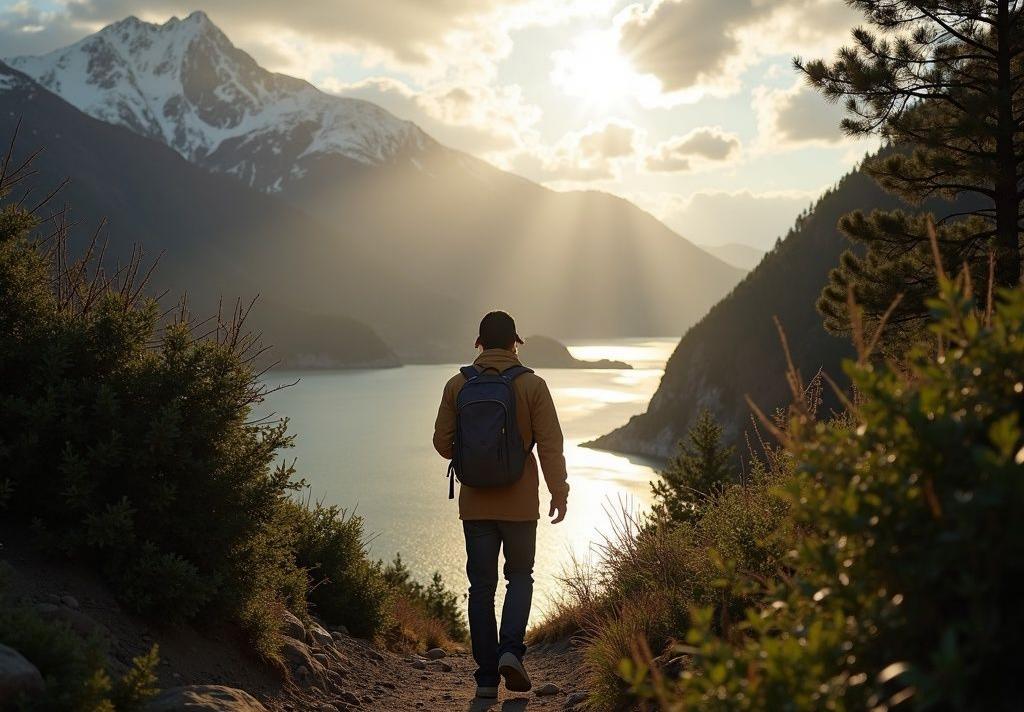
With just your own rhythm to consider, days can follow your wallet instead of a checklist. You can walk farther to skip short rides, choose free viewpoints over ticketed ones, and spend hours in parks or markets without worrying that a companion is bored. A small budget gently forces you to ask what you truly care about: one special meal, a train to the next city, or a simple bed that helps you sleep well.
A different way to measure “value”
Tight finances also change how “value for money” feels. Instead of thinking in terms of luxury, you start thinking in terms of memory and meaning. A sunset watched from some anonymous bridge, a chat with an elderly shopkeeper, or a quiet bus ride through suburbs can become more vivid than an overpriced attraction.
Of course, limited funds bring anxiety too: fear of running out, dread of surprise bills, tension every time you open a banking app. Planning helps, but so does being kind to yourself. Rather than aiming for an extreme “no-spend” challenge, it’s healthier to treat the trip as a negotiation with yourself: cut costs where you can, but keep a few small comforts that make you feel safe and human.
Planning when your wallet is very real
Setting a number you can actually live with
Before searching flights or cool neighborhoods, the first step is painfully simple: decide how much money you can use without wrecking life back home. From that total, split things into a few rough buckets: transport to and between places, beds, food, local transport, and a small emergency cushion. That cushion is not just for disasters; it also covers surprise joys, like a local festival ticket or a memorable meal.
Then work backwards. If you have a certain amount and hope to be away ten days, what does that mean per day? If that number looks unrealistically low, shorten the trip or choose cheaper regions instead of trying to “hack” reality. Being honest with yourself at this stage feels less glamorous than hunting deals, but it’s the difference between relaxed wandering and counting every coin in panic later.
Cutting the big costs: beds, rides, and meals
Choosing rides that don’t drain you
Transport is usually one of the biggest expenses, especially for the leg from home to your first stop. Flexibility helps: shifting your departure by a day, or arriving in a nearby hub then taking a bus, can lower costs without ruining the experience. Once you arrive, default to walking whenever it feels safe and reasonable. Your feet are free, and they reveal side streets and corners no taxi ever will.
For longer distances, buses, regular trains, and shared shuttles often undercut fast services or solo taxis. Planning routes as a forward‑moving loop instead of constant back‑tracking avoids paying twice for similar journeys. A lightweight bag makes these options much easier to use; it is simpler to keep your place on a crowded bus when you are not wrestling with an oversized suitcase.
Eating well without emptying your pockets
Food is a hidden money sink because it shows up many times a day. A simple strategy is to treat restaurants as occasional treats, not default. Supermarkets, bakeries, and street stalls usually offer filling, local options for less. Light breakfasts and lunches—fruit, bread, yogurt, simple snacks—leave room in your budget for one relaxed sit‑down meal when you really want it.
Carrying a refillable bottle saves a surprising amount over time, especially in hot climates or big cities. Snacks and drinks bought “because they’re right there” add up quickly. Instead, plan your small indulgences: maybe a dessert at a place that smells amazing, or a coffee in a café whose window view you love. Conscious treats feel richer than constant impulse buys.
| Daily spending choice | Lower‑cost habit | Slightly pricier habit | When to choose which |
|---|---|---|---|
| Main meals | Markets, street food, self‑cooked dishes | Frequent restaurant visits | Save most days; splurge on special evenings |
| Local transport | Walking, bikes, buses, shared vans | Taxis and private transfers | Walk by day; pay up for late‑night safety |
| Activities | Free parks, viewpoints, self‑guided walks | Structured tours and paid attractions | Mix in a few paid experiences you care about |
Using habits like these turns “I can’t afford to travel” into “I can travel, just differently.”
Packing light so your back and budget can breathe
Less weight, more options
What you carry shapes how you move and how much you spend. A smaller, lighter bag often means no checked‑luggage fees, less temptation to call taxis, and fewer worries about leaving things behind. When everything important fits into one manageable pack, it is easier to take stairs instead of elevators, walk from station to hostel, or hop on cramped minibuses.
Clothes are the easiest place to cut bulk. Choose a small set that layers well, dries fast, and matches in many combinations. Nobody you meet in one city will care that you wore the same shirt last week somewhere else. A single pair of comfortable walking shoes and simple sandals often beats three pairs of “just in case” footwear.
Items that truly earn their place
The most useful items usually have more than one job. A light scarf can act as warmth, sun cover, or makeshift pillow. A compact rain jacket works for wind protection as well. Toiletries shrink quickly when you focus on essentials and refill small containers along the way instead of packing full‑size bottles. A modest first‑aid kit—plasters, painkillers, any personal medication—is enough for many trips.
On the tech side, one phone, one charging cable, one adapter, and a small power bank already tick most boxes: maps, language tools, camera, and entertainment. Extra gadgets add weight and charging headaches. A simple packing system—pouches for clothes, electronics, and documents—keeps everything findable. Less rummaging means fewer lost items and calmer mornings.
Staying safe, steady, and kind to yourself
Practical safety that does not cost a fortune
Safety on the road is partly about money (paying for a safer room or ride) and partly about habits. Splitting cash and cards across different hiding places reduces the impact of a lost wallet. Keeping copies of important documents in your email or cloud account, and key addresses written on paper, helps if your phone dies.
Listening to your instincts is free and powerful. If a street feels wrong at night, change course. If a deal feels too good, pause. Spending a little extra on a reputable taxi, organized transfer, or better‑reviewed lodging can prevent situations that would cost you far more in stress. Think of safety costs as part of the “fixed” budget, not optional extras.
Handling loneliness and awkward moments
Even in beautiful places, traveling alone can feel raw at times. A quiet bed in a loud city, a long bus ride with no one to talk to, a meal eaten facing an empty chair—these moments can sting. They do not mean you are failing; they mean you are human. Gentle routines help: a message home each night, a few lines scribbled in a notebook, a short walk whenever your thoughts spiral.
Awkward situations—wrong train, mispronounced words, confused directions—are unavoidable. Trying to see them as future stories rather than disasters changes the mood. Most people you meet will be kind or at least neutral, especially if you stay polite and clear about your boundaries. Each time you solve a small problem alone, confidence grows a little.
Q&A
-
What should a travel guide for first-time travelers always include to reduce anxiety and confusion?
A solid first-time travel guide should cover entry requirements, airport arrival steps, basic local etiquette, money tips, SIM/ESIM options, essential apps, safety basics, and a simple 24–48 hour starter itinerary. -
How is an ultimate travel guide for Japan different from a regular city travel guide with itinerary?
An ultimate Japan guide connects cities with rail passes, explains cultural norms like onsen rules, shows seasonal route choices, and helps you combine multiple city itineraries into one efficient national trip. -
How can students use budget travel tips to turn a city travel guide with itinerary into a low-cost trip?
Students can follow the same city itinerary but swap paid attractions for free ones, use hostel kitchens, walk or use day transit passes, travel off‑peak, and rely on student discounts and city tourism cards. -
What are practical strategies for how to travel on a low budget without sacrificing too much comfort?
Travel slower, prioritize clean budget stays near transit, eat one restaurant meal a day plus supermarket food, prebook big expenses, use overnight transport where safe, and focus on fewer destinations for longer. -
What makes a destination qualify as a cheap travel destination in 2026 for students and budget travelers?
In 2026, cheap destinations will likely combine favorable exchange rates, strong hostel networks, low local transport fares, affordable street food, free or low-cost attractions, and stable, safe conditions for visitors.