Starting Your First Trip Without Spinning Out
Letting nerves be information, not a verdict
Feeling torn between excitement and dread before heading off alone is not a sign that you’re “not cut out” for it. It just means your brain is doing risk checks while your heart is chasing freedom. Instead of trying to crush fear, treat it like data: it’s pointing to what you care about most — staying safe, not getting totally lost, and not feeling painfully awkward every second. That mindset shift turns anxiety from an enemy into a planning tool.
Choosing a gentle first destination
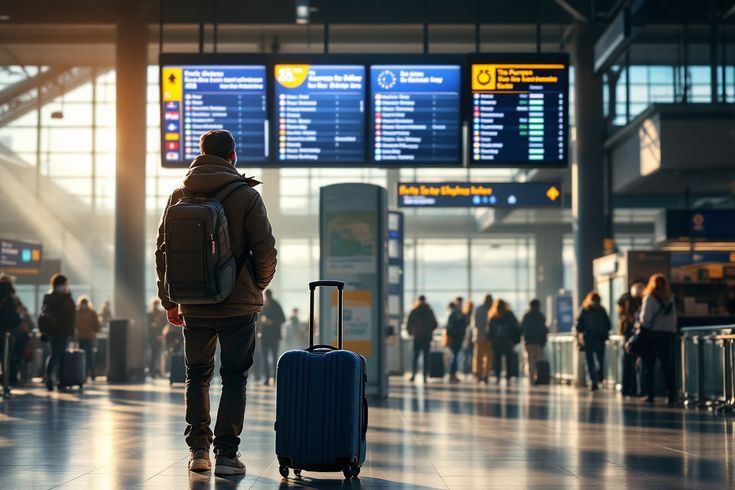
For a first solo journey, it helps to pick a place that already plays nicely with people traveling alone, especially women. Look for somewhere known for calm streets, low hassle, and locals who are used to seeing individuals wandering around with daypacks and maps. In such places you’re less likely to feel like a strange outsider and more able to walk, observe, and chat without staying on high alert. Some regions even require licensed guides for certain routes or areas, which can feel limiting at first but actually provide a built‑in safety net.
Making alone time feel less intimidating
If eating alone at a restaurant or going to the cinema solo still feels like a big step at home, being alone in a new country can sound terrifying. On the road, though, quiet stretches become breathing spaces: moments to notice how people shop, greet, pray, or unwind after work. The key is to give yourself soft landings — simple plans on day one, a familiar style of accommodation, and low‑pressure activities. As your surroundings start to feel understandable, “being alone” slowly shifts from uncomfortable to surprisingly peaceful.
Safety Habits That Don’t Kill the Joy
Turning vague fear into concrete habits
Most first‑time solo travelers worry more about danger than about views. Instead of trying to be “fearless,” aim to be prepared. Save emergency numbers, your host’s contact details, and your accommodation address both on your phone and on paper. Get a local SIM or eSIM quickly so you can call for help or check directions even if the café Wi‑Fi fails. These simple steps mean that when something small goes wrong, it stays small instead of becoming a full‑blown crisis in your head.
Reading situations and trusting your exit options
You don’t have to be able to explain every bad feeling to take it seriously. If a driver suggests an unexpected detour, a stranger pushes too hard to “guide” you somewhere, or a bar feels off the second you walk in, you are allowed to leave without debate. Choose well‑lit, busy areas at night, sit where you can see exits on buses, and avoid remote walks alone until you understand local conditions better. The goal is not to avoid all risk, but to keep it at a level where you can still relax and enjoy yourself.
Little tools that add a lot of calm
A few tiny items can boost your sense of security without turning your bag into a survival kit. A basic door wedge for flimsy locks, a small torch or headlamp for dark paths, and a whistle on your keyring are light but effective. Offline maps mean you can navigate even when reception disappears. None of these guarantee anything, but together they create layers of backup that free your mind to focus on conversations, scenery, and food instead of worst‑case scenarios.
| Situation on the road | Helpful habit or tool | Why it helps your peace of mind |
|---|---|---|
| Arriving late in an unknown area | Pre‑booked stay and address saved offline | Reduces wandering and awkward, stressed decision‑making |
| Using public transport | Seat where exits and driver are visible | Easier to ask questions and react to sudden changes |
| Staying in budget guesthouses | Door wedge or portable alarm | Adds a simple barrier in less robust rooms |
| Walking after dark | Well‑lit routes, basic torch, shared location | Keeps navigation simple and others aware of your plans |
Packing Light So Your Mind Feels Light Too
Choosing what you’ll actually use
Overpacking is usually about fear: fear of cold, boredom, bad hair days, weird food. A more helpful test is, “Will I definitely use this more than once a week?” Clothes that mix and match, dry quickly, and suit both buses and modest sites give you flexibility with fewer pieces. Two pairs of shoes — sturdy walkers and lighter slip‑ons — are enough for most beginners. Toiletries in small containers, a simple first‑aid pouch, and multipurpose items like a scarf or sarong keep weight down while covering real needs.
Building a simple, flexible carry setup
Think in layers: one small suitcase or backpack for everything, plus a light daypack for daily use. The daypack holds water, jacket, snacks, documents, and anything you’d hate to lose. Electronics should pass the “will this change my experience?” test. A phone with offline maps, a universal adapter, and a power bank cover the basics. Extra cameras, tablets, or bulky laptops only make sense if you truly use them often instead of just liking the idea of them.
| Item type | Keep as a core item | Often optional for beginners |
|---|---|---|
| Clothing | Neutral, modest layers + comfortable shoes | Multiple “special occasion” outfits or extra shoes |
| Electronics | Phone, adapter, power bank, offline maps | Spare gadgets that duplicate the same functions |
| Health items | Basic pain, stomach, and allergy remedies | Large pharmacy kits “for every possible emergency” |
| Extras | Lightweight scarf, reusable water bottle | Heavy books, full‑size toiletries, bulky souvenirs |
How light packing deepens your experience
When your bag is small enough to carry up stairs in one go, everything about moving becomes easier: hopping onto a bus, changing plans, grabbing a last‑minute taxi, or wandering down a side street. You’re less dependent on strangers to help lift your belongings and more able to follow your curiosity. Instead of constantly checking you haven’t left anything behind, your attention can rest on back‑street bakeries, snippets of overheard conversation, or the way kids play in public squares.
Stepping Into Everyday Culture Without Being a Pretend Local
Dressing and behaving with quiet respect
You don’t need local clothes to show respect, but you can notice patterns: covered shoulders, longer hemlines, muted colours, shoes off in certain spaces. Adapting slightly helps you draw less attention in sensitive places and signals that you’re paying attention to local norms. In religious or ceremonial areas, ask before taking photos, avoid stepping into the middle of rituals, and keep your voice low. These small choices often lead to warmer responses and invitations you’d never get if you barged in with a camera first.
Swapping checklists for small routines
Guidebooks, blogs, and listicles are useful for ideas, but they don’t have to run your day. Try returning to the same café two mornings in a row, buying fruit from the same stall, or taking an evening stroll along a popular local route. The second or third time you show up, faces become familiar. Someone may remember your drink, recommend a snack, or ask if you slept well. Those tiny, repeated interactions give a far richer sense of place than racing through every famous viewpoint.
Growing Confidence One Small Win at a Time
Noticing the tiny victories
Solo travel confidence rarely arrives in a dramatic movie moment. It looks like finding the right bus after asking three people, ordering dinner even when you’re shy, or deciding to change accommodation because something feels off. Keep mental track of those moments. The next time you face a confusing station, a language barrier, or a sudden change of plans, you’ll remember that you’ve already handled similar things before, even if it wasn’t elegant.
Creating anchors so each place feels less overwhelming
Simple rituals make constant movement less draining. A short morning walk around the block, a regular spot to buy water, or a nightly journal note about one small detail you noticed can calm your nervous system. These habits are portable; you can recreate them in many cities or towns. Over time, unfamiliar streets feel less like mazes and more like temporary neighbourhoods you know how to navigate.
Q&A
-
What are the most important solo travel tips for beginners to feel confident on their first trip?
Start with a destination that’s easy to navigate, book the first few nights in advance, share your itinerary with someone you trust, and plan flexible days so you’re not overwhelmed but still have structure. -
Is solo travel safe for first-time travelers, and how can they reduce risks?
Solo travel can be safe if you research neighborhoods, avoid showing valuables, use reputable transport and accommodation, trust your instincts, and keep digital copies of documents and emergency contacts accessible. -
What should a basic solo travel packing checklist always include?
Besides clothes, pack a money belt or hidden pouch, universal adapter, small first-aid kit, photocopies of documents, offline maps, portable charger, and a lightweight daypack for daily outings. -
What cultural experiences should first-time travelers prioritize when going abroad?
Join a local food tour, attend a neighborhood market, use public transport at least once, watch a local performance or sports event, and visit smaller community-run museums or cultural centers beyond major sights. -
How can solo travelers immerse themselves in local culture and find authentic experiences?
Stay in locally owned guesthouses, join group classes or workshops, eat where locals eat, learn a few key phrases, avoid only tourist hotspots, and say yes to low-key invitations like family-style meals or community events.