
The landscape of personal and commercial transportation is being revolutionized by advances in digital integration, machine intelligence, and environmental awareness. As technology accelerates, the challenge remains to balance innovation with resilience, ensuring that new developments offer broader societal benefits while being seamlessly woven into daily life.
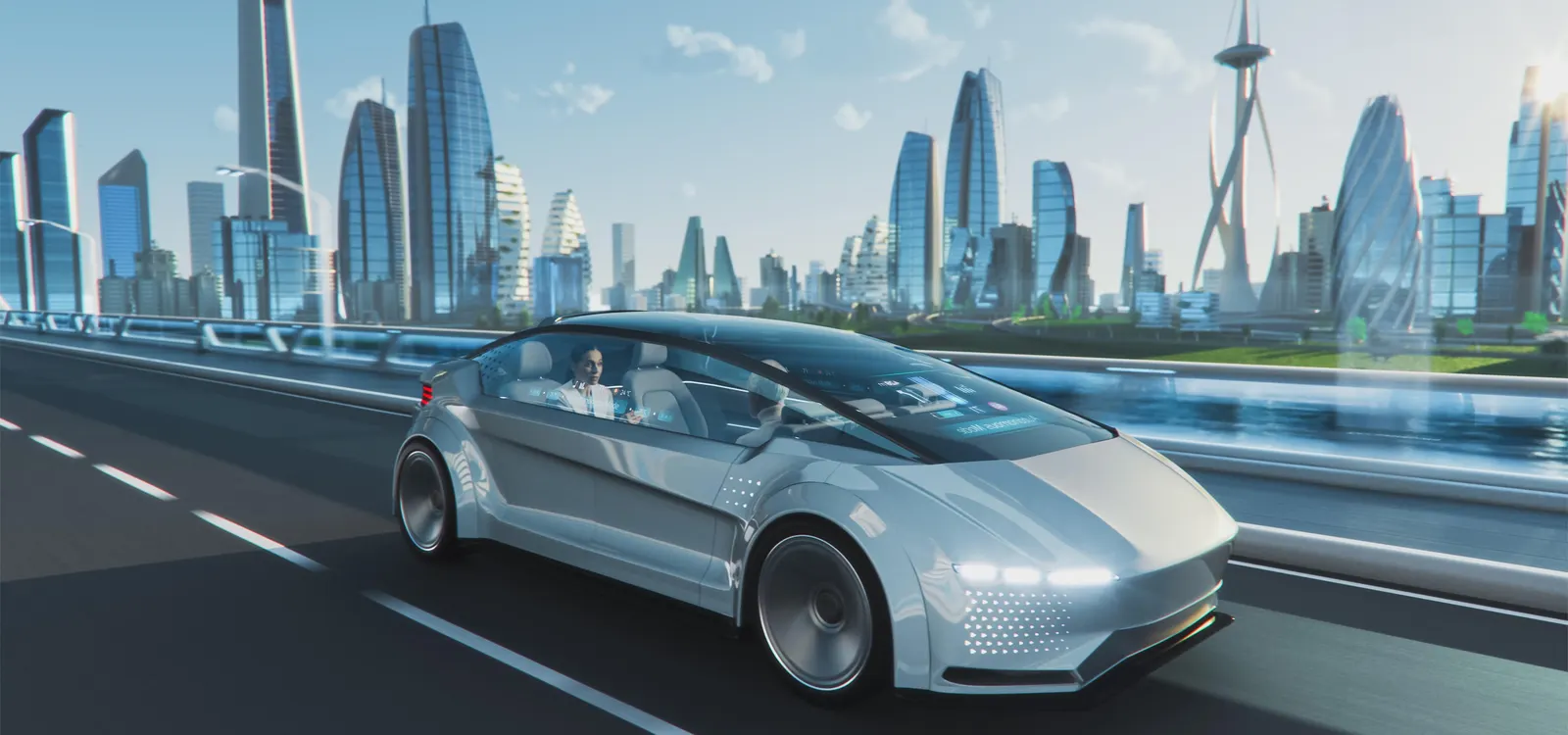
Understanding the Building Blocks: Transformative Technologies in Navigation
The current transformation in vehicle technology is heavily reliant on a few critical advancements. At the forefront are methods that allow for richer perception and intelligent decision-making. By focusing on these core technologies, we can understand the trajectory of today’s transportation evolution.
The Role of LiDAR: Precision and Perception
One of the standout technologies in the realm of autonomous navigation is LiDAR, which stands for Light Detection and Ranging. This system is vital for enabling vehicles to “see” their environment in three dimensions. LiDAR operates by emitting lasers and timing their return as they bounce off surrounding objects. This produces a precise map detailing the vehicle’s immediate vicinity.
- Obstacle Detection and Mapping: Essential for avoiding collisions, LiDAR is extraordinarily effective at identifying potential hazards. It excels at spotting pedestrians and other vehicles, even in poor visibility conditions.
- Environmental Awareness: Since LiDAR provides a continuous, real-time update of its surroundings, it allows vehicles to adapt dynamically to changes, ensuring a high level of situational awareness and safety.
Artificial Intelligence: Enhancing Decision-Making
Coupled with LiDAR, artificial intelligence (AI) lifts the burden of real-time data processing from humans, allowing for rapid decision-making and enhanced safety protocols. AI processes vast datasets generated by sensors, contributing significantly to a vehicle’s ability to navigate effectively.
- Classification and Forecasting: AI systems categorize objects detected by LiDAR, such as vehicles or pedestrians, ensuring appropriate responses. Advanced algorithms even predict future movements based on current trajectories.
- Data Fusion: By integrating inputs from multiple sensory systems, including cameras and radars along with LiDAR, AI creates a holistic environmental view. This comprehensive sensory fusion allows for more precise navigation.
- Automated Adaptation: AI-powered vehicles can smoothly alter routes and speeds based on real-time analysis, optimizing for safety and efficiency while seamlessly adjusting to varying conditions.
The Safety Puzzle: Innovations in Control and Maintenance
The successful deployment of autonomous vehicles hinges significantly on their safety features and reliability—two aspects being constantly refined through motion control systems and predictive maintenance.
Advanced Motion Control Systems
Safety is a non-negotiable feature for any automotive innovation. Vehicles’ control systems are being revolutionized to enhance safe navigation through various traffic environments.
- Sensor Collaboration: Utilizing sensor fusion from cameras, radars, and LiDAR, modern control systems interpret complex scenarios, ensuring safe maneuvering in cities and highways alike.
- AI Integration for Real-Time Adjustments: AI models anticipate other road users’ movements, facilitating the safe operation of autonomous vehicles in busy environments. This is done by learning traffic patterns and making real-time predictive adjustments.
- Swarm Technology: This innovative approach allows multiple autonomous vehicles to operate cohesively, dramatically reducing collision risks and optimizing traffic flow.
Predictive Maintenance: Reliability Boosters
Proactive solutions are increasingly being integrated to maintain optimal vehicle operations. These systems utilize vast amounts of data to forecast maintenance needs, addressing potential failures before they disrupt operation.
- Continuous Monitoring: Key indicators like tire pressure and engine health are perpetually assessed, ensuring timely maintenance actions and minimizing the risk of breakdowns.
- AI Diagnostics: Advanced analytics offer deep insights into vehicle conditions, helping in the preemptive detection and correction of technical glitches, which extends the vehicle’s operational life.
- Sustainable Operations: Preventing sudden failures and allowing timely repairs improve sustainability by extending component longevity and reducing resource wastage.
Intelligent Transportation Systems and V2X Communication
The promise of autonomous vehicles is further enriched by Intelligent Transportation Systems (ITS) that facilitate communication between vehicles and their environments.
- Real-Time Response: ITS delivers live data-related updates on road conditions and traffic congestion, enhancing decision-making for vehicles.
- Risk Information Sharing: Vehicle-to-everything (V2X) communications ensure that potential hazards on the road are known across networks, reducing accident likelihood.
- Traffic Flow Optimization: With improved coordination among transport units, urban mobility becomes more efficient, cutting down on travel times and fuel consumption.
Collaborative Intelligence: The Future Landscape of Transportation
The ethos of modern transportation embraces not just lone vehicles but interconnected systems, each contributing to and benefiting from a network of shared intelligence, highlighted by autonomous agents acting in concert.
Multi-Agent Systems: An Overview
Multi-agent systems transform individual autonomous vehicles into dynamic units that collaborate with each other, offering a suite of new possibilities in traffic management and accident prevention.
- Integrated Communication: Independent agents such as cars, infrastructure signals, and pedestrian devices work in unison to share critical data about traffic and potential dangers.
- Informed Driving Decisions: Real-time data-sharing ensures that vehicles respond collectively to changing scenarios, greatly enhancing road safety and traffic fluidity.
Revolutionizing Transportation with Multi-Agent Systems
This systemic collaboration yields benefits that extend from the individual to wider society, reflecting a collective intelligence model where each unit is informed by the others.
- Traffic Congestion Alleviation: Coordinated actions allow vehicles to adaptively find optimal routes, thinning traffic congestion and reducing fuel consumption.
- Enhanced Safety Protocols: Shared information means better prediction of road conditions, which directly elevates safety levels by alerting vehicles in advance.
- Sustainability Goals: Through fewer idling traffic spots and smoother routes, emissions decrease, aligning with growing environmental consciousness.
Addressing Collaborative Security Concerns
While the synergy between connected entities promises progress, it introduces unique security intricacies, notably the “Trust-Vulnerability Paradox,” where increased interconnectivity brings new risks.
- Robust Frameworks: Building security measures into multi-agent systems ensures trust while protecting the integrity of shared data.
- Specialized Modules: Implementation of dedicated agents for data integrity and strategic decision-making fortifies system resilience without compromising collaborative benefits.
Algorithmic Decision-Making: Navigating Complex Scenarios
These systems employ rigorous rulebooks to prioritize safety above all. Safety-critical scenarios carry hierarchical precedence over less critical objectives, maintaining unwavering focus on preserving life and avoiding harm.
- Hierarchical Safety Measures: Autonomous vehicles generate safe, adaptable pathways in real-time, flesh out dynamic, layered decision processes key to autonomous operations.
- Regulatory Harmonization: Evolutionary algorithms and frameworks help align divergent jurisdictions on safety tenets, ensuring a seamless adoption of regulations across borders.
The evolution towards a truly autonomous transportation ecosystem continues, carrying within it the seeds of smarter, safer, and more sustainable urban environments. As we step further into this future, thoughtful consideration of technological, regulatory, and societal landscapes will ensure this revolution is as inclusive as it is groundbreaking.
Q&A
-
What role does Lidar technology play in autonomous vehicles?
Lidar technology is crucial for autonomous vehicles as it provides precise 3D mapping of the environment. By emitting laser beams and measuring the time it takes for them to return after bouncing off objects, Lidar helps self-driving cars detect obstacles, understand the terrain, and navigate safely. Its ability to work effectively in various lighting conditions makes it an indispensable tool for ensuring the accuracy and reliability of autonomous navigation systems.
-
What are the current safety regulations surrounding autonomous vehicles, and how do they impact their deployment?
Safety regulations for autonomous vehicles vary across regions but generally focus on ensuring the reliability of the technology and protecting public safety. These regulations may require extensive testing, data sharing, and adherence to specific standards before deployment. In some cases, they may also dictate the level of human oversight required. While these regulations can slow the rollout of self-driving cars, they are essential in building public trust and ensuring the safe integration of autonomous vehicles into existing transportation systems.
-
How might autonomous vehicles shape the future of transportation?
Autonomous vehicles have the potential to revolutionize transportation by reducing traffic congestion, lowering accident rates, and providing greater mobility options for non-drivers. They could lead to more efficient use of road space and energy, supporting environmental sustainability. Additionally, the rise of self-driving cars might spur innovations in urban planning, as cities adapt to the changing dynamics of transportation and mobility. As technology advances, autonomous vehicles could become a central component of smart cities, transforming the way people and goods are transported.