
In an ever-evolving world filled with health challenges, understanding how our body’s defenses are fortified becomes crucial. Recent research underscores the intertwining roles of nutrition, emotional well-being, and innovative therapies in maintaining a robust response to external threats, offering a pathway to strengthened overall vitality.
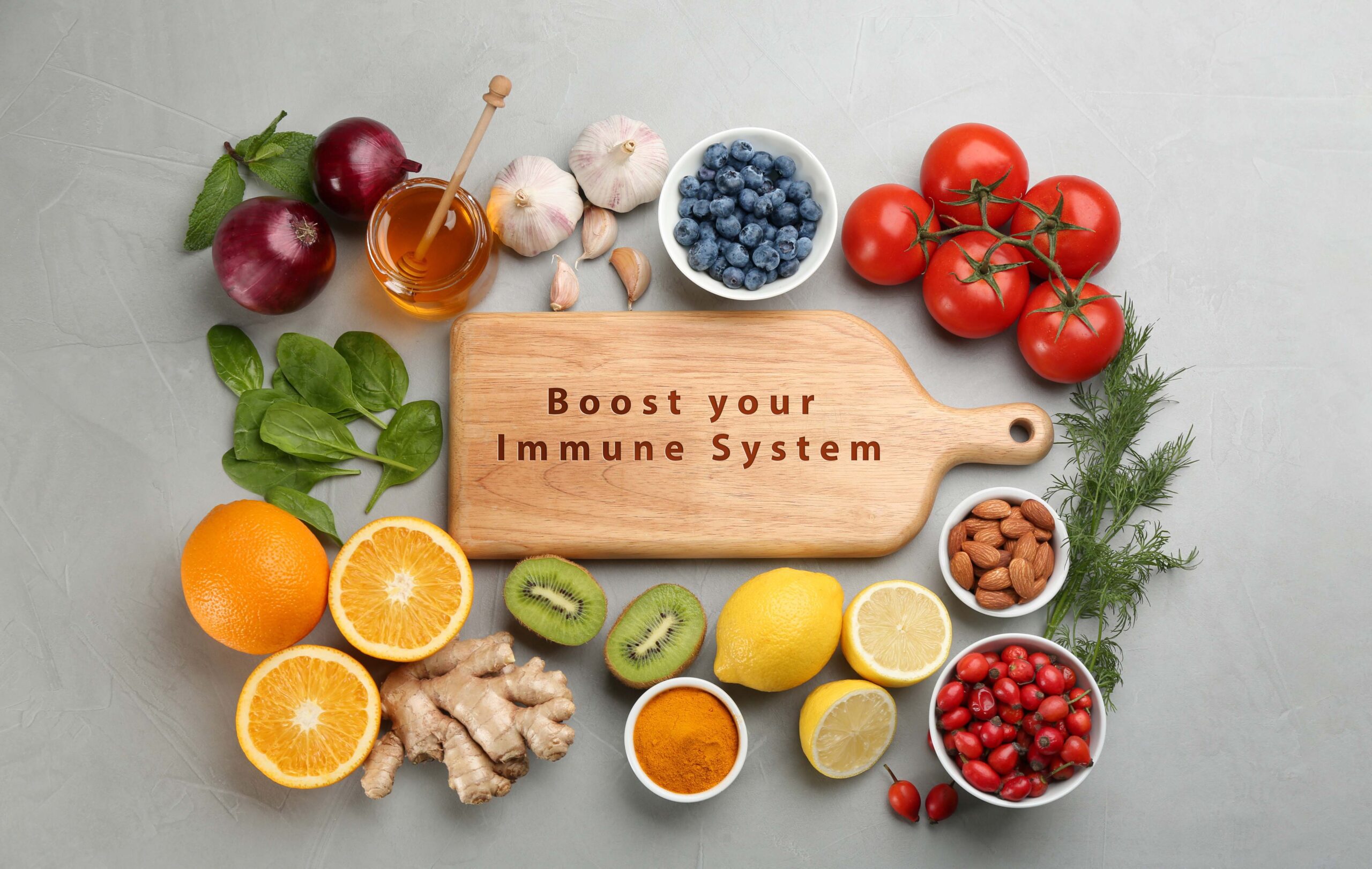
Cultivating a Resilient Immune System: The Diet Connection
Our immune defenses rely significantly on what we consume daily. Nutrients and diet patterns are foundational to maintaining our body’s ability to fend off external invaders. Understanding the diet-immunity connection is essential for optimizing immune resilience.
The Sunlight-Vitamin D-Gut Microbiome Axis
Seasonal variations often influence our health, particularly due to changes in sunlight exposure affecting vitamin D synthesis. Vitamin D, crucial for more than just bone health, plays a central role in immune regulation and gut microbiota composition.
Limited sun exposure during colder months can lead to a drop in vitamin D levels, often linked to reduced gut microbial diversity and increased inflammation. Research indicates that vitamin D supplementation can help restore beneficial bacteria and improve gut health, particularly for those with inflammatory conditions. This axis illustrates the intricate relationship between sunlight, vitamin D, and gut health, showcasing the importance of maintaining adequate vitamin D levels through sun exposure or supplements to support immune health.
Food Combinations for Enhanced Immunity
The synergy in food combinations can amplify nutrient absorption and immune function. Combining certain foods can powerfully boost nutrient uptake and provide better immune support.
Mixing spinach with lemon juice, rich in vitamin C, aids in iron absorption, vital for immune cell function. Similarly, consuming tomatoes with healthy fats enhances antioxidant absorption—important for cellular protection. The spice turmeric is more effective when paired with black pepper, which increases the bioavailability of curcumin, its active compound. Fermented foods and fiber also work together to promote a balanced gut microbiome and reinforce mucosal immunity.
Nutritional Immunity: Restricting Pathogen Access
Our body’s intrinsic defense techniques include a process known as “nutritional immunity,” which restricts pathogen access to certain nutrients.
Trace metals such as iron, zinc, and manganese are essential for both immune function and bacterial growth. During infections, the body sequesters these metals to limit bacterial proliferation. Ensuring a diet rich in these nutrients supports immune function while simultaneously thwarting pathogens’ access to them. Understanding and maintaining this delicate balance of nutrients is crucial for optimal health.
Biodiversity in Food: A Foundation for Immunity
The decline in food biodiversity is more than just environmental—it severely affects our nutritional intake, crucial for immunity. Neglected species are often nutrient-rich and contribute significantly to our vitamin and mineral intake, essential for immune support.
The rise of nutrient-poor but calorie-dense foods has weakened our dietary defenses, stressing the importance of embracing a varied diet. This diversity supports the immune system by providing a wide array of nutrients necessary for its functions.
Anti-Inflammatory Foods: Calming the Immune Response
Inflammation can be a double-edged sword, necessary for protection but harmful when chronic. Diets rich in certain whole foods can help dampen inflammation.
Foods high in antioxidants and anti-inflammatory compounds, like green leafy vegetables, nuts, seeds, and ginger, reduce biomarkers of inflammation and support a strong immune response. Even small daily inclusions of such foods can accumulate benefits over time, reinforcing a robust immune system.
Stress Management: Its Surprising Role in Immune Enhancement
Managing stress is more than just a mental health initiative; it’s deeply tied to our immunity. Chronic stress can impair the immune system, making it less effective against infections.
The Impact of Stress on Immunity
Stress, particularly chronic stress, can increase inflammation and impair immune cell function. This results in a fatigued defense mechanism against pathogens. Understanding the tangible effects of stress on the body highlights the importance of stress management for immune health.
Techniques for Stress Reduction
Several techniques can mitigate the negative influence of stress on immunity. Mindfulness, cognitive therapies, and exercise are practical tools to counteract stress’s inflammatory effects.
Mindfulness encourages a focus on the present, reducing stress hormone levels and promoting relaxation. Cognitive Behavioral Therapy (CBT) helps in identifying and shifting stress-inducing thought patterns. Regular physical activity serves as a natural stress reliever, promoting a healthier immune system by reducing inflammation and improving circulation.
The Gut-Brain-Immune Connection
A well-functioning gut is essential for emotional and immune health. Stress can disrupt the gut-brain-immune connection, leading to an imbalance in the gut microbiota and weakened immunity.
A nutrient-rich Mediterranean diet and fermented foods support gut health and balance, which in turn strengthens immune responses. These dietary approaches illustrate the importance of a balanced gut for holistic health.
Adaptogens: Nature’s Stress Busters
Adaptogens, natural substances like Ashwagandha, help the body adapt to stress and support antioxidant defenses. Incorporating adaptogens into wellness routines can stabilize immune responses, particularly during stress. They are increasingly recognized for enhancing resilience and reducing stress-induced inflammation.
Integrating Stress Management into Daily Life
Incorporating stress management techniques into daily routines fortifies long-term immunity. Finding personal stress-relief methods, be it through mindfulness, exercise, or diet, contributes extensively to immunity and overall well-being.
The Vaccine Advantage: Shielding Against Modern Health Threats
Vaccinations represent a proactive approach to health, training our immune systems for a more efficient response to potential threats, thus bolstering overall public health.
The Power of mRNA Vaccines
Recent advances, specifically mRNA vaccines, highlight significant progress in immune defense. These vaccines provide genetic instructions to produce harmless proteins for immune recognition, enhancing the body’s preparedness against evolving pathogens.
Advances in Pneumococcal Vaccines
Improvements in pneumococcal vaccines illustrate the impact of leveraging immune memory to prevent bacterial infections. Such vaccines also play a role in curbing antibiotic resistance by reducing the need for antibiotic treatments.
Protecting Immunocompromised Individuals
Vaccines are particularly beneficial for those with weakened immune systems, reducing the risk of severe illness. The importance of personalized vaccination plans is paramount to ensuring effective protection.
The Future of Vaccine Technology
Continual developments in vaccine technologies aim to enhance efficacy and accessibility. Such advances promise improved public health outcomes and circumvent logistical hurdles like storage challenges.
Addressing Gaps in Vaccination Programs
Identifying and bridging gaps in vaccination programs is essential, particularly in under-vaccinated populations. Expanding immunization efforts remains crucial for preventing disease spread and reinforcing communal health.
The Wonders of Antioxidants: Nature’s Defense Boosters
Antioxidants play a pivotal role in protecting cells from damage, emphasizing their value in maintaining strong immune defenses through a diet emphasizing antioxidative support.
What are Antioxidants and Why are They Important?
Antioxidants, molecules that neutralize free radicals, help prevent oxidative stress and inflammation, which can deplete the immune system. By targeting free radicals, antioxidants preserve cell integrity and immune function, acting as a preventative measure against potential damage.
Key Antioxidants for Immune Support
Specific antioxidants like Vitamin C, Vitamin E, and selenium are beneficial in boosting immune function. These compounds, alongside polyphenols and beta-carotene, fortify immune responses by protecting cells from oxidative damage.
Food Sources Rich in Antioxidants
Incorporating antioxidant-rich foods such as berries, nuts, leafy greens, and citrus fruits offers significant immune support. A diverse, colorful diet enhances the spectrum of antioxidants available to the body, optimizing immune readiness.
How Antioxidants Enhance Immune Function
Antioxidants support the immune system by reducing cellular damage and inflammation. This creates an optimal environment for immune responses, improving resistance against infections and promoting long-term health.
Incorporating Antioxidants into Your Daily Routine
Developing dietary habits rich in antioxidants, like including berries in breakfast or snacking on nuts, reinforces consistent intake. Such practices gradually enhance immune system efficacy through enhanced cellular protection.
Gut Health: The Unsung Hero of Immune Defense
The gut microbiome, often overlooked, is central to immune system maintenance, acting as a complex ecosystem influencing immunity.
The Gut-Immune Connection
A vast portion of immune function is integrally tied to the gut. The microbiota’s role in training immune responses underscores its importance in each person’s health defense strategy.
Seasonal Shifts and Gut Microbiota
Seasonal changes influence gut microbiota, impacting immune responses. Ensuring a stable, nutrient-rich diet helps mitigate these shifts, supporting a strong microbial environment year-round.
Gut Health and Systemic Inflammation
Imbalances in the gut lead to increased inflammation and potential immune weakening. Addressing these through diet helps prevent systemic inflammation and associated health issues.
Regulatory T Cells and Gut Interactions
T cells regulate immune responses, with gut microbiota greatly influencing their function. Maintaining gut health is vital for preventing autoimmune complications and fostering immune tolerance.
The Gut as a Metabolic and Immune Hub
The gut acts as a central hub for immune and metabolic interactions, with significant implications for conditions like inflammatory bowel disease. Understanding its role paves the way for enhancing immune and metabolic health through targeted interventions.
By integrating these dietary and lifestyle strategies, along with stress management and vaccination adherence, individuals can enhance their immunity, ensuring a robust defense against contemporary health challenges.
Q&A
-
How do vaccinations contribute to immune system health?
Vaccinations play a crucial role in strengthening the immune system by introducing a harmless part of a pathogen, which allows the body to develop immunity without causing the disease. This process helps the immune system recognize and combat future infections more effectively, thereby preventing outbreaks and reducing the burden of infectious diseases.
-
What role do antioxidants play in maintaining good health?
Antioxidants are essential in protecting the body against oxidative stress by neutralizing free radicals, which can damage cells and lead to chronic diseases. Foods rich in antioxidants, such as berries, nuts, and green leafy vegetables, support overall health and can enhance immune function by reducing inflammation and improving cell repair mechanisms.
-
How does gut health influence the immune system?
The gut is home to a vast array of microorganisms that play a significant role in regulating immune responses. A healthy gut microbiome supports the development of immune cells and the production of antibodies. Consuming a diet rich in fiber, probiotics, and prebiotics can help maintain a balanced gut flora, which in turn strengthens the immune system and reduces susceptibility to infections.
-
In what ways does stress impact immunity, and how can it be managed?
Chronic stress can suppress the immune system by increasing the production of cortisol, a hormone that can inhibit the immune response. Managing stress through techniques such as mindfulness, regular exercise, and adequate sleep can help maintain a robust immune system. Incorporating relaxation practices like yoga or meditation can also be beneficial in reducing stress levels and supporting immune health.
-
What lifestyle habits can boost immunity and prevent infections?
Adopting healthy lifestyle habits is essential for boosting immunity and preventing infections. These habits include maintaining a balanced diet rich in nutrients, staying physically active, getting sufficient sleep, and practicing good hygiene. Additionally, avoiding smoking and limiting alcohol consumption can further enhance immune function. Regular health check-ups and vaccinations are also important components of a proactive approach to infection prevention.