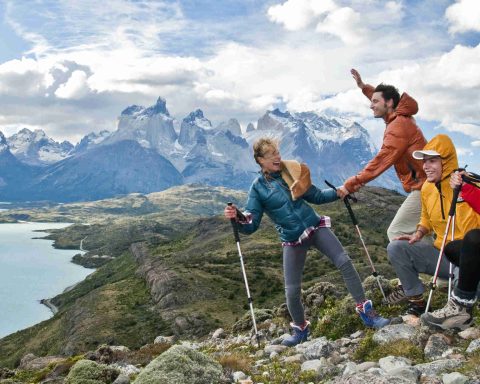
Exploring the wonders of the natural world has evolved into experiences that fuse adventure with responsibility. As parks and sanctuaries adapt to ecological challenges, travelers seek meaningful encounters that nurture respect for diverse marine and terrestrial ecosystems, transforming casual visits into profound journeys of discovery and preservation.
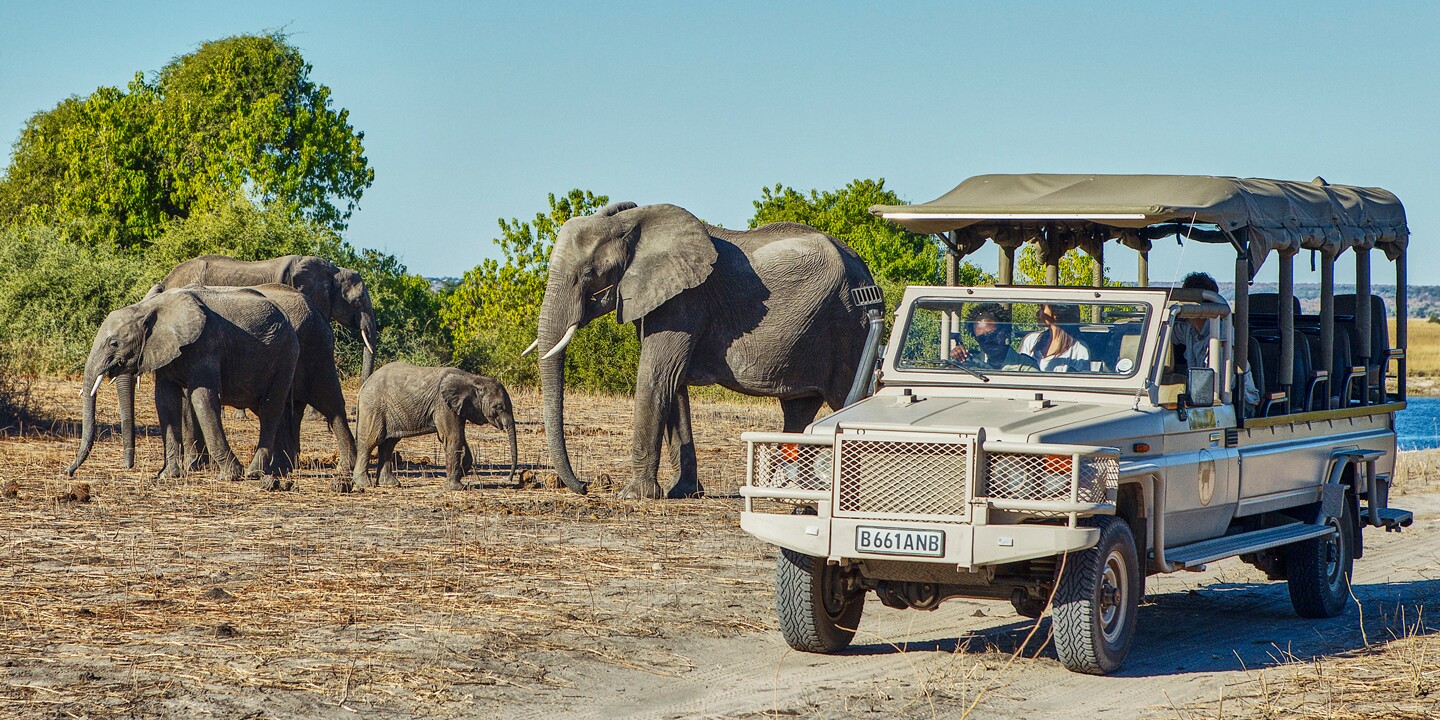
The New Evolution: Wildlife Tourism and Our Role in Conservation
The journey from a purely recreational activity to a conscious endeavor that supports conservation goals marks a significant transition in wildlife tourism. This form of tourism is increasingly integrating into conservation strategies, creating a symbiotic relationship that aims to benefit both the traveler and the planet’s diverse species.
Revamping Traditional Models in Wildlife Tourism
For decades, wildlife tourism relied heavily on entertainment value—safaris and zoo visits were designed primarily to showcase animal beauty and behaviors. Today, however, there is a shift towards more ethical interactions. This transformation is underpinned by a growing emphasis on linking tourism activities directly with conservation initiatives that support biodiversity.
Ethical tourism encompasses strategies that engage local communities, turning them into stakeholders in conservation efforts. For instance, creating advisory boards of local residents helps build strategies that reflect indigenous knowledge and socioeconomic realities, thus generating sustainable tourism models. Additionally, such collaboration often results in new economic opportunities for community members, ranging from employment in eco-lodges to guiding wildlife tours.
This shift also involves the implementation of eco-certifications ensuring that tourist activities are aligned with sustainability goals. Certified operations minimize their environmental footprint, preserve biodiversity, and educate tourists on vital conservation issues, thus aligning with broader conservation objectives.
Conservation’s Role in Combating Climate Change
The threat of climate change looms large over all ecosystems, making wildlife tourism a crucial ally in climate action. By participating in habitat restoration projects and biodiversity conservation, tourists can help mitigate climate change impacts. Initiatives may include reforestation, the restoration of wetlands, or the promotion of sustainable agricultural practices that maintain biodiversity.
Integrating conservation into tourism planning not only helps protect wildlife habitats but also supports carbon sequestration projects that reinforce climate resilience. Increased funding for such initiatives enables more extensive conservation measures, fostering both ecosystem health and visitor education.
Furthermore, fostering a culture of environmental stewardship among tourists can amplify these efforts. Educational programs emphasize the intimate connection between climate change and biodiversity loss, cultivating a generation of environmentally conscious travelers eager to support conservation initiatives.
Engaging Young Minds and Technological Advances
The future of wildlife tourism hinges on the successful engagement of youth and the incorporation of technology advances to foster deeper connections with nature.
Inspiring Youth through Conservation Education
Engaging the younger generation in wildlife conservation is crucial for long-term ecological success. Educational initiatives should capitalize on the emerging interests of today’s youth, using social media, virtual tours, and interactive workshops to communicate conservation values effectively.
Programs that encourage hands-on volunteer opportunities can create lasting impacts. Whether it’s participating in wildlife surveys or assisting in habitat restoration, the immersive experiences provided empower young individuals to become ambassadors for the environment. By nurturing a sense of responsibility and giving youth a say in conservation initiatives, we help cultivate a generation primed to safeguard our planet’s future.
Leveraging Technology for Conservation Gains
Harnessing technological innovation is revolutionizing conservation strategies. Tools like drones and camera traps enable the real-time monitoring of wildlife populations, vastly improving our ability to assess ecosystem health and identify threats swiftly. Community-driven mobile applications invite users to contribute to citizen science projects, bridging gaps by gathering large datasets critical for conservation efforts.
Space technology further complements ground-based efforts, with satellites offering a macroscopic view of ecological challenges such as deforestation and illegal poaching. The integration of these technologies supports informed decision-making, ensuring our conservation efforts are both targeted and effective.
Collaborative Pathways and Sustainable Tourism
The essence of sustainable wildlife tourism lies in partnerships—between communities, conservationists, and tourism operators. By fostering collaboration, we can ensure the enduring success of both tourism and conservation efforts.
Building Partnerships for Conservation Success
Successful wildlife tourism demands cooperation among stakeholders. Operators who work closely with conservation organizations can develop exclusive tours that prioritize animal welfare and habitat preservation, generating awareness and care among tourists. These partnerships can also aid in developing adaptive management strategies that quickly respond to environmental changes.
Eco-certification programs serve as powerful tools to encourage sustainable practices among tourism operators. Such schemes validate their commitment to ethical tourism, strengthening consumer confidence and driving demand for responsible wildlife experiences.
Balancing Economic and Conservation Goals
Striking the right balance between economic aspirations and wildlife protection is imperative. Prioritizing long-term sustainability over short-term gain ensures that both local communities and wildlife can thrive over time. This involves developing comprehensive policies and continuous monitoring efforts to safeguard
Q&A
-
What is wildlife tourism and how does it benefit local communities?
Wildlife tourism involves visiting natural habitats to observe and enjoy wildlife. It benefits local communities by creating jobs, supporting local businesses, and fostering cultural exchange. Additionally, it encourages conservation efforts by highlighting the economic value of preserving wildlife and their habitats.
-
How can safari adventures contribute to wildlife conservation?
Safari adventures can contribute to wildlife conservation by providing funding through park fees and guided tours, which are often reinvested into conservation projects. They also raise awareness about endangered species and the importance of protecting natural ecosystems, inspiring tourists to support conservation efforts.
-
What are some key practices in marine conservation to protect ocean wildlife?
Key practices in marine conservation include establishing marine protected areas, regulating fishing practices to prevent overfishing, reducing plastic pollution, and conducting research to better understand marine ecosystems. Public education and community involvement are also crucial to promoting sustainable practices and protecting ocean wildlife.
-
How can birdwatching tours promote ecological awareness?
Birdwatching tours promote ecological awareness by educating participants about the diverse bird species and their habitats. These tours often emphasize the importance of conserving ecosystems and encourage responsible behavior to minimize human impact on wildlife. Participants often gain a deeper appreciation for biodiversity and become advocates for conservation.