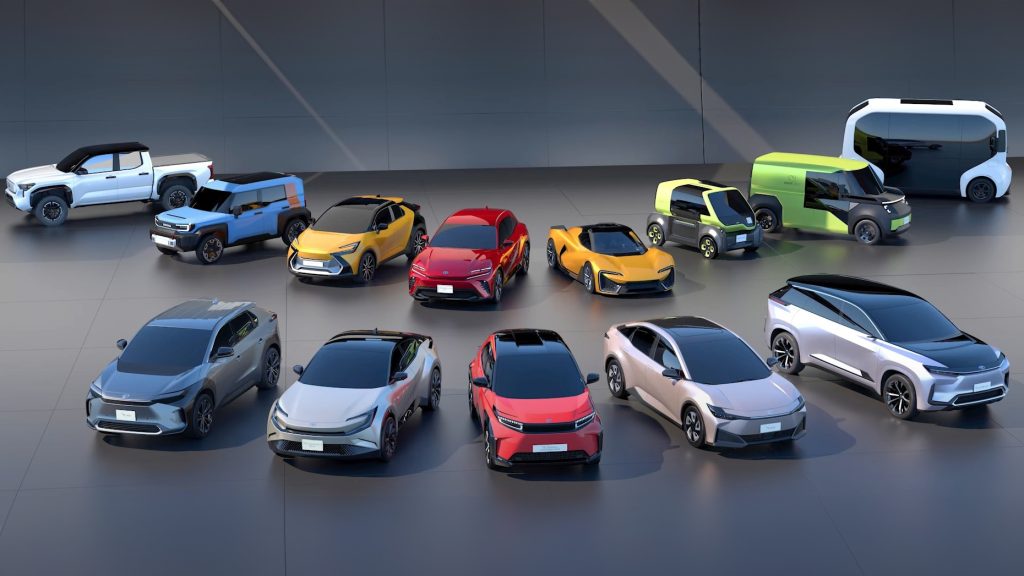
Innovation is steering the automotive landscape toward a transformative horizon. Seamless integration of technology and urban planning heralds an era where groundbreaking advancements redefine mobility. Embracing efficiency and synergy, this evolution promises to reshape the interaction between transportation and living spaces, leading to a more interconnected and eco-conscious future.
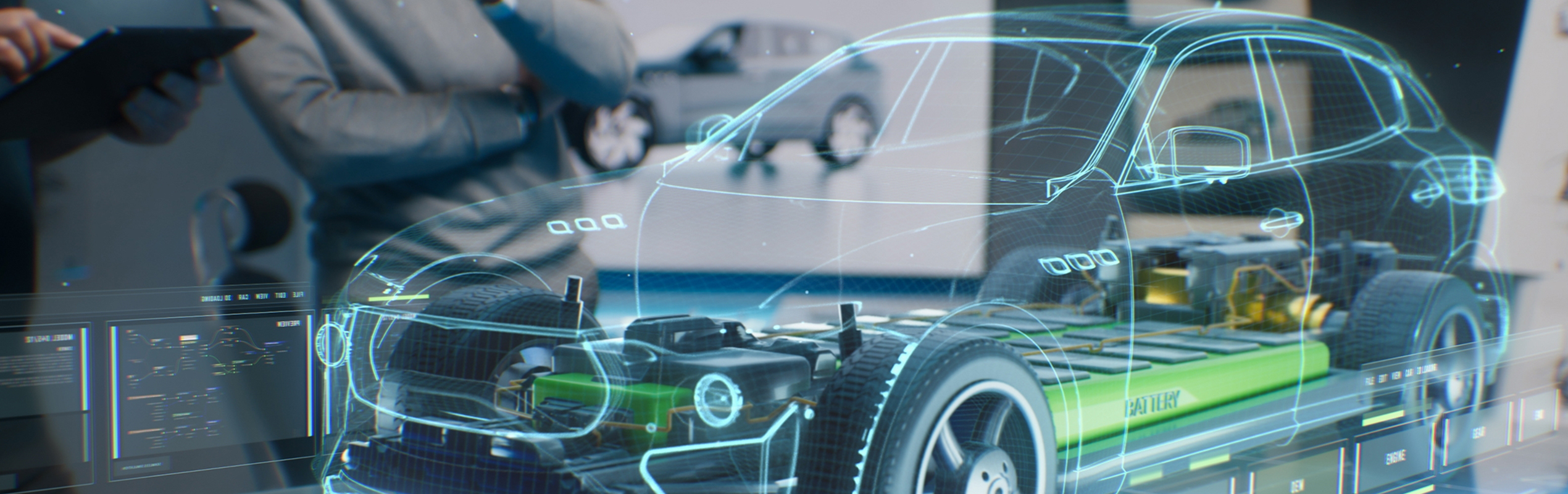
The Connectivity Revolution: Exploring the Role of New Generations in Cars
The automotive landscape is witnessing unprecedented changes as connectivity plays a pivotal role in transforming how vehicles operate and interact with the world around them. New generations of connectivity systems are setting the stage for seamless integration, increased safety, and enhanced driving experiences.
1. Real-Time Interaction with Infrastructure
The integration of advanced connectivity systems within vehicles allows for a constant and dynamic exchange of information between cars and surrounding infrastructure. These systems enable vehicles to communicate with traffic lights, road signs, and other vehicles in real-time, empowering them to respond efficiently to changing road conditions. This interconnectivity boosts overall traffic management efficiency and offers smoother, safer journeys for all.
2. Boosting Efficiency with Data
Connectivity is not just about vehicles talking to each other but about leveraging data to enhance automotive efficiency. Real-time data collection and analysis allow for optimized route planning, predictive maintenance scheduling, and reducing fuel consumption by avoiding congested areas. This data-driven approach helps in creating a more sustainable environment by reducing emissions and conserving energy.
3. Enhancing Safety through Communication
Safety is significantly enhanced with the integration of connectivity. Real-time alerts and warnings regarding road conditions, potential hazards, and nearby vehicles help drivers make informed decisions. Connectivity systems also enable quick response in emergencies by promptly alerting relevant authorities and dispatching necessary assistance, securing safer roadways for everyone.
4. Creating Personalized Experiences
Advanced connectivity systems contribute to personalized driving experiences by integrating user preferences and adapting to individual driving styles. Vehicles equipped with connectivity features provide tailored entertainment options, climate control, and seating adjustments, offering a customized ride every time. This personalization enhances user satisfaction and fosters stronger connections between car and driver.
5. The Backbone of a Connected Ecosystem
Connectivity forms the backbone of a broader, fully connected automotive ecosystem. Vehicles, infrastructure, and urban environments work in harmony, enhancing the flow of information and optimizing mobility solutions. This cohesive framework establishes a foundation for future technological advances, paving the way toward smarter, more integrated transportation networks.
Urban Transformation: Integrating Vehicles with Growing Cities
As cities evolve into smarter and more sustainable environments, the integration of modern vehicles within urban landscapes becomes essential. This transformation is driven by the need for optimized mobility solutions and innovative urban planning.
1. Smart Infrastructure for Mobility
Modern cities are capitalizing on innovative technologies to create smart infrastructures that support efficient and sustainable mobility. This involves implementing intelligent traffic management systems, optimizing public transportation networks, and strategically placing charging stations for electric vehicles. London’s Ultra Low Emission Zone is a prime example of how urban areas are adopting policies to reduce emissions and promote cleaner transport solutions.
2. Enhancing Urban Living with Technology
Technology is at the forefront of enhancing urban living. Connected vehicles, paired with IoT devices, allow for seamless integration with urban infrastructure, facilitating real-time communication and coordination. This synergy reduces traffic congestion, improves air quality, and enhances the overall quality of life in urban areas.
3. Mobility-as-a-Service: A New Standard
The concept of Mobility-as-a-Service (MaaS) is redefining transportation by shifting the focus from vehicle ownership to usage. In cities like Los Angeles, smart grid integration supports electric and autonomous vehicles, enabling seamless transportation across urban spaces. MaaS platforms provide comprehensive, flexible solutions that suit varying commuter needs while reducing environmental impacts.
4. Resilient Communities and Transportation Networks
Efforts to create resilient communities focus on developing transportation networks that handle increasing demands and challenges. Integrated urban planning fosters environments that are adaptable to changing conditions, allowing for continuous improvements in safety, accessibility, and sustainability. Smart transportation networks contribute to building resilient communities that thrive on innovation and cooperation.
5. The Future of Urban Mobility
Cities are at the forefront of shaping future mobility landscapes. By integrating innovative vehicle technologies, sustainable practices, and intelligent urban planning, cities ensure seamless, efficient transportation systems that enhance urban living. The collaboration between stakeholders, policymakers, and technology providers is key to achieving shared goals of sustainable urban development, setting the stage for future advancements in mobility.
Sustainable Manufacturing: Revolutionizing the Automotive Industry
Sustainability is transforming the manufacturing aspects of the automotive industry, driving innovation in materials, technologies, and processes. This shift towards eco-friendly production is essential for reducing environmental impacts and achieving global sustainability goals.
1. Green Manufacturing Practices
Manufacturers are adopting green practices to lower their carbon footprint and reduce waste. This includes the responsible sourcing of materials, investing in recycling programs, and incorporating renewable energy into production facilities. The push towards sustainable manufacturing not only addresses environmental concerns but also aligns with consumer preferences for eco-friendly products.
2. Innovations in Battery Technology
The advancement of battery technology is pivotal in making electric vehicles a viable alternative to gasoline-powered ones. New developments, such as solid-state batteries, offer improved efficiency, faster charging, and greater safety. These innovations are crucial for expanding the adoption of electric vehicles and facilitating a transition towards sustainable transportation.
3. Reimagining Materials for Sustainability
Automakers are increasingly focusing on using sustainable materials in vehicle production. The adoption of recycled, bio-based, and lightweight materials reduces environmental impact and supports the industry’s move towards a circular economy. These materials enhance fuel efficiency and contribute to the overall sustainability of the automotive sector.
4. The Environmental Impact of Manufacturing
Minimizing the environmental impact of manufacturing processes is a priority for automakers globally. Implementing cleaner technologies and practices reduces emissions, conserves energy, and decreases resource consumption. The automotive industry continues to explore innovative solutions that balance production needs with environmental considerations.
5. Collaborative Efforts for Sustainability
Collaboration among automakers, governments, and other stakeholders is crucial for advancing sustainability in the industry. Policy support, financial incentives, and shared commitments to reducing environmental impacts drive progress towards a more sustainable future for automotive manufacturing. By working together, these entities advance the adoption of greener practices and technologies across the sector, setting a new standard for sustainable manufacturing.
Intelligent Systems: Pioneering the Future of Automotive Travel
The integration of intelligent systems into vehicles is shaping the future of automotive travel. These systems leverage cutting-edge technologies to offer enhanced safety, improved functionality, and a more enjoyable driving experience.
1. Advanced Driver-Assistance Systems (ADAS)
Advanced driver-assistance systems play a critical role in modern vehicles by offering enhanced safety features. These systems utilize sensors and artificial intelligence to monitor road conditions, detect obstacles, and provide real-time feedback to drivers. By reducing the risk of accidents and enhancing driver confidence, ADAS technology contributes to safer roadways.
2. Autonomous Driving and AI
Autonomous driving technology, powered by artificial intelligence, is revolutionizing how we perceive transportation. Self-driving cars have the potential to improve safety, reduce congestion, and offer enhanced convenience. Ongoing research and development efforts focus on enhancing AI algorithms, sensor integration, and decision-making capabilities to make autonomous vehicles a reliable and viable transportation option.
3. Personalization through Intelligence
Intelligent systems offer personalized driving experiences tailored to individual preferences. These systems enable vehicles to adjust settings automatically, provide customized entertainment options, and even suggest optimal routes based on driver behavior and real-time traffic data. The capability to offer personalized experiences enhances user satisfaction and elevates the overall driving experience.
4. Enhancing Vehicle Performance
The integration of intelligent systems enables vehicles to achieve optimal performance. By leveraging real-time data and predictive analytics, these systems identify opportunities for performance improvements and maintenance scheduling. This proactive approach ensures vehicle reliability and longevity, reducing downtime and maintenance costs for owners.
5. Intelligence in the Driver’s Seat
Intelligent systems are at the heart of the future of automotive travel. From enhancing safety to providing personalized experiences, these systems embody the potential of technology to transform the driving experience. As innovations continue to unfold, intelligent systems will pave the way for a new era in automotive travel, characterized by connectivity, efficiency, and sustainability.
New Horizons in Automotive Connectivity
The world of automotive connectivity is expanding at an exponential rate, enabling cars to communicate not just with each other, but with a vast network of infrastructure and urban systems.
1. Vehicle-to-Everything (V2X) Communication
V2X technology allows vehicles to interact with various elements of the transportation infrastructure, including traffic signals, road signs, and other vehicles. This technology is a cornerstone of next-generation automotive safety and efficiency, empowering vehicles to make informed decisions about speed, routing, and navigation based on real-time input.
2. Enhanced Data Exchange
The capability for data exchange extends beyond traditional parameters, allowing vehicles to send and receive information from the cloud and other smart systems. This communication enables advanced infotainment systems, navigation aids, and real-time traffic updates, appealing to drivers and passengers seeking to stay connected and informed during their journeys.
3. Revolutionizing In-Car Experiences
Connectivity advances are revolutionizing the in-car experience, offering endless possibilities for customization and personalization. From seamless smartphone integration to voice-activated controls, connected vehicles are designed to keep drivers engaged while ensuring a safe and enjoyable travel experience. This level of interaction fosters stronger bonds between cars and their occupants.
4. Connectivity as a Safety Net
Connectivity serves as a virtual safety net by providing essential, real-time information to drivers and allowing vehicles to communicate warning messages and emergency alerts. This proactive communication framework helps to reduce accidents and improve responsiveness in challenging driving situations, contributing to safer roads.
5. Pioneering a New Era of Mobility
Connectivity is paving the way for groundbreaking advancements in automotive mobility. The establishment of robust communication networks creates a foundation for future innovations, solidifying connectivity’s pivotal role in transforming how vehicles operate within urban landscapes. As connectivity frameworks continue to evolve, the possibilities for revolutionizing the automotive sector remain endless.
The future of cars promises an amalgamation of technological advancements, environmental considerations, and enhanced urban integration. As smart cities mature and sustainable transportation solutions become prevalent, the automotive industry is set to embark on a journey towards a smarter, safer, and more sustainable future.
Q&A
-
What are the key benefits of electric mobility in urban areas?
Electric mobility offers numerous benefits in urban settings, including reduced air pollution and lower greenhouse gas emissions, which contribute to cleaner air quality. Additionally, electric vehicles (EVs) operate more quietly than traditional internal combustion engines, helping to reduce noise pollution in bustling city environments. Furthermore, the use of EVs can lead to lower transportation costs for individuals due to reduced fuel expenses and maintenance costs.
-
How do connected vehicles improve road safety and traffic management?
Connected vehicles utilize communication technologies to exchange information with other vehicles, infrastructure, and the cloud, enhancing road safety by enabling real-time updates on traffic conditions, road hazards, and accidents. These vehicles can also assist in traffic management by optimizing traffic flow and reducing congestion through adaptive traffic signals and coordinated vehicle movements, ultimately leading to more efficient and safer roadways.
-
In what ways are sustainable materials influencing the automotive industry?
Sustainable materials are transforming the automotive industry by reducing the environmental impact of vehicle production and end-of-life disposal. These materials, such as recycled plastics, bio-based composites, and lightweight metals, contribute to lighter vehicles that require less energy to operate, thus improving fuel efficiency. Additionally, using sustainable materials supports circular economy practices, promoting recycling and reducing waste.
-
How is artificial intelligence (AI) enhancing the functionality of smart cities?
Artificial intelligence plays a crucial role in smart city integration by enabling data-driven decision-making and automation of city services. AI can optimize energy consumption, enhance public transportation systems, and improve emergency response times through predictive analytics. Additionally, AI-powered surveillance systems can enhance urban security by identifying and responding to potential threats in real-time.
-
What role does 5G and data connectivity play in the development of smart cities?
5G and advanced data connectivity are pivotal in the development of smart cities by providing the necessary infrastructure for high-speed, reliable communication between devices and systems. This connectivity supports the deployment of IoT devices, enabling real-time data collection and analysis. As a result, cities can implement smarter traffic management systems, improve public safety services, and offer enhanced citizen engagement platforms, all contributing to more efficient and livable urban environments.