
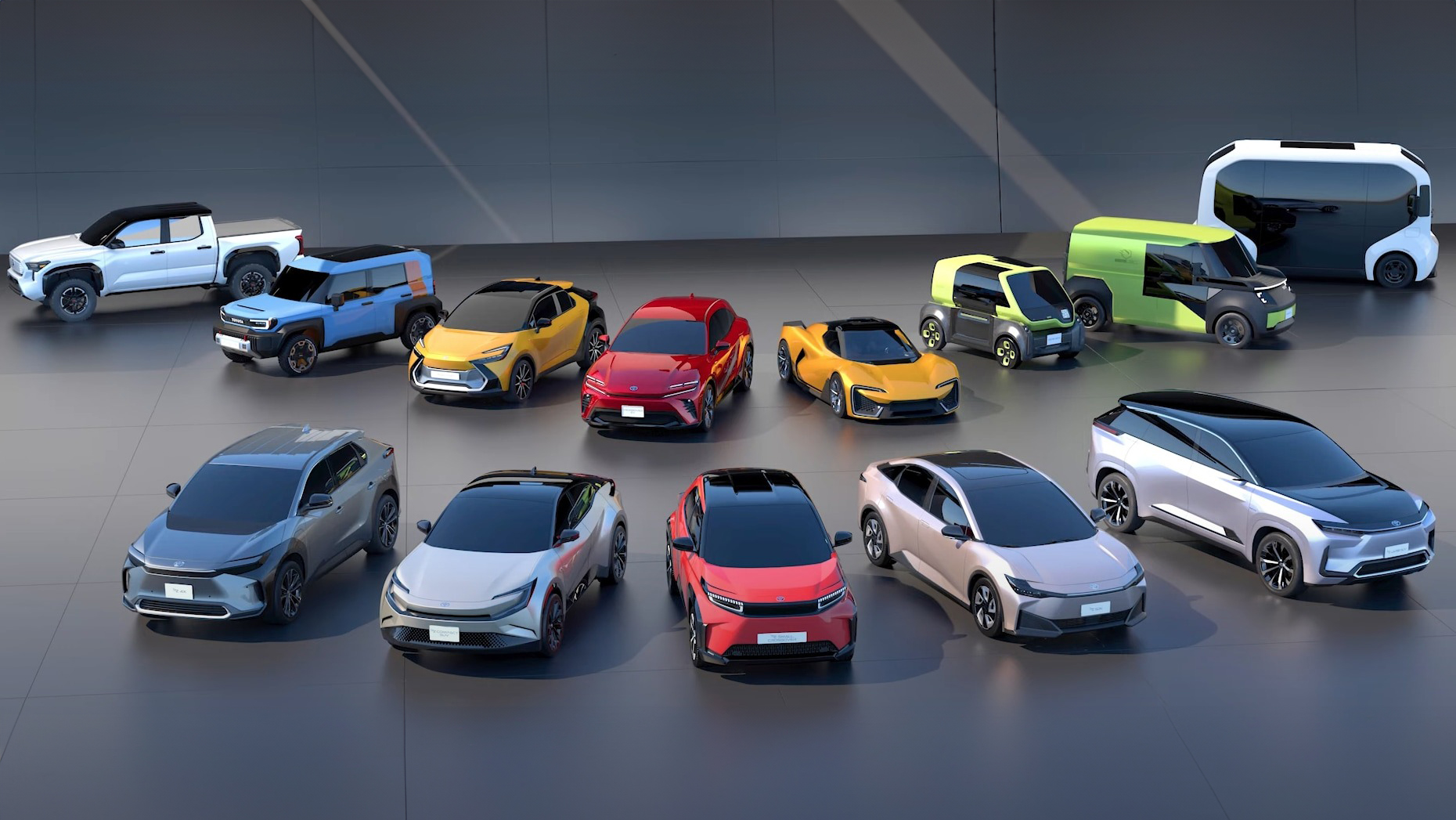
Amidst an ever-evolving automotive landscape, the diversity of four-wheeled innovations continues to captivate. Balancing elegance and ruggedness, today’s vehicles encompass everything from urban efficiency to high-octane thrills. Whether tailored for family comfort or city maneuverability, each model is engineered to match distinct lifestyles and aspirations.
Urban Adventures: Compact Cars for Effortless City Navigation
For urban dwellers, compact cars provide an ideal blend of convenience, economy, and agility. These vehicles are crafted to excel in bustling streets and squeezed parking spots, proving indispensable in crowded cities. Let’s dive into what makes them perfect for metropolitan environments.
The Appeal of Compact SUVs
Compact SUVs have carved out a niche for urban drivers seeking a higher vantage point and a more commanding view of the road. Positioned slightly above the ground, these vehicles not only enhance visibility but also deliver a smoother drive through city traffic. Unlike their larger counterparts, compact SUVs manage to balance size with functionality, ensuring drivers don’t have to compromise on ease of parking or fuel economy. All of these factors make them increasingly popular amongst city drivers who desire more than what traditional sedans offer.
Key Features for City Driving
Certain features distinguish ideal urban vehicles:
- Fuel Efficiency: Urban driving often involves frequent stops, which can be taxing on fuel. Efficient models, especially hybrids or electrics, considerably cut costs.
- Compact Size: A reduced footprint allows for simpler navigation through narrow streets and ease in fitting into tight parking spots.
- Advanced Driver-Assist Systems (ADAS): Tools like lane keep assist and adaptive cruise control improve safety in congested traffic.
- Tech-Savvy Features: Seamless connectivity and advanced infotainment systems ensure drivers remain connected on the go.
Several models exemplify these traits. The Kia Niro comes in electric and hybrid versions, boasting technologies such as Lane Keeping Assist and smart cruise functionalities. The Honda CR-V, with its spacious interior and hybrid capabilities, suits everyday commuting and urban exploits. These vehicles merge practicality with modern conveniences, positioning them as top choices for the city-centric lifestyle.
Family First: Versatile SUVs and Minivans for Every Journey
When choosing a family vehicle, size and comfort reign supreme. SUVs and minivans rise to the occasion, providing extensive space and versatile functionalities suited for family life and adventures. Let’s delve into their unique characteristics.
The Modern Seven-Seater: Beyond the Basic MPV
Today’s seven-seater SUVs have evolved from utilitarian beginnings to luxurious vessels equipped to transport families with style and comfort. The incorporation of spacious interiors, plush seating materials, and high-tech entertainment ensures that every journey becomes an enjoyable experience. These vehicles now include features such as panoramic sunroofs and premium sound systems, making even the most arduous road trips delightful for all.
Electric Options: Embracing the Future of Family Travel
Environmental concerns are driving families to consider electric alternatives. These vehicles, often designed with space efficiency in mind, provide a quiet ride and contribute to ecological sustainability. With continuous improvements in battery life and expanding charging networks, electric and hybrid SUVs are emerging as attractive choices for environmentally-conscious families. As the industry evolves, these models are becoming more practical, aligning performance with eco-friendly credentials.
Balancing Affordability and Practicality: Options for Every Budget
While high-end SUVs cater to luxury seekers, there are also practical options that ensure comfort without a hefty price tag. Affordable models remain competitive by focusing on elements such as driving ease, safety, and essential comfort features. These vehicles prioritize family-friendly attributes, affirming that budget constraints do not preclude quality and reliability in family transportation.
In this context, the Buick Enclave represents an exemplary mid-size SUV tailored to family needs, equipped with technologies that enhance both safety and convenience. Also noteworthy is the Volkswagen Tiguan, revered for its compact size, which accommodates urban driving without sacrificing family-oriented features like ample interior space and efficiency.
Pickups as Family Vehicles: A Growing Trend
Pickup trucks, traditionally seen as utilitarian workhorses, are now increasingly appealing to families. With expanded cabin space and advanced technology, they offer a unique combination of practicality for work and versatility for family use. This shift reflects a growing trend where families seek vehicles capable of handling both everyday commutes and leisure activities, showcasing adaptability in modern family lifestyles.
Navigating Car Prices: Staying Informed in a Dynamic Market
Making an informed purchase in today’s fluctuating market requires keen awareness of pricing dynamics and trends. Factors like supply chain challenges and economic shifts can affect vehicle affordability. Families must remain updated on these variables to negotiate favorable deals, ensuring cost-effective transportation solutions that align with budget constraints.
Electrifying Choices: Understanding the Move to Electric and Hybrid Cars
The embrace of electric and hybrid cars signifies a profound evolution in transportation, driven by sustainability goals and technological ingenuity. Here’s what you need to know about this transformative trend.
Government Regulations and Incentives
Policies promoting eco-friendly transportation significantly boost the popularity of electric and hybrid cars. Tax incentives, emissions standards, and purchase rebates make these vehicles more accessible to the public. This regulatory framework not only encourages adoption but also supports the development of sustainable transportation infrastructure.
Advancements in Battery Technology
The backbone of electric vehicle innovation lies in battery advancements. As energy density increases and charging times decrease, electric cars become more viable for everyday use. These technological strides help mitigate concerns like range anxiety, making electric vehicles a realistic choice for a broader audience.
Growing Charging Infrastructure
The proliferation of charging stations is critical to electric vehicles’ mainstream success. Enhanced availability of these facilities, facilitated by both governmental and corporate investments, ensures that EV owners can reliably charge their vehicles, whether at home, work, or on the go. This growing network is essential for making electric cars a practical reality for many.
Environmental Concerns and Sustainability
Consumer awareness of environmental impacts fuels the shift toward electric and hybrid cars. As individuals seek to minimize their carbon footprint, these vehicles provide a cleaner, more sustainable alternative to traditional gasoline models. The reduction in emissions contributes to improved air quality and aligns with global environmental objectives.
The Future of Electric and Hybrid Vehicles
The trajectory of electric and hybrid vehicles is promising, with further technological and infrastructural advancements anticipated. Enhanced battery performance, comprehensive governmental policies, and increased market demand signal a robust future for these cars. In time, electric and hybrid vehicles will likely dominate the automotive scene, reshaping transportation as we know it.
Luxury on Wheels: The Elegance and Comfort of Premium Sedans
Premium sedans stand at the intersection of sophistication, cutting-edge technology, and ultimate comfort, offering a luxurious driving experience for discerning individuals.
Defining the Premium Sedan Experience
These vehicles are engineered to provide unparalleled comfort and style. With superior materials, advanced technological aids, and impeccably tuned engines, premium sedans distinguish themselves as the epitome of modern luxury. They aim to offer not just transportation but an aspirational lifestyle.
Key Features of Premium Sedans
Premium sedans typically showcase:
- Elegant Interiors: High-end materials and finishings craft an opulent environment, ensuring passenger comfort through features like adjustable seating and climate regulation.
- Top-Tier Technology: State-of-the-art infotainment and driver-assistance systems enhance the driving experience with seamless integration of connectivity and safety features.
- Balanced Performance: Engineered for smooth acceleration and responsive handling, these vehicles provide a refined driving sensation.
- Advanced Safety: Cutting-edge safety features safeguard passengers with systems designed to anticipate and prevent accidents.
Notable Examples in the Premium Sedan Segment
Models like the Mercedes-Benz E-Class and the BMW 7 Series epitomize this category, merging sophisticated design with technological prowess. Whether through the luxury refinement of the Lexus LS or the performance edge of the Cadillac CT5-V Blackwing, these vehicles embody the essence of premium automotive craftsmanship.
The Appeal of Premium Sedans
For many, premium sedans symbolize achievement and an appreciation for quality. They cater to those seeking a harmonious blend of elegance, performance, and advanced functionality, resonating with individuals who appreciate refined luxury.
The Future of Premium Sedans
As sustainability becomes a central theme, expect to see more environmentally conscious models in this sector. Electric and hybrid variants will continue to rise, meeting consumer demand for luxury combined with eco-friendly performance. This evolution ensures premium sedans will remain a significant force in the automotive market, adapting to consumer priorities and environmental concerns.
In summary, whether for urban commutes, family travels, or off-road escapades, today’s vehicles are meticulously designed to meet a wide array of lifestyle needs. From compact city cars to robust off-road vehicles and luxurious sedans, the automobile industry promises diversity, innovation, and a future redefined by electric and hybrid technologies.
Q&A
-
What are the main differences between sedans and SUVs in terms of performance and practicality?
Sedans typically offer better fuel efficiency and handling due to their lighter weight and lower center of gravity, making them ideal for urban environments and daily commutes. SUVs, on the other hand, provide more cargo space, higher seating position, and off-road capabilities, which make them suitable for families and outdoor adventures. They also tend to have more powerful engines, which can be advantageous for towing and driving in challenging conditions.
-
How do sports cars and performance vehicles differ from regular cars in terms of design and engineering?
Sports cars and performance vehicles are specifically engineered for speed, agility, and driving pleasure. They often feature aerodynamic designs, lightweight materials, and powerful engines that deliver high horsepower and torque. Additionally, these vehicles usually come equipped with advanced suspension systems and high-performance brakes to enhance handling and safety at high speeds, setting them apart from regular cars that prioritize comfort and fuel efficiency.
-
What are the advantages and disadvantages of electric, hybrid, and gasoline cars?
Electric cars offer zero emissions, lower running costs, and quieter operation but are limited by their range and charging infrastructure. Hybrid cars provide a balance with improved fuel efficiency and reduced emissions compared to gasoline vehicles, while still offering the convenience of a traditional fuel tank. Gasoline cars, however, generally have a longer range and widespread refueling options but contribute to higher emissions and fuel costs.
-
Why are compact cars considered suitable for city driving?
Compact cars are ideal for city driving due to their small size, which makes them easy to maneuver and park in tight urban spaces. They also tend to be more fuel-efficient and affordable, both in terms of purchase price and maintenance. Their agility and lower emissions make them an environmentally friendly option for navigating congested city streets.
-
What features make off-road vehicles and trucks distinct from other vehicle types?
Off-road vehicles and trucks are equipped with features such as four-wheel drive, higher ground clearance, and rugged suspension systems to handle rough terrains and challenging conditions. They often have larger tires and reinforced underbodies to withstand impacts from rocks and debris. These vehicles are designed for durability and strength, making them ideal for outdoor enthusiasts and those who require heavy-duty performance for work or recreation.
-
How do family cars and minivans cater to the needs of families?
Family cars and minivans prioritize space, comfort, and safety, offering ample seating capacity and storage options to accommodate families. They often come equipped with child-friendly features like rear-seat entertainment systems, additional airbags, and easy-to-access child seat anchors. Minivans, in particular, provide sliding doors for easy entry and exit, making them a practical choice for families with young children.