
The electric vehicle landscape is rapidly evolving, driven by breakthroughs in power sources and supportive policies. As extended travel potential becomes a reality and market reach expands, a new era of sustainable transportation is being shaped, promising efficiency and eco-friendly benefits for contemporary drivers.
Revolutionary Energy: The Core of Electric Advancements
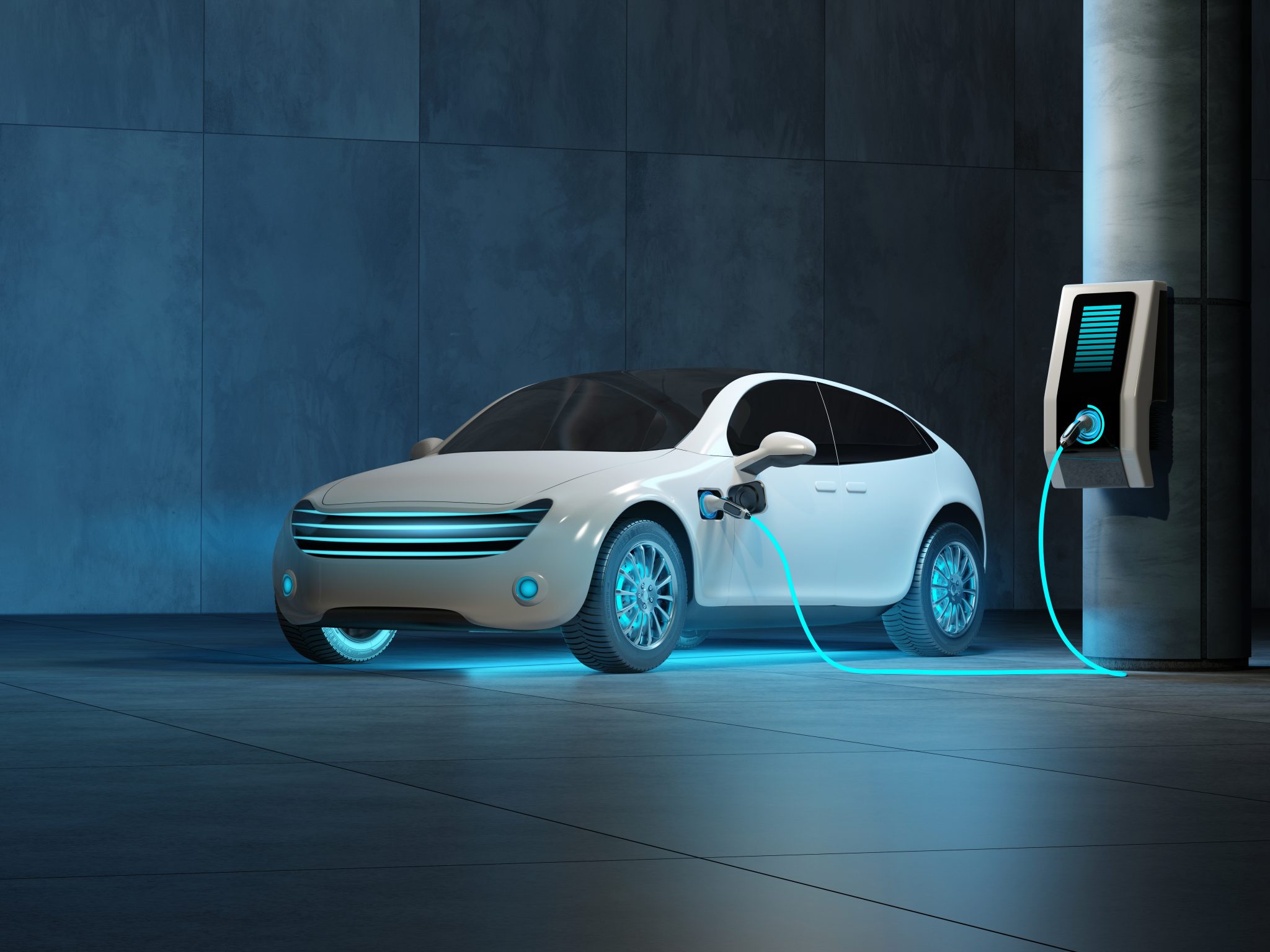
Electric vehicles are fundamentally shifting the transportation narrative, with a significant focus on the power source innovations at their core. Beyond mere improvements, these breakthroughs are revolutionizing the possibilities for EVs by enhancing their capabilities, reducing buyer hesitation, and paving the way for broader adoption.
Fast Charging: Redefining Convenience
Fast charging technology is radically transforming the EV user experience. Imagine significantly reducing the time spent waiting at charging stations, similar to the experience of a quick fuel stop in traditional vehicles. Advancements in battery technology, particularly with lithium iron phosphate (LFP) batteries, are making this possible. The potential for reaching 80% battery capacity in under 10 minutes isn’t just theoretical; prototype testing already hints at its commercial viability within a few years. As more of these ultra-fast charging networks expand, the traditional concerns surrounding EV travel, like the fear of being stranded with a depleted battery, diminish, leading to a more seamless and integrated electric driving experience.
Enhanced Energy Density: More Miles, Less Space
Energy density remains a crucial element in the development of modern EVs, reflecting the amount of power a battery can store relative to its weight. Higher energy density translates to longer travel ranges without added bulk, a critical factor that makes EVs more practical and accepted by broader consumer bases. Emerging technologies such as solid-state batteries are at the forefront, boasting densities exceeding 400 Wh/kg in some cases. These batteries not only maximize space efficiency but also potentially enhance vehicle performance. As innovation continues, more efficient travel will likely become a hallmark of electric vehicles, easing concerns related to frequent recharging and further aiding in the transition from traditional combustion engines to electric mobility.
An Expanding Market: Global Battery Industry Boom
The global demand for electric vehicles is causing an unprecedented surge in the battery market. Dominated by lithium-ion technology, but with solid-state prototypes not far behind, the industry is attracting significant investment and innovation. Giants like CATL, LG Energy, and others are leading the charge, pushing the boundaries of what’s possible in battery performance while simultaneously working to reduce costs. These efforts are not just enhancing battery life and charging speed; they are making EVs more accessible financially, thus playing a critical role in mass adoption and the broader shift towards electric transportation.
Beyond the Vehicle: Batteries as Storage Solutions
The impact of battery innovation extends beyond the immediate realm of electric vehicles. Companies are exploring large-scale energy storage solutions, integrating renewable sources like solar and wind power into national grids. Tesla, among others, is at the forefront with notable programs, transforming how energy is stored and distributed. These advances in battery technology critical to this transition reflect a broader commitment to sustainable practices, emphasizing the impact of battery innovation on global energy consumption and efficiency.
Future Outlook: Batteries Steering the Green Transition
In summary, battery advancements form the backbone of the electric vehicle revolution. By continuously overcoming early market barriers through innovative solutions like higher energy densities and rapid charging, the industry is set for robust growth. The synergy of advancing technology with evolving market strategies is crucial for fostering widespread acceptance of EVs, with substantial far-reaching impacts on both individual transportation and global energy frameworks.
Overcoming Obstacles: From Hesitation to Dominance
Despite remarkable advances in electric vehicles, challenges such as limited range still inhibit some potential buyers. This hesitation, commonly known as “range anxiety,” is a concern regarding the adequacy of battery charge for reaching desired destinations.
Addressable Fears: Reducing Range Anxiety
To tackle these apprehensions, manufacturers are focusing on sophisticated battery management and predictive algorithms. Modern systems analyze numerous variables, including driver habits, terrain variability, and environmental factors, providing accurate travel predictions to consumers. Additionally, regenerative braking technology and battery preconditioning contribute to extending the driving range. These interventions have reportedly reduced unexpected low-battery warnings by significant margins, providing consumers with better insights into their vehicles’ capabilities, which naturally leads to greater trust and comfort in adopting electric technology.
Building Confidence: Expanding the Charging Network
A critical component in alleviating range anxiety involves expanding the availability and efficiency of charging infrastructure. Companies are investing heavily in network expansion, introducing ultra-fast chargers that significantly reduce charging times. Furthermore, collaboration among different sectors enhances access and convenience, as evidenced by emerging partnerships between auto manufacturers and charging providers. With a broadened and easily accessible network, geographical limitations diminish, driving a more confident and assured uptake of electric vehicles.
Itineraries Simplified: Intelligent Trip Assistance
Advanced navigation systems now incorporate real-time data, allowing drivers to plan routes efficiently and emphasize energy conservation. By integrating external conditions and battery data, these systems optimize travel plans and automatically allocate charging stops as needed, eliminating guesswork from longer journeys and contributing to a more transparent and user-friendly driving environment.
Informed Buyers: The Power of Education
Consumer education initiatives are increasingly crucial. Greater public awareness about electric vehicle operation, range capabilities, and charging infrastructure significantly diminishes range anxiety and underlines the practical relevance of electric cars. Additionally, as vehicle technology improves and travel capacities extend, the necessity for frequent power-ups decreases, rendering electric vehicles a smarter choice for everyday use.
Hybrid Approaches: Bridging with Multifuel Options
Regions with inadequate charging setups present unique challenges. Here, alternative solutions like hybrid vehicles, which merge electric motors with internal combustion efficacy, provide practical answers. Incorporating gasoline engines into electric designs offers individuals a transitional experience while simultaneously aiding in the gradual shift towards full reliance on electric power. While not entirely electric, these hybrids serve as critical transitional models, smoothing the path for future adoption across varying infrastructural landscapes.
Greener Roads Ahead: The Environmental Promise of Electric Vehicles
Electric vehicles are increasingly seen as a key solution to reducing carbon emissions and creating a more sustainable transportation system. The environmental benefits of EVs extend beyond just tailpipe emissions, encompassing a broader shift toward decarbonisation and sustainable practices across the automotive industry.
Decarbonization and Clean Energy Agendas
The push for electric vehicles is intricately connected to broader efforts to combat climate change. Automakers are under increased pressure to adhere to clean energy initiatives, with governmental policies providing significant impetus for innovation in electric technologies. This shift isn’t solely about producing better vehicles; it’s about reshaping entire supply chains to favor ethical sourcing, sustainable manufacturing processes, and responsible end-of-life recycling. Collectively, these efforts aim to foster an ecosystem where electric mobility leads the charge toward a sustainable future.
Escalating Electric Viability: Consumer and Technological Growth
Consumers are increasingly recognizing the economic and environmental advantages of EVs, driven by lower operational expenses and favorable environmental impacts compared to conventional vehicles. Continuous advancements in battery technology enhance this perception by delivering superior performance and extended travel ranges, essential for attracting mainstream buyers and promoting a smooth transition from reliance on internal combustion engines to electric propulsion.
Electrification Impact: Cleaner Cities
Electrifying transportation, especially in densely populated regions, offers significant reductions in emissions and encourages healthier urban environments. Leveraging renewable energy for EV power further magnifies these benefits, emphasizing the symbiotic relationship between electric vehicles and cleaner power generation methods. Addressing barriers in emerging markets, chiefly regarding infrastructure, is vital for tapping into the global environmental potential offered by the electric transition.
Innate Environmental Advantages
Even before significant electricity grid changes occur, electric vehicles inherently provide ecological benefits over traditional alternatives, chiefly through increased energy efficiency. As global energy generation increasingly shifts towards renewable sources, the eco-friendliness of EVs further compounds, underscoring the importance of incorporating electric solutions in long-term sustainability strategies. Although relying on fossil fuels for vehicle operation diminishes, the broader implications involve contributing to energy security and stability through diversified, eco-conscious energy systems.
Q&A
-
What are the latest advancements in battery technology for electric vehicles?
Recent advancements in battery technology for electric vehicles (EVs) include the development of solid-state batteries, which offer higher energy density and improved safety compared to traditional lithium-ion batteries. Additionally, research into lithium-sulfur and lithium-air batteries is ongoing, with the potential to significantly increase the range and efficiency of EVs. These technologies aim to reduce charging times and enhance the overall performance of electric vehicles.
-
How is charging infrastructure evolving to support the growing number of electric vehicles?
Charging infrastructure is rapidly evolving with the expansion of fast-charging networks and the integration of smart charging solutions. Governments and private companies are investing in the installation of more public charging stations, including ultra-fast chargers that can recharge an EV in minutes rather than hours. Innovations such as wireless charging and vehicle-to-grid (V2G) technology are also being explored to enhance the convenience and sustainability of charging options.
-
What strategies are being implemented to alleviate range anxiety among EV users?
To alleviate range anxiety, manufacturers are focusing on producing EVs with longer ranges and more efficient battery management systems. Additionally, the proliferation of charging stations, especially in rural and remote areas, is helping to reassure drivers. Some companies are also offering mobile charging solutions and real-time navigation systems that guide drivers to the nearest available charging points, further reducing concerns about running out of power.
-
What are the key maintenance considerations for electric vehicles compared to traditional petrol vehicles?
Electric vehicles generally require less maintenance than traditional petrol vehicles because they have fewer moving parts and do not require oil changes. Key maintenance considerations for EVs include regular battery health checks, brake system maintenance due to regenerative braking reducing wear, and ensuring that the software systems are up to date. Additionally, maintaining the electric motor and checking for any electrical system issues are important to ensure optimal performance.
-
How do government incentives impact the adoption of electric vehicles?
Government incentives play a crucial role in the adoption of electric vehicles by reducing the initial purchase cost for consumers. These incentives can include tax credits, rebates, reduced registration fees, and exemptions from congestion charges. By making EVs more financially accessible, these incentives encourage more consumers to switch from traditional vehicles to electric ones, thereby supporting environmental goals and reducing dependency on fossil fuels.
-
What is the environmental impact of electric vehicles compared to traditional vehicles?
Electric vehicles have a significantly lower environmental impact than traditional petrol or diesel vehicles. They produce zero tailpipe emissions, which helps reduce air pollution in urban areas. The environmental benefits are further enhanced when the electricity used for charging comes from renewable sources. Additionally, advancements in battery recycling and the use of sustainable materials in EV production are further reducing the overall carbon footprint of electric vehicles.