In an era where interconnected technology transforms every facet of life, the rapid growth of wireless communication platforms reshapes how we interact with our surroundings. The evolution of cutting-edge equipment and instantaneous data processing ushers in both groundbreaking efficiencies and pressing concerns over safeguarding digital information.
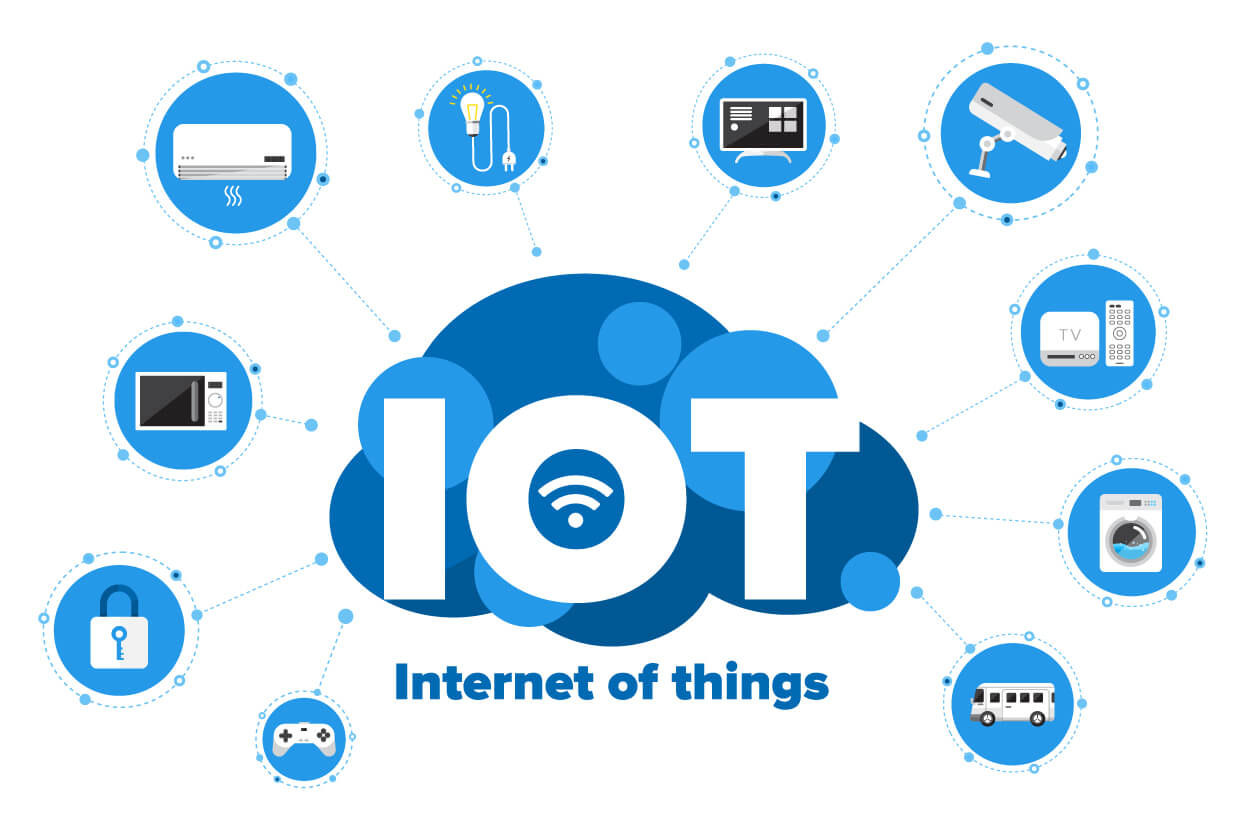
Understanding the Dynamics of IoT Expansion
The advancement of interconnected devices, from household items to high-end industrial machinery, is significantly altering various aspects of daily life, emphasizing a shift towards greater automation and connectivity.
1. Enhancement of Connectivity Infrastructures
The surge in interconnected devices is primarily fueled by advancements in communication technologies, such as Wi-Fi, Bluetooth, and cellular networks. Wi-Fi 6/6E technology plays a key role in home and healthcare systems by providing reliable and high-speed internet access. Meanwhile, Bluetooth Low Energy is widely adapted for its efficiency in low-energy applications, supporting numerous smart devices like sensors and trackers. These technologies ensure that the massive data generated by IoT devices can be managed efficiently, enabling seamless integration into everyday use.
The phase-out of older network structures like 2G and 3G is further steering IoT toward more advanced and efficient models like 4G and 5G, which enhance speed and security. This transition is necessary to meet the current demand for high-speed data transmission and low-latency communication, essential for real-time IoT applications.
2. Edge Data Centers and Real-time Processing
Edge computing is pivotal in supporting the growing demands of IoT by processing data closer to where it is generated. This local data handling reduces latency and bandwidth usage, allowing immediate analytics and decision-making crucial for sectors like healthcare, automotive, and smart infrastructure. For instance, in critical applications like autonomous vehicles, where timely data processing is vital, edge computing’s ability to handle vast data amounts rapidly ensures safer and more reliable performance.
Edge computing is also addressing data sovereignty and privacy concerns, as localized processing helps keep sensitive data within boundaries, thus enhancing security and compliance with data protection regulations.
3. Demand Surge for Enhanced Connectivity
With the IoT’s expansion, the demand for reliable connectivity is skyrocketing. Telecom companies are continuously innovating by expanding broadband capabilities and improving network reliability to cater to this need. The infrastructure developments in high-speed connectivity not only enable the IoT’s seamless operations but also play a central role in driving the digital economy forward.
This increased connectivity is a cornerstone for the growing IoT ecosystem, providing the required network resilience and efficiency for applications spanning from personal gadgets to industrial machinery.
Practical Implications of IoT in Daily Routines
IoT technologies are more than theoretical concepts as they bring tangible improvements to efficiency and safety in everyday life, enhancing living standards across various environments.
1. Smart Home Innovations for Better Living
Smart homes represent a leap in how living spaces interact with residents, focusing on comfort, energy efficiency, and security. Devices like smart thermostats optimize energy usage by learning user preferences, significantly reducing energy costs and environmental footprints.
Also, smart appliances like interconnected refrigerators and remote-controlled washing machines offer unprecedented convenience, enabling task automation and reducing the burden of everyday chores. In terms of security, IoT-enabled systems provide enhanced peace of mind through real-time monitoring and alerts, thus solidifying smart homes as critical components of modern living.
2. Healthcare Transformation and Patient Engagement
IoT is revolutionizing patient care by enabling technologies that offer remote monitoring and personalized medicine, leading to improved health outcomes. Wearable health trackers continuously collect data on vital signs, offering critical insights into personal health and enabling early detection of potential health issues.
Also, remote monitoring technologies allow healthcare professionals to keep track of patients with chronic conditions efficiently, reducing the need for frequent hospital trips and facilitating timely interventions. Such innovations are pivotal in improving healthcare accessibility and quality, making IoT indispensable in modern medical practices.
3. Urban Development through Smart City Solutions
Across urban landscapes, IoT is underpinning smart city initiatives that aim to create more sustainable and livable environments. Applications like smart street lighting, which adjusts brightness according to traffic and ambient light conditions, help save energy and reduce pollution.
Additionally, traffic management systems harness IoT to collect real-time data, optimizing traffic flow to reduce congestion and enhancing air quality. Environmental monitoring systems further support public health initiatives by providing essential data on air and water quality, highlighting IoT’s role in fostering healthier urban environments.
The Intersection of Innovative IoT Technologies
As the IoT ecosystem grows, it intersects with emerging technologies, creating powerful synergies that drive further enhancements in functionality and security.
1. Synergy between AI and IoT for Smart Solutions
Artificial intelligence integration is elevating IoT systems by enabling real-time analytics and intelligent decision-making. AI guide systems in analyzing data quickly and effectively, which is especially crucial in applications ranging from predictive maintenance to smart automation in factories and homes.
For example, in industrial settings, AI-driven analytics help predict equipment failures, thereby reducing downtime and enhancing productivity. Similarly, in smart homes, AI assists in automating energy management, optimizing comfort, and reducing operational costs.
2. Navigating Data Security and Privacy
With increased connectivity, data security and privacy have emerged as critical concerns. The vast data handling by IoT devices poses potential risks of data breaches and unauthorized access. It becomes imperative to implement robust security measures such as strong encryption, continuous monitoring, and rigorous authentication protocols.
Also, evolving privacy laws require companies to stay vigilant and compliant with data protection regulations. As IoT devices proliferate, securing personal information against potential vulnerabilities becomes fundamental in maintaining public trust and ensuring the safe deployment of these technologies.
By addressing these challenges, the IoT ecosystem can achieve its full potential, driving innovation while safeguarding user data against evolving threats.
Overcoming Connectivity Hurdles in an Evolving IoT Landscape
A deeper understanding of connectivity hurdles and their potential solutions is essential for fulfilling IoT’s promise of transforming everyday interactions with technology.
1. Adapting to New Connectivity Standards
The ongoing transition towards more efficient connectivity standards underpins the paradigm shift in the IoT landscape. With 2G and 3G networks retiring, new systems like 5G offer improved bandwidth, reduced latency, and stronger security protocols, addressing previous connectivity issues. Ensuring that IoT devices are compatible with these standards is crucial for their sustained relevance and performance.
2. Addressing Cybersecurity Risks
As IoT devices multiply, so do concerns over cybersecurity. The expanded connectivity landscape increases the attack surface, necessitating robust security frameworks to protect sensitive data. Implementing comprehensive security measures ensures network reliability and safeguards against unauthorized access, reinforcing trust in IoT technologies.
3. Balancing Growth with Environmental Responsibility
The rapid expansion of Industrial IoT presents environmental challenges due to high energy consumption and electronic waste proliferation. Implementing green strategies, such as energy-efficient technologies and sustainable waste management, is crucial to minimizing the IoT ecosystem’s environmental impact, promoting responsible innovation, and ensuring long-term sustainability.
4. Preparing for Next-Generation Connectivity
Innovation in IoT connectivity isn’t limited to current technologies. Emerging systems like 6G promise to remove existing limitations while also introducing new challenges in privacy and cybersecurity. Proactively creating mitigation strategies for these hypothesized risks is essential for growing ecosystems that maintain safety, reliability, and user trust, ensuring a promising future for IoT advancements.
As we navigate this rapidly evolving landscape, these considerations will drive the development of secure, efficient, and resilient IoT systems that transform how we interact with the world.
Q&A
-
What is the role of Internet of Things (IoT) in Smart Home Devices?
The Internet of Things (IoT) plays a crucial role in smart home devices by enabling connectivity and communication between different devices. IoT allows for the automation of household tasks, such as controlling lighting, heating, and security systems remotely through smartphones or voice-activated assistants. This connectivity enhances convenience, energy efficiency, and security in modern homes.
-
How does Wearable Technology benefit from the advancements in IoT?
Wearable technology benefits significantly from IoT advancements by integrating sensors and connectivity features that monitor and transmit health and fitness data in real-time. These devices, such as smartwatches and fitness trackers, provide users with valuable insights into their health metrics, facilitate better health management, and enable remote monitoring by healthcare professionals.
-
What are the potential applications of Connected Cars in everyday life?
Connected cars, enabled by IoT, offer numerous applications in everyday life, including real-time traffic updates, enhanced navigation systems, and improved vehicle safety features. They also support vehicle-to-vehicle communication, allowing cars to share information about road conditions and potential hazards, thereby reducing the likelihood of accidents and improving overall road safety.