
Ensuring the health of your vehicle throughout the year is essential for optimal performance and safety. By staying attuned to the needs of your car—addressing its regular checks and adapting to seasonal demands—you can enhance its reliability and longevity while minimizing potential issues along the road.
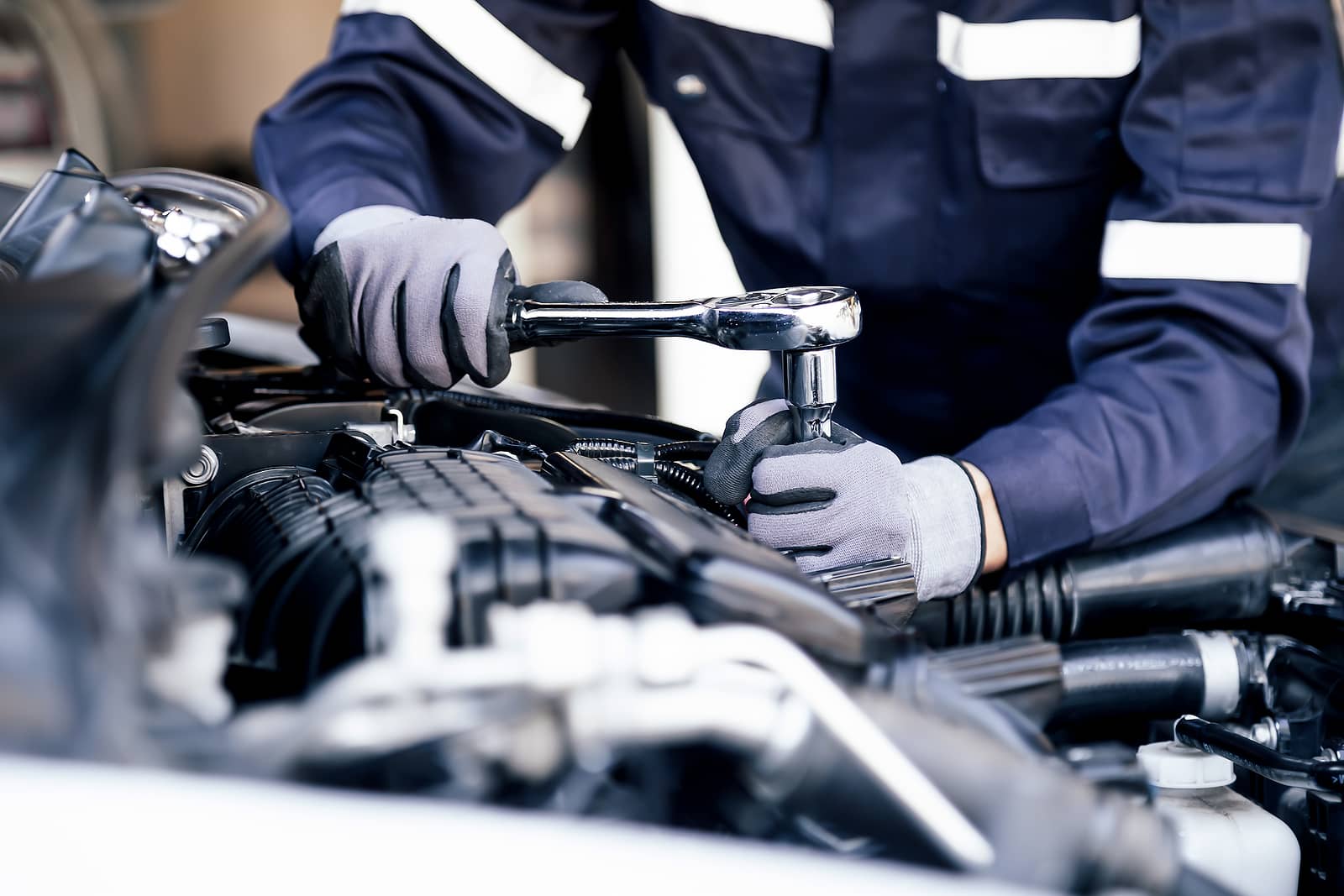
From Oil to Brakes: The Comprehensive Car Maintenance Canvas
Maintaining your vehicle involves a detailed understanding of various components that each contribute to its seamless operation and overall safety. Ensuring each part of your car—ranging from the engine to the braking system—is regularly checked and maintained, guarantees not only a reliable vehicle but also one that performs efficiently.
The Role of Routine Checks in Maintenance
Routine checks and servicing are essential in preventing mechanical failures and prolonging the vehicle’s lifespan. These tasks, though seemingly minor, collectively account for your car’s overall performance.
-
Oil Changes: As indicated by the common guideline, oil should be changed approximately every 5,000 miles to ensure engine efficiency. Regular oil changes prevent engine wear and help maintain optimal vehicle performance.
-
Brake Inspections: Safety hinges significantly on a well-kept braking system. Performing brake inspections every 10,000 miles is necessary for maintaining safety. Worn brakes can drastically affect your stopping ability, posing a risk to yourself and others.
-
Engine Check: An annual engine check can prevent unexpected breakdowns. Regular inspections help to identify minor issues before they evolve into significant problems, saving not only money but also time.
-
Tire Rotation and Maintenance: Tires are essential for road safety and vehicle handling. Rotating tires every 6,000 miles promotes even wear, maintaining traction and improving the lifespan of the tires.
By consistently adhering to maintenance tasks, you facilitate a smoother operation, safe driving, and properly functioning car systems.
Weathering Changes: Tailoring Car Maintenance to the Seasons
The changing seasons pose diverse challenges to vehicles, affecting their performance and safety. Tailoring maintenance practices to seasonal demands preserves your car’s integrity and reliability, regardless of the weather conditions.
Spring Awakening: Preparing for Warmer Weather
As winter bids farewell, and spring ushers in warmer temperatures, it’s crucial to adjust your vehicle maintenance routine accordingly. Spring serves as an excellent opportunity to remedy any winter-induced wear and prepare for upcoming heat.
-
Tire Care: In spring, temperature fluctuations can affect tire pressure. Regular checks are vital to maintain proper inflation, promoting safety and efficiency. Transitioning back to summer or all-season tires is recommended if you used winter tires.
-
Fluid Checks: Warmer months demand a focus on fluid levels, especially coolant and windshield washer fluid.
-
Exterior Maintenance: Removing winter residue through a thorough wash and applying wax protects the car from sun exposure.
Summer Sizzle: Keeping Cool Under Pressure
The summer season imposes stress on various car systems due to high temperatures. Proactive maintenance ensures your vehicle remains resilient against the summer heat.
-
Cooling System: A functional cooling system prevents overheating. Thus, regular coolant level checks and cooling system inspections are critical.
-
Air Conditioning: Having an efficient air conditioning system is important for comfort and safety; check the system for unusual noises or odors.
-
Battery Health: Heat affects battery life, warranting regular checks to avoid unexpected failures.
Autumn Arrival: Preparing for the Chill
Autumn signals the approach of colder months. Preparing your car for falling temperatures and changing conditions is crucial.
-
Brake System: As roads potentially become slippery, brake efficiency becomes paramount. Routine checks prevent seasonal hazards.
-
Lighting and Visibility: Shorter days and inclement weather require superior visibility, necessitating a thorough inspection of all lights and replacement if needed.
-
Wipers and Washer Fluid: Reliable wiper blades and full windshield fluid reservoirs ensure clear visibility during rain and falling leaves.
Winter Woes: Battling the Cold and Ice
Winter introduces harsh driving conditions with snow and ice, challenging both vehicles and drivers. Proper preparation ensures safety and performance.
-
Winter Tires: Installing winter tires enhances traction on snow and ice, improving handling and safety.
-
Battery and Emergency Preparedness: Cold weather diminishes battery performance, making vigilance crucial. An emergency car kit ensures readiness for adverse situations.
Safe and Sound: Ensuring Longevity with Preventive Care
Preventive car care is akin to preventive healthcare—addressing potential issues before they become serious prolongs both vehicle and component lifespan. Rather than being reactive, adopting a proactive stance can save costs and prevent inconveniences.
Extending Vehicle Life and Improving Efficiency
Preventive care is crucial for extending your vehicle’s lifespan and boosting efficiency, much like servicing household appliances for optimal performance. Regular maintenance tasks—from oil changes to tire rotations—promote smoother operation and enhanced efficiency.
-
Fuel Efficiency: Tasks such as air filter changes and spark plug inspections directly affect fuel economy, ensuring your engine runs at its best.
-
Reduced Accident Risk: Well-maintained systems, notably brakes and tires, promote safety, minimizing the chance of accidents.
The Impact of Regular Maintenance on Downtime and Cost
Maintaining consistent care reduces unplanned downtimes and expensive repairs. Like regular check-ups prevent illnesses, systematic vehicle maintenance averts major failures.
-
Reliability and Performance: Consistent maintenance secures vehicle reliability, guaranteeing it’s ready whenever needed.
-
Documentation and Manufacturer’s Guidelines: Adhering to the manufacturer’s service schedule protects against unforeseen failures, increasing vehicle life expectancy.
The Smart Investment of Consistent Maintenance
Neglecting preventive care parallels ignoring health warnings—both lead to serious, costly complications. Consistent maintenance remains the smart choice for vehicle owners, protecting investment and ensuring safety.
By adopting a preventive maintenance mindset, you aren’t merely preserving your vehicle; you’re ensuring your continued safety, optimizing its performance, and safeguarding your financial investment for the future.
Q&A
-
What is the importance of regular oil changes for vehicle maintenance?
Regular oil changes are crucial for maintaining your vehicle’s engine health. Oil lubricates the engine parts, reducing friction and wear, and helps to remove sludge and particles. By changing the oil regularly, you ensure the engine runs smoothly, improve fuel efficiency, and extend the engine’s lifespan. -
How does tire rotation benefit vehicle performance?
Tire rotation involves changing the position of the tires on your vehicle to ensure even tire wear. This practice extends the life of your tires, improves gas mileage, enhances vehicle handling, and provides a smoother ride. It is typically recommended every 5,000 to 8,000 miles, often coinciding with oil changes. -
Why is brake inspection a critical aspect of vehicle safety?
Brake inspection is vital for ensuring the safety and reliability of your vehicle. Regular checks help identify wear on brake pads, rotors, and other components, preventing potential failures. Addressing issues early can prevent costly repairs and, most importantly, ensure effective stopping power, which is essential for safe driving. -
What are the benefits of an engine check as part of vehicle maintenance?
An engine check involves diagnosing the engine’s performance and identifying any potential issues. This can include checking the ignition system, fuel system, and emissions. Regular engine checks can prevent unexpected breakdowns, optimize performance, and ensure the vehicle meets environmental standards. -
How often should fluid replacement be conducted, and which fluids are typically involved?
Fluid replacement should be conducted according to the vehicle manufacturer’s recommendations, generally every 30,000 to 60,000 miles. Key fluids include engine oil, transmission fluid, brake fluid, coolant, and power steering fluid. Regularly replacing these fluids ensures optimal vehicle performance and prevents system failures. -
What are some essential seasonal maintenance tips for vehicle owners?
Seasonal maintenance tips include checking tire pressure and tread depth as temperatures change, ensuring the battery is in good condition, and inspecting windshield wipers and fluid levels. In winter, ensure the heating system is functioning, and in summer, check the air conditioning. Regularly updating these checks helps adapt your vehicle to seasonal conditions and maintain safety and performance.