
The delicate dance between languages transforms literature into a vibrant tapestry of cultures and ideas. By reshaping stories across linguistic boundaries, skilled individuals unlock the beauty of global narratives, enriching our understanding and appreciation of diverse voices and fostering a rich exchange between different cultural realms.
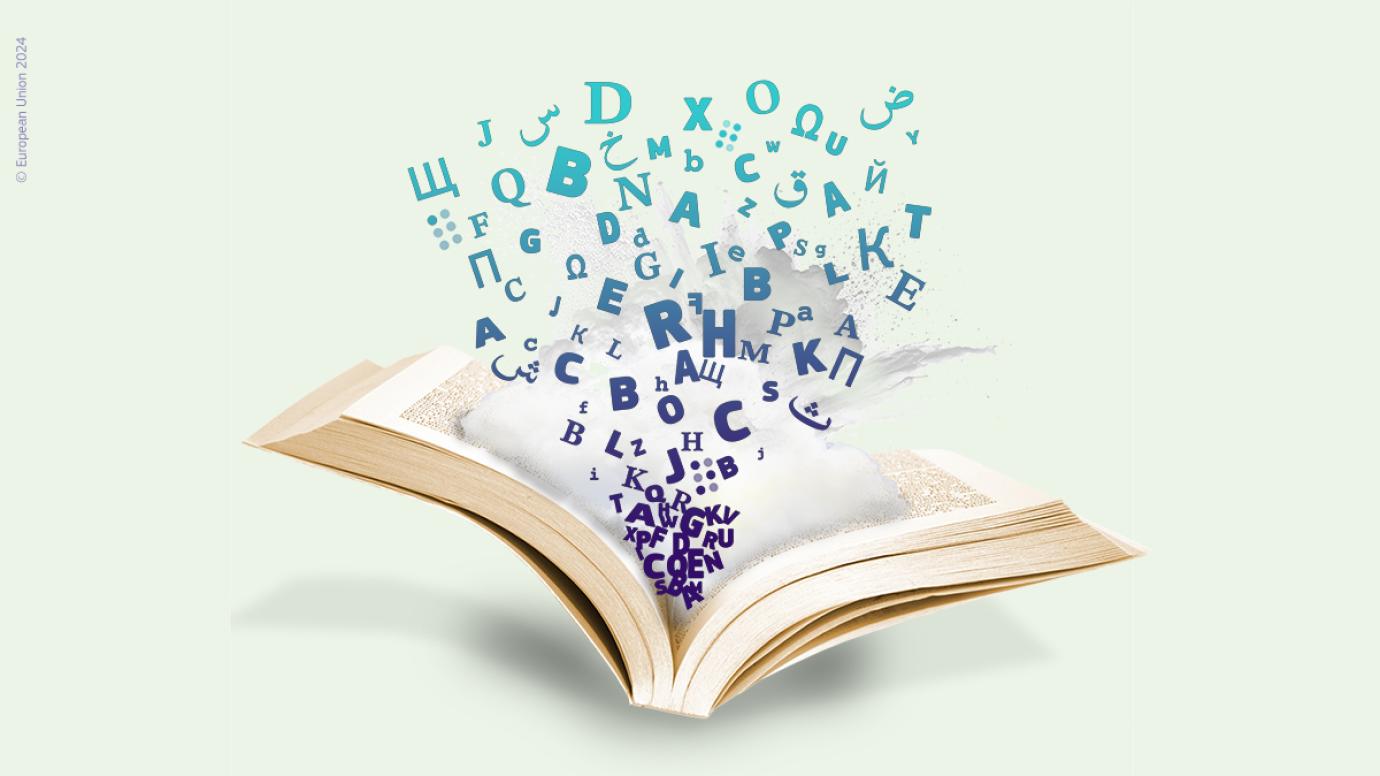
The Art of Translating Literary Works
Literary translation involves more than a linguistic exercise; it demands a nuanced approach that encompasses artistry and cultural understanding. Translators must maneuver through a landscape of cultural references, idioms, and stylistic intricacies to present a coherent and powerful narrative to a new audience.
1. Capturing the Heart of Poetry
Translating poetry stands out as one of the most challenging tasks due to its reliance on sound, rhythm, and emotional impact. A translator isn’t just converting words but weaving an experience that transcends linguistic boundaries. Mastering this art form requires an intimate understanding of the source material, including the linguistic and cultural nuances of the original poem.
The translator must engage with the poem at a deep level to grasp its thematic and emotional core. This involves dissecting each word and phrase not merely for their literal meaning but for their connotations and cultural resonance. A successful translation retains the poem’s essence while resonating emotionally with new readers.
In translating poetry, translators often face the dilemma of balancing the poem’s structure with its meaning. Should one prioritize rhyme and meter over precise meaning, or vice versa? The key lies in capturing the poem’s spirit—adapting where necessary to convey the intended emotion without compromising the integrity of the work.
2. Navigating Cultural Sensitivities and Nuances
Translations often serve as cultural bridges, connecting different worlds by making literature accessible across language barriers. However, this comes with the complex task of navigating cultural sensitivities. Translators must identify references and idioms specific to the source culture and find ways to adapt them for the target audience without diluting the original message.
Cultural context is crucial, especially when dealing with humor, idioms, or historical references. Translators must decide whether to preserve these elements in their original form, adapt them to align with the target culture, or offer explanations through footnotes or annotations.
Collaboration can play an integral role in this process. By working alongside native speakers or cultural experts, translators can gain insights and feedback that enhance the accuracy and cultural appropriateness of their translations. Such collaborations enrich the translation process and help avoid misunderstandings that could arise from cultural differences.
Poetry and Prose: Dual Pathways to Cultural Understanding
Both poetry and prose in literature offer distinct ways to explore and bridge cultural divides. Each form presents unique opportunities and challenges in capturing the depth and complexity of cross-cultural narratives.
1. The Rhythmic Allure of Poetry
Poetry’s emphasis on rhythm and sound makes it a universal form of art that transcends linguistic differences. A well-translated poem resonates emotionally, regardless of the reader’s cultural background or familiarity with the original language. This universality demonstrates that emotions can often communicate more effectively than words.
When translating poetry, the translator must become an artist, adept at preserving the musicality and imagery inherent in the original work. This often requires innovation, as certain poetic devices may not have direct equivalents in the target language. However, it also offers creative freedom to reinterpret the poem’s emotion and aesthetic within a new cultural framework.
2. The Narrative Power of Prose
Prose, with its narrative style and storytelling tradition, offers a broader canvas for exploring cultural contexts. Translators must navigate the intricacies of voice, character development, and dialogue, ensuring that the prose reflects the original narrative’s richness and depth. Translators must immerse readers in the cultural milieu the author envisioned, often requiring cultural adaptation for clarity and relatability.
Prose translation poses unique challenges, such as maintaining consistent tone and style across diverse linguistic and cultural landscapes. Translators must capture the author’s voice while ensuring accessibility and engagement for the target audience, requiring a delicate balance between originality and fidelity.
3. The Interplay Between Poetry and Prose
In many literary works, poetry and prose coexist, creating a multifaceted narrative experience. This interplay allows for the exploration of personal identity and cultural divergence within a shared literary framework. Translators must adapt their strategies to navigate these hybrid forms effectively, ensuring each component retains its intended impact.
Understanding the relationship between poetry and prose in a literary work can enhance the translation process. Translators must remain attuned to the musical and narrative elements at play, achieving a seamless transition between forms. This sensitivity to both styles elevates the reader’s experience, allowing for a more nuanced appreciation of the original work.
Bilingual Editions: Connecting Cultures and Languages
Bilingual editions serve as vital tools in fostering linguistic and cultural exchange. By presenting original texts alongside their translations, these editions provide readers with insights into the translation process while promoting cross-cultural understanding.
1. Utility for Language Learners
Bilingual editions offer a valuable resource for language learners by pairing translated texts with their original counterparts. This dual presentation allows learners to contrast two languages, enhancing their comprehension and appreciation for linguistic intricacies.
By dissecting sentence structures, idiomatic expressions, and vocabulary usage, language learners gain deeper insights into both linguistic systems. This active engagement fosters a better understanding of translation choices and their impact on the text’s meaning and tone.
2. Insight for Literary Scholars
For scholars and literary enthusiasts, bilingual editions open a window into the art of translation itself. They enable a comparative study of the translator’s decisions and shed light on the challenges of navigating cultural nuances and preserving the original work’s integrity.
Such comparative analysis highlights the translator’s role in shaping cross-cultural discourse, underscoring the impact of translation on literary interpretation. Bilingual editions serve as testaments to the creativity and sensitivity at the heart of literary translation.
3. Expanding Cross-Cultural Dialogue
Bilingual editions encourage readers to engage more deeply with global literature by facilitating access to diverse narratives. They promote an appreciation for the nuances of language and enrich cultural dialogue by highlighting perspectives from disparate traditions.
Q&A
-
What is the significance of translation theory in cross-cultural literature?
Translation theory plays a crucial role in cross-cultural literature as it provides a framework for understanding how texts can be effectively translated while preserving cultural nuances and literary aesthetics. It helps translators make informed decisions about how to handle cultural references, idiomatic expressions, and stylistic elements, ensuring the translated work resonates with the target audience while maintaining the original’s intent and tone. -
How do bilingual editions contribute to the appreciation of translated works?
Bilingual editions allow readers to engage with both the original and translated texts simultaneously, offering a deeper appreciation of the translation process and the literary nuances of each language. They serve as a valuable resource for language learners and literary scholars, fostering a greater understanding of the linguistic and cultural differences that shape literary interpretation. -
What are the unique challenges faced by literary translators when translating poetry?
Translating poetry presents unique challenges due to the need to preserve the original’s rhythm, meter, and sound patterns while conveying its meaning and emotional impact. Literary translators must balance the literal translation of words with the artistic and cultural elements of the poem, often making creative choices to maintain the poem’s aesthetic qualities in the target language. -
In what ways does literary adaptation differ from translation, particularly in cross-cultural contexts?
Literary adaptation involves reimagining a source text in a new cultural or artistic form, often incorporating significant changes to fit the target culture’s context. Unlike translation, which aims to stay as close to the original as possible, adaptation allows for more creative freedom and can involve altering characters, settings, or plot elements to resonate with a different audience, making it particularly useful in cross-cultural contexts where direct translation may not convey the intended impact. -
Why are literary translators essential in the development of cross-cultural literature?
Literary translators are vital in the development of cross-cultural literature as they bridge language barriers, allowing stories and ideas to travel across cultures. They facilitate cultural exchange and mutual understanding by introducing readers to diverse literary traditions and perspectives, enriching the global literary landscape and fostering greater empathy and appreciation for different cultures.