
Between ice-draped realms and stark frontier landscapes, intrepid missions navigate the polar extremes. As icy conditions morph amidst global shifts, explorers face multifaceted hurdles that transform these vast white expanses into living laboratories, where each journey uncovers fragile ecosystems and urgent truths about planetary wellbeing.
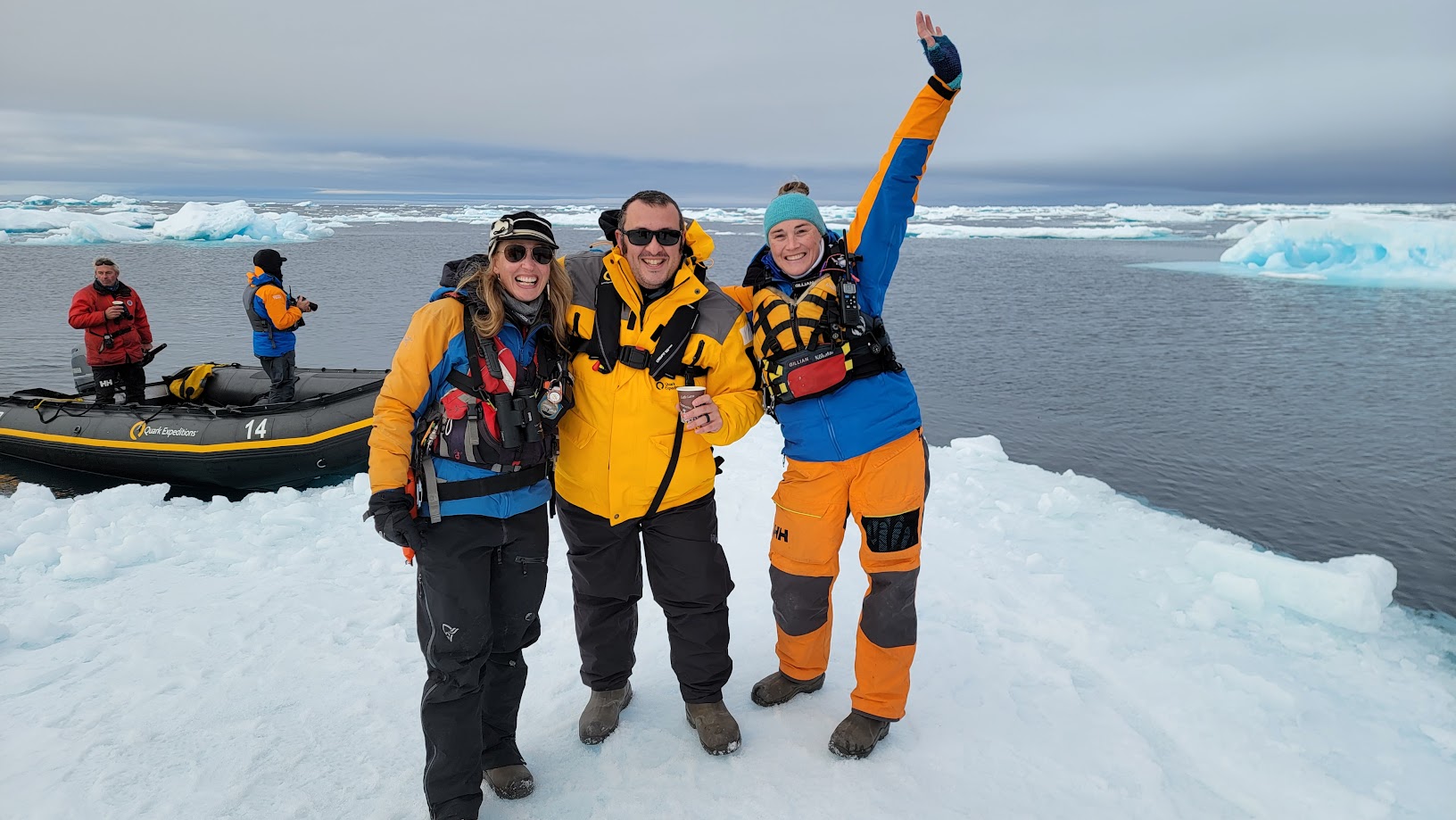
The Dual Life of Polar Expeditions: Adventure and Science
Polar exploration seamlessly combines the thrill of adventure with the meticulous process of scientific research. Individuals who embark on these journeys often embody both intrepidity and rigorous scientific curiosity, paving the way for groundbreaking discoveries in extreme environments.
The Call to Explore and Discover
Many are drawn to polar regions by a deep-seated need to explore and push personal boundaries. This is no ordinary adventure but rather an opportunity to traverse vast, icy landscapes under the harshest conditions. Yet, the drive goes beyond mere adventure; it rests on a profound intrigue with the natural world. Explorers arrive with a determination to decode complex ecosystems, study atmospheric phenomena, and understand geological formations unique to these areas. This intertwining of exploration and scientific inquiry plays a crucial role in expanding our comprehensive understanding of a planet profoundly impacted by climate change.
Unveiling History Through Ice
A significant part of the allure of polar expeditions lies in their ability to unlock Earth’s climatic secrets. Imagine the thrill of handling ice cores that have trapped ancient air bubbles for millions of years—air that holds the keys to understanding historical climate trends. Scientific teams analyze these cores, extracting data on past atmospheric compositions and temperature fluctuations that inform models to predict future climate scenarios. Polar expeditions, therefore, are not only about what explorers see and experience but also about what the ice can tell us about both past climates and future implications.
Understanding Ecosystems: Life in the Polar Frontiers
Polar regions are not just icy wastelands; they’re vibrant ecosystems teeming with life uniquely adapted to extreme conditions. Every species here, from tiny microorganisms to giant mammals, plays a part in an interconnected ecological web that is delicate and profoundly responsive to environmental changes.
Biodiversity and Adaptation
Adaptation is the linchpin of survival in these hostile environments, and the biodiversity in polar regions is a testament to life’s resilience and adaptability. According to the British Antarctic Survey, scientists study how polar species from microbes to megafauna have adapted to survive extreme cold, resiliently interacting within ecosystems that are incredibly sensitive to human impact and climatic shifts. This ongoing research helps unravel the ecological functions that support polar life, providing a critical window into how these species might continue to adapt as challenges mount.
Environmental Impacts and Conservation
The polar regions act as barometers of global environmental health. Significant changes here—such as melting ice and shifts in temperature regimes—have profound effects not only within these delicate ecosystems but also on global sea levels and climate patterns. Understanding these impacts is crucial for forming conservation strategies to protect these regions. Conserving polar biodiversity ensures the resilience of these ecosystems, which is vitally connected to the wellbeing of the planet as a whole.
The Role of Technology in Polar Research
With technological innovations driving modern polar exploration, the far reaches of our planet are becoming more accessible than ever before. These advances not only make expeditions safer but also amplify the level of detail and accuracy in scientific data collection.
Remote Research and Data Collection
In an era where boots-on-the-ground exploration is complemented by high-tech remote methods, the integration of satellite data, drones, and automated sensors is revolutionizing polar research. These technologies provide real-time tracking of environmental changes remotely, allowing scientists to monitor vast expanses of ice with precision and gather data that would otherwise be impossible to collect due to harsh conditions or inaccessible locations.
Robotics and Autonomous Exploration
Robotics and autonomous underwater vehicles have become indispensable in exploring subglacial lakes and mapping seafloor ecosystems. For instance, autonomous rovers designed to explore these harsh environments can cover large distances and provide critical data that contribute to our understanding of biological processes under ice covers. The autonomous systems also offer a glimpse into potential new habitats and the conditions under which life might exist in other icy celestial bodies, hinting at implications beyond our planet.
Addressing Environmental Challenges
As polar expeditions unlock more mysteries of these icy environments, they also highlight increasingly severe environmental challenges. The imperative is clear: balance exploration with conservation to safeguard these fragile ecosystems for future generations.
Climate Change and Its Global Impact
Climate change severely threatens polar environments; melting ice caps contribute to rising sea levels and disrupt climatic patterns globally. The ecosystems in these regions are essential for maintaining the Earth’s climate balance. The data collected from these expeditions feed directly into international efforts to mitigate climate change’s effects, guiding policy decisions and conservation strategies worldwide.
Sustainable Exploration Practices
Commitment to sustainable practices in polar exploration is paramount. This includes reducing environmental footprints through innovative waste management, adopting cleaner technologies for expeditions, and ensuring that research can be conducted without unduly disturbing the local ecology. The establishment of Marine Protected Areas and adherence to international environmental agreements, such as those focusing on polar conservation, supports these efforts by promoting responsible stewardship.
Building International Collaborations
Polar research is inherently a global effort, relying on international collaboration to achieve significant breakthroughs. Shared knowledge and resources enhance the scope and impact of scientific discoveries, leading to more robust strategies to tackle the immense challenges these regions face. This cooperative spirit is necessary to protect not only the polar environments but also to secure a sustainable future for our planet.
In conclusion, polar expeditions beautifully marry the spirit of exploration with the quest for knowledge about our planet’s most remote regions. They serve dual roles as platforms for scientific discovery and as calls to action for preserving the delicate ecosystems they reveal. Balancing the pursuit of knowledge with sustainability measures can safeguard these frosty frontiers for future global explorers and researchers alike.
Q&A
-
What are some key differences between Arctic and Antarctic expeditions?
Arctic and Antarctic expeditions differ primarily in geography and climate. The Arctic is an ocean surrounded by continents, leading to slightly milder temperatures and more accessible wildlife. In contrast, Antarctica is a continent surrounded by ocean, resulting in harsher climates with more extreme cold. Additionally, the Antarctic is governed by international treaties focusing on scientific research and environmental protection, while the Arctic involves multiple countries with varying regulations.
-
What should travelers expect on polar cruises for iceberg watching?
On polar cruises, travelers can expect to see stunning landscapes filled with icebergs of various shapes and sizes. These cruises often provide expert guides who explain the formation and movement of icebergs. Passengers should be prepared for cold weather, and photography opportunities are abundant. Cruises may also include land excursions to explore surrounding wildlife and natural formations.
-
How do scientific research stations operate in polar regions?
Scientific research stations in polar regions operate under extreme conditions and are often isolated. They focus on studying climate change, glaciology, and ecosystems unique to the poles. These stations are equipped with specialized technology to withstand the harsh environment and rely heavily on satellite communications for data transmission and coordination. Personnel undergo rigorous training to adapt to the extreme cold and limited resources.
-
What preparations are necessary for enduring the extreme cold in polar regions?
Preparing for extreme cold in polar regions requires specialized clothing, including insulated layers, waterproof outerwear, and thermal accessories like gloves and hats. Physical fitness is also crucial to withstand the demanding conditions. Additionally, mental preparation is important, as the isolation and harsh environment can be challenging. It is recommended to undergo training in survival techniques and cold-weather safety protocols.