
Exploring the complexities of maintaining public health reveals how interconnected actions create a robust defense against widespread illnesses. Strategic approaches encompassing diverse preventive measures significantly reduce infection risks, fostering safer environments and enhancing resilience against potential health threats, clearly demonstrating the profound impact of comprehensive protection efforts in disease management.
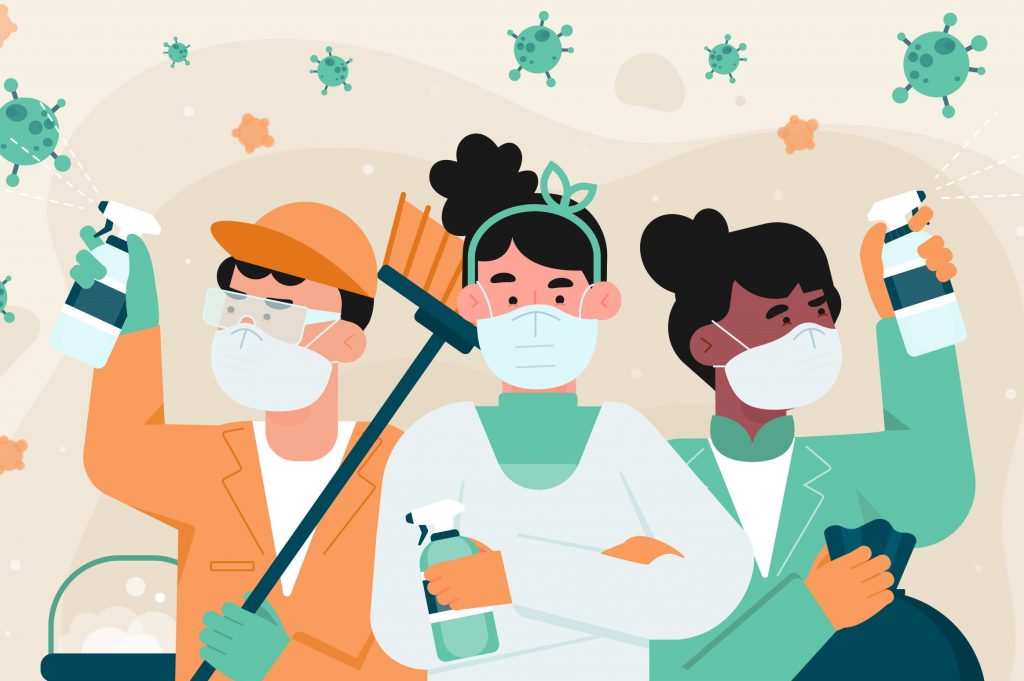
The Unsung Hero: Practices for Disease Defense
Hand hygiene is frequently underestimated, yet it stands as one of the most impactful ways to prevent disease outbreaks. From the simplicity of handwashing to its necessity in healthcare settings, this measure is foundational in reducing infection rates across communities.
1. Routine Practices in Everyday Life
Regular and thorough handwashing acts as a primary non-pharmaceutical intervention. During situations where diseases become rampant, keeping up with hand hygiene becomes a top priority. Studies consistently highlight that deviations in hygiene habits can lead to spikes in infection. Thus, maintaining diligence in handwashing is necessary for reducing the spread of pathogens. It is recommended to use gentle soap and water, followed by proper drying, or an alcohol-based sanitizer when soap is unavailable. This simple act is a cornerstone in everyday personal hygiene that yields significant benefits.
2. Application Across Various Environments
The importance of hand hygiene transcends the domestic sphere. It is crucial in public spaces, travel, and especially healthcare settings. For vacationers, maintaining hygiene is essential, even with preventive strategies in place, as seen in documented cases where lapses have led to outbreaks. In hospitals and clinics, hand hygiene is a critical practice, often stressed to prevent healthcare-associated infections. Such environments must uphold rigorous hygiene standards to safeguard vulnerable populations from emerging threats. Implementing hand hygiene protocols in diverse settings is pivotal in managing disease spread effectively.
3. Considerations for Vulnerable Groups
For susceptible groups, like infants or people with compromised immune systems, maintaining high hygiene standards is non-negotiable. Infants and pregnant women, in particular, are advised to exercise strict hygiene practices. This group is more prone to infections like whooping cough, and thus, public health officials emphasize the necessity of hand hygiene in preventive guidelines. Adhering to strict routines and engaging in thoughtful hygiene practices ensure a healthier environment for those most at risk, highlighting the need for ongoing education and resource allocation to support these measures.
4. Addressing Broader Risk Factors
In regions where water access or sanitary conditions are inadequate, disease risk heightens significantly. Education on hygiene impacts health on a broader scale, especially among youth populations. By instituting practices that advocate for frequent handwashing and improving sanitation infrastructure, communities can see tangible health benefits. Policy initiatives and educational campaigns that promote infrastructure development and behavioral changes can significantly lessen communicable disease burdens. Ensuring resources are well distributed and accessible is essential to achieve these health outcomes, showing the transformative power of consistent hand hygiene.
Oral Health: Beyond Just Dentistry
Dental care often is confined to cosmetic concerns, but maintaining good practices impacts systemic health significantly. Oral health is surprisingly integral to overall well-being, affecting multiple facets of general health.
1. The Connection Between Oral and Overall Health
The mouth serves as an entry point, and poor oral hygiene allows harmful bacteria to enter the bloodstream, increasing the risk for systemic diseases. Correlations exist between periodontal infections and conditions such as heart disease, diabetes, and complications in pregnancy. Addressing oral health effectively involves routine maintenance and professional check-ups. This synergy between oral hygiene and systemic health underlines the wider impacts hygiene can have beyond what is traditionally understood.
2. Preventive Strategies and Education
Prevention remains the best treatment for oral diseases. Educational initiatives play a crucial role in raising awareness about oral health’s importance. Regular brushing, flossing, and professional cleaning are pillars of oral care. Programs that promote these habits contribute to preventing disease on a community level. Dental professionals also endorse comprehensive health instructions, integrating dietary and lifestyle advice to address the broader scope of well-being. This proactive approach can reduce the prevalence of oral-related systemic conditions.
3. Innovative Solutions Enhancing Access
Innovation in dental care is expanding access to preventive services, particularly for remote communities. Advances such as teledental platforms and alternative treatments like silver fluoride applications offer solutions in areas with limited access. These initiatives highlight the importance of resourceful strategies in translating good hygiene practices to underserved regions. By integrating innovative methods with traditional care, a more inclusive healthcare model can emerge, ensuring broader preventative coverage and reducing health disparities.
Protective Equipment in Disease Management
Personal protective equipment (PPE) serves a critical role across various industries, providing a physical barrier that reduces exposure to pathogens. Adequate use of PPE is an essential part of comprehensive hygiene measures.
1. Implementing Effective Use in Healthcare
Healthcare workers are on the front lines, and their safety depends on proper PPE use. Masks, gloves, gowns, and eye protection form the basis of infection control in medical environments. Training on appropriate usage, handling, and disposal is crucial in minimizing contamination risks. Ensuring medical facilities adhere to stringent PPE protocols safeguards both patients and personnel, underscoring the importance of continual assessment and resource allocation. The vulnerability of healthcare settings necessitates meticulous adherence to hygiene standards.
2. Extending to Broader Community Settings
Beyond hospitals, PPE is pivotal in other sectors, including food processing and public transport. These settings pose varied risks, where PPE can mitigate exposure to infectious agents. Community outreach programs and public health guidelines focus on educating and equipping individuals with the knowledge and tools necessary for proper PPE usage. Initiatives that offer accessible PPE, especially in high-density or economically challenged areas, help maintain a unified public health approach. The adaptive use of PPE underlines its continued relevance across diverse scenarios.
3. Innovations Improving Effectiveness
Advances in PPE design are enhancing functionality and comfort, while innovations ensure broader access and affordability. Reusable and more durable materials, alongside developments in filtration technology, are setting new standards. The introduction of smart PPE with integrated sensors for real-time monitoring represents a shift towards smarter disease control measures. These enhancements ensure that PPE remains an essential component of comprehensive hygiene strategies, optimizing protection while encouraging widespread acceptance and adherence.
Environmental Hygiene as a Pillar of Health
Ensuring clean environments extends beyond immediate personal spaces to facilities, public venues, and broader environmental factors that affect health.
1. Importance of Air Quality
The air we breathe has profound implications for health, requiring management of pollution and airborne pathogens. Indoor air quality improvements through better ventilation and filtration can reduce disease transmission in offices, homes, and public venues. Innovative practices in architectural design emphasize air purification, which becomes increasingly significant in densely populated urban areas. Addressing air quality holistically supports related hygiene strategies, helping communities better confront challenges posed by airborne diseases.
2. Waste Management and Sanitation
Proper waste disposal and sanitation are cornerstones of environmental hygiene. Inadequate systems contribute to the proliferation of diseases, particularly in impoverished regions. Municipalities focus on efficient waste management practices as part of broader public health initiatives. Proper sanitation services, combined with educational outreach on hygiene behaviors, form critical interventions that promote general public health. These efforts resonate in developing infrastructure that empowers communities with sustainable hygienic solutions.
3. Technological Approaches to Environmental Hygiene
Technological advancements bring forth novel opportunities for enhancing environmental hygiene. Automated surface disinfectants, UV sanitization, and digital monitoring systems offer solutions to control potential infection points. Integration of these technologies into existing frameworks supports a sustainable approach, ensuring adaptability and effectiveness. Collaboration between private and public sectors in deploying such technologies bridges gaps in hygiene infrastructure, enhancing overall living conditions.
By understanding and integrating these diverse hygiene practices, societies can foster healthier communities. The emphasis on comprehensive disease prevention extends beyond traditional sanitation measures, encompassing technological innovations, education, and systemic improvements that support long-term public health.
Q&A
-
What are the key steps for effective handwashing and sanitation?
Effective handwashing involves several key steps: wetting your hands with clean, running water, applying soap, lathering your hands by rubbing them together with the soap, scrubbing all surfaces of your hands (including the backs of your hands, between your fingers, and under your nails) for at least 20 seconds, rinsing your hands well under clean, running water, and finally drying your hands using a clean towel or air drying them. Sanitation also includes ensuring that all surfaces and objects that come into contact with your hands are regularly cleaned and disinfected.
-
How does proper oral hygiene contribute to overall health?
Proper oral hygiene, including regular brushing and flossing, helps prevent the buildup of plaque, which can lead to cavities, gum disease, and bad breath. Furthermore, good oral hygiene has been linked to the prevention of more serious conditions, such as heart disease, diabetes, and respiratory infections. This is because the mouth can serve as a gateway for bacteria to enter the bloodstream, potentially causing or exacerbating systemic health issues.
-
Why is personal protective equipment (PPE) important in healthcare settings?
Personal protective equipment (PPE) is crucial in healthcare settings to protect both healthcare workers and patients from the transmission of infections. PPE, including gloves, masks, gowns, and eye protection, acts as a barrier against infectious agents that can be transmitted via blood, bodily fluids, and airborne particles. Proper use and disposal of PPE are vital to ensure its effectiveness in preventing the spread of diseases.
-
What are some best practices for ensuring food safety at home?
To ensure food safety at home, it is important to follow several best practices: keep raw and cooked foods separate to prevent cross-contamination, cook foods to the appropriate internal temperature to kill harmful bacteria, refrigerate perishable foods promptly, wash hands and surfaces often, and stay informed about food recalls and safety alerts. Additionally, understanding food labels and expiration dates can help in making safe food choices.
-
How can individuals protect themselves from airborne diseases?
Protecting oneself from airborne diseases involves several strategies, such as maintaining good ventilation in indoor spaces, wearing masks in crowded or high-risk areas, practicing respiratory hygiene by covering mouth and nose with a tissue or elbow when coughing or sneezing, and keeping a safe distance from individuals who are visibly ill. Vaccinations and staying informed about public health recommendations also play a significant role in airborne disease prevention.
-
What are some essential tips for maintaining skin care hygiene?
Essential tips for maintaining skin care hygiene include regularly washing your skin with a gentle cleanser to remove dirt and excess oils, using moisturizers to maintain skin hydration, applying sunscreen to protect against UV damage, and avoiding touching your face with unwashed hands to prevent the spread of bacteria. Additionally, choosing skin care products that suit your skin type can help in preventing irritation and maintaining overall skin health.