
Italy’s culinary landscape offers a delightful array of flavors, from age-old recipes to modern innovations. Each region boasts unique specialties, celebrating local ingredients and distinct traditions. Exploring these delights reveals a vibrant mosaic of tastes that continue to captivate palates worldwide, merging history with contemporary dining experiences.
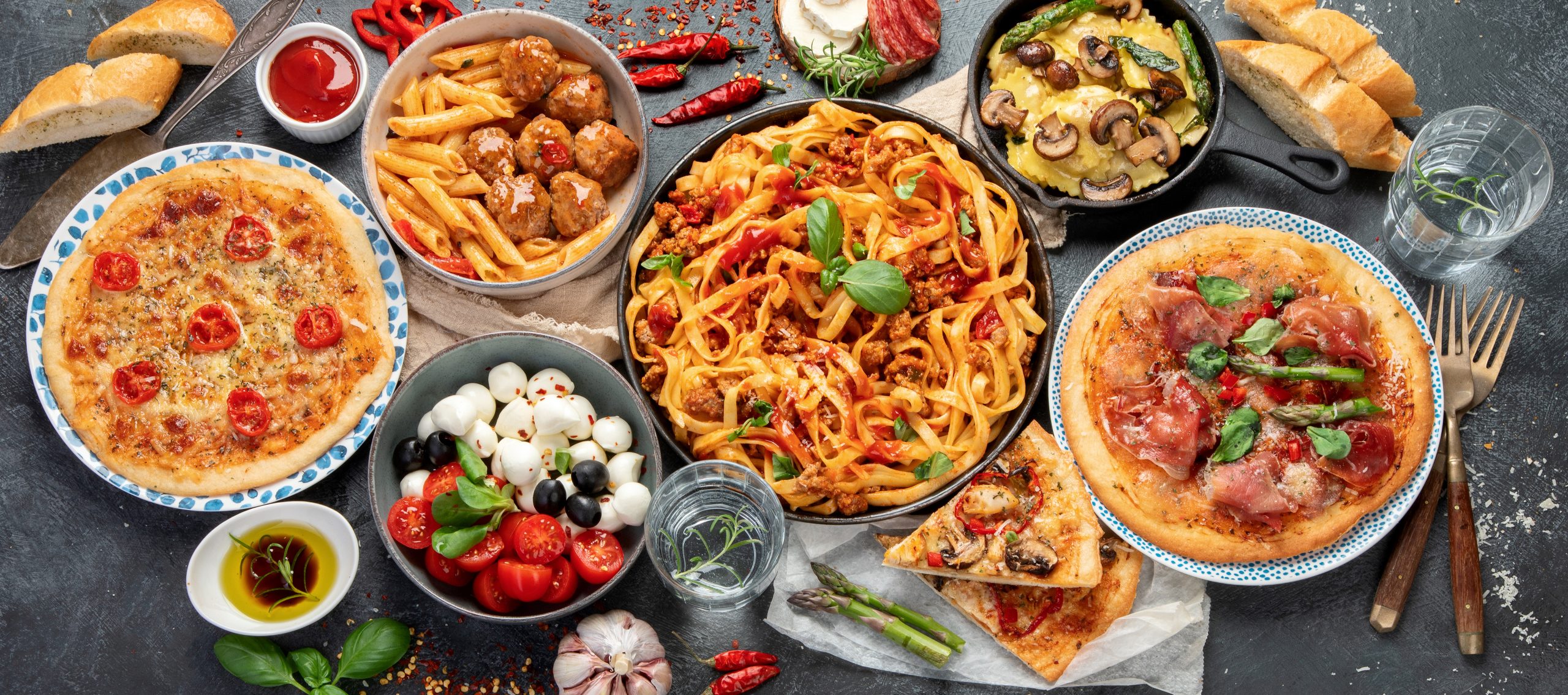
The Pasta Heritage: Exploring Italy’s Iconic Culinary Element
A Symphony of Shapes and Sauces
A staple in Italian cuisine, pasta comes in myriad forms and each type has its own story, dictated often by the landscape and culinary traditions of its region. This variety is part of why pasta maintains its popularity, offering a canvas for creativity and local flair.
For instance, the northern region of Liguria is renowned for its Trofie al Pesto, made from twisted pasta and bathed in a sauce of fresh basil, pine nuts, and rich cheese. This dish reflects Liguria’s abundance of aromatic herbs. Traveling south to Naples, Spaghetti alle Vongole stands out, a testament to its coastal lineage with clams nestled in a fragrant blend of garlic and olive oil.
Each pasta shape has its preferred sauce pairings. Tagliatelle from Bologna meets its match with a slow-cooked ragù, revealing the region’s emphasis on hearty, robust flavors. Meanwhile, the ear-shaped Orecchiette of Puglia is traditionally paired with bitter greens like broccoli rabe, offering a concoction that is both rustic and refined.
Lastly, Gnocchi alla Sorrentina offers soft potato dumplings dressed in a comforting tomato and mozzarella sauce—an illustration of the simplicity yet depth that Italian cuisine can embody. This breadth exemplifies the adaptability of pasta, showcasing how regional specialties contribute to Italy’s rich culinary tapestry.
The Cultural Heart of Italy
Pasta transcends simple sustenance in Italy—it’s a cultural fixture that features prominently in both daily life and festive occasions. Family recipes, often closely guarded secrets, are passed down, ensuring a generational continuity that ties past to present.
Families bond over the preparation and consumption of these meals, strengthening connections through shared culinary heritage. This treasured practice is a hallmark of Italian culture, underscoring the importance of communal dining. Regional pride is also evident as different areas boast their pasta specialties, symbols of their distinct identity and flavor profiles.
The simplicity of Cacio e Pepe from Rome, using just pasta, Pecorino cheese, and black pepper, underscores the elegance found in Italian cooking. Similarly, Risotto alla Milanese, even as a non-pasta dish, highlights the subtle yet sophisticated use of saffron in Milan. Both emphasize pasta’s integral role in culinary expressions across Italy.
Unveiling the Secrets of Italian Sauces
The Essence of Italian Sauces: Freshness and Simplicity
The hallmark of Italian sauce-making is undoubtedly its commitment to quality and the integrity of its ingredients. Chefs prioritize premium, often locally sourced components such as ripe tomatoes and fragrant basil, ensuring that each mouthful bursts with natural flavor.
This minimalist approach is a cornerstone of Italian cooking, allowing the ingredients to take center stage. Seasonings enhance rather than overwhelm, creating balanced profiles that highlight the true essence of the sauce. Sun-ripened tomatoes and robust olive oil form the foundation of many classic sauces, serving up a taste of the Mediterranean in every bite.
Regional Variations: A Culinary Map of Italy
Italy’s diverse climates and cultures result in a fascinating array of sauce variations, each offering a taste of its origin. Northern choices like cream-infused sauces reflect the region’s rich dairy tradition, while southern varieties often lean on tomatoes and chilies.
Pesto Genovese from Liguria stands as a testament to the region’s herb-filled hills, while Arrabbiata from Lazio embodies the spicy zest of central Italy. These distinct sauces offer a culinary tour of the country, introducing subtle flavor nuances shaped by regional practices and ingredient availability.
The Art of Slow Cooking: Developing Depth of Flavor
Patience plays a crucial role in crafting a truly exceptional Italian sauce. The slow cooking process coaxes out deep, rich flavors as ingredients blend and evolve. This method allows the natural sugars in tomatoes to caramelize and herbs to fully infuse, creating a symphony of taste that captivates the senses.
This attention to detail is a testament to the love and care central to Italian cooking. A sauce simmered to perfection speaks volumes about the artisanal dedication inherent in Italian culinary tradition.
From Wood-Fired Ovens to World Fame: The Pizza Legend Lives On
The Art of Wood-Fired Pizza
At the heart of authentic pizza lies the wood-fired oven, imparting an unparalleled flavor and texture. The high temperatures achieve the perfect balance: a crisp yet airy crust with flavorful, molten toppings.
This rapid cooking method ensures the preservation of fresh ingredients’ integrity, highlighting their natural flavors. The interplay of scorching heat and rustic preparation transforms simple components into gastronomic delights, cementing wood-fired pizza’s place in culinary tradition.
From Naples to the World
Pizza’s origins trace back to Naples, a city synonymous with this quintessential dish. Initially a street food staple for Neapolitan workers, it evolved, gaining popularity as a symbol of Italian culinary prowess and charm.
The basic combination of dough, tomatoes, cheese, and olive oil transcended borders, finding a universal appeal in its simplicity and adaptability. This globalization has transformed pizza into a canvas for cultural exchange, with myriad variations now enjoyed worldwide.
Liquid Gold: Unpacking the Wonders of Olive Oil
The Essence of Italian Cooking
Olive oil’s role in Italian cooking extends beyond its use as a cooking fat; it is integral to the flavor profile of many dishes. Its pungent, fruity aroma and velvety texture elevate simple ingredients to extraordinary heights. From drizzling over fresh tomatoes and basil to enriching pastas and breads, olive oil provides a rich, aromatic foundation for savory creations.
Italian classics like Caprese salad and Spaghetti alle Vongole owe much of their appeal to quality olive oil, which unites flavors and enhances overall harmony. This centrality speaks to olive oil’s status as an indispensable component of Italian culinary tradition.
Production and Quality
Producing high-quality olive oil involves meticulous attention to detail and a deep understanding of traditional methods. Cold-pressing techniques allow the oil to retain its rich nutrients and robust character, achieving an unmatched taste and aroma profile.
Legislative measures safeguard the quality and authenticity of extra virgin olive oil, ensuring producers maintain high standards. This level of quality assurance provides consumers with an authentic taste of Italian olive oil, confirming its iconic status within global cuisine.
Health Benefits and Culinary Uses
Olive oil is not only celebrated for its culinary applications but also for its substantial health benefits. Rich in monounsaturated fats and antioxidants, it supports heart health and offers anti-inflammatory properties, reinforcing its reputation as a staple of the Mediterranean diet.
Used for cooking, dressing, and preserving, olive oil’s versatility is a testament to its integral role in Italian gastronomy. As a preserver, it enhances shelf life while imparting depth and complexity to ingredients.
Sweet Endings: Discovering Italy’s Irresistible Desserts
Tiramisu: A Layered Delight
Tiramisu, an elegant dessert with a name meaning “pick-me-up,” captivates with its blend of taste and texture. Its layers of coffee-soaked ladyfingers, luscious mascarpone cream, and a dusting of cocoa create a symphony of flavors.
This treat speaks to Italy’s flair for creating desserts that balance simplicity and sophistication. Through its harmonious interplay of sweet and bitter notes, tiramisu offers a quintessential bite of Italian delight, embodying both comfort and elegance.
Gelato: A Creamy Frozen Treasure
Gelato, Italy’s answer to ice cream, distinguishes itself with its dense texture and vivid flavors. The lower fat content and slower churning process yield a treat that is richly satisfying and deeply flavorful.
Beloved for its array of classic and innovative flavors, gelato presents a taste of Italy in every scoop. Whether one opts for the robust notes of pistachio or the delicate essence of fresh fruits, gelato offers a refreshing break from the ordinary, inviting exploration through flavor.
Panna Cotta: A Silky Smooth Classic
Panna cotta, translating to “cooked cream,” epitomizes the beauty of simplicity with its smooth texture and subtle aroma. This dessert invites embellishment, whether it is with a fruit coulis or a caramel drizzle, achieving a balance that captivates both the palate and the eyes.
Ultimately, panna cotta showcases Italy’s mastery of transforming humble ingredients into culinary art, offering a serene yet luxurious conclusion to any meal.
Q&A
-
What are some popular varieties of pasta found in Italian cuisine?
Italian cuisine boasts a diverse range of pasta varieties, each with unique shapes and textures. Popular types include spaghetti, known for its long, thin strands; penne, characterized by its tubular shape; fettuccine, flat and thick strips ideal for rich sauces; and farfalle, also known as “bow-tie” pasta. Each variety is crafted to pair with specific sauces, enhancing the dining experience.
-
What are the traditional sauces used in Italian cooking, and how do they complement different dishes?
Traditional Italian sauces are integral to the cuisine, with classics like marinara, a tomato-based sauce often used with spaghetti; Alfredo, a creamy sauce best paired with fettuccine; and pesto, made from basil, pine nuts, and olive oil, ideal for trofie pasta. These sauces not only add flavor but also highlight the textures and ingredients of the dishes they accompany.
-
How did pizza originate, and what is its significance in Italian culinary history?
Pizza originated in Naples, Italy, in the late 18th century as a humble dish for the working class, topped with tomatoes, cheese, and other available ingredients. Its popularity surged globally, becoming a symbol of Italian cuisine. The Margherita pizza, featuring tomatoes, mozzarella, and basil, represents the Italian flag’s colors and remains a classic worldwide.