
In today’s fast-paced world, transforming eating habits is essential for maintaining health and vitality. Embracing nutrient-rich foods alongside strategic combinations not only supports optimal physical function but also enhances the body’s natural defenses, offering a pathway to well-being and a vibrant lifestyle.
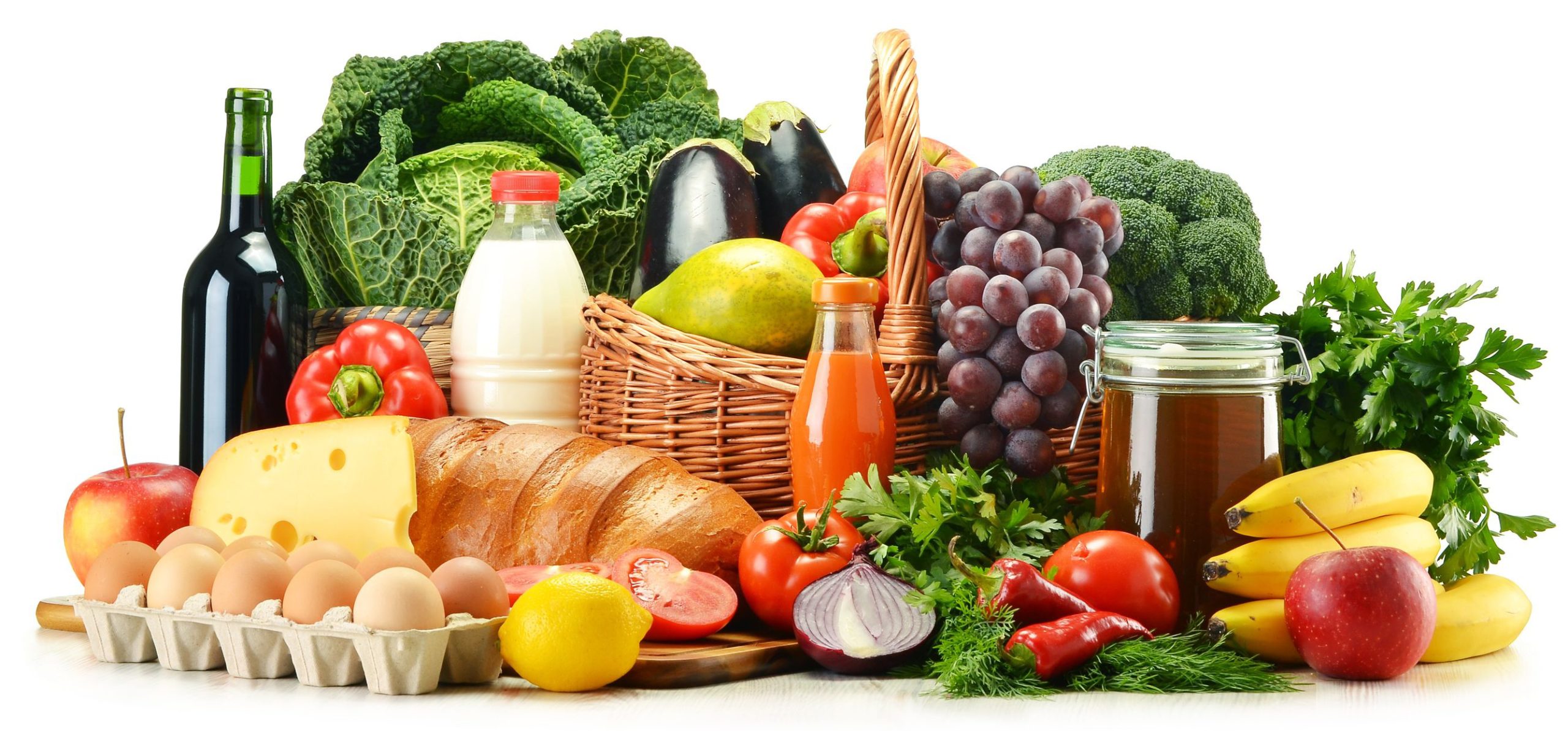
The Science of Synergy: How Food Combinations Boost Nutrient Absorption
It’s not just about what you eat, but how you eat it! The way you combine different foods can have a surprisingly big impact on how well your body absorbs their valuable nutrients. Think of it like a team working together – some foods play off each other perfectly, unlocking hidden potential and maximizing benefits. This is the fascinating science of food synergy.
Enhancing Iron Absorption
Iron is essential for energy levels and a healthy immune system. However, the type of iron found in plant-based foods (non-heme iron) isn’t as easily absorbed as the iron from animal sources. But don’t worry, there’s a simple fix! Pair iron-rich foods like spinach or lentils with a source of vitamin C, such as lemon juice, bell peppers, or broccoli. The vitamin C acts as a key, unlocking the iron and making it much easier for your body to use. Imagine squeezing a little lemon on your spinach salad – a simple step that can significantly boost iron uptake.
Boosting Lycopene Bioavailability
Lycopene, a powerful antioxidant found in tomatoes, is known for its potential to protect against certain health issues. To get the most out of this vibrant nutrient, enjoy your tomatoes with healthy fats like olive oil or avocado. The fat helps your body absorb the lycopene more effectively. Think of a classic Caprese salad – the combination of tomatoes, mozzarella (which contains some fat), and olive oil is a delicious and nutritious way to maximize lycopene benefits. Roasting tomatoes with a drizzle of olive oil is another fantastic option.
Amplifying Turmeric’s Anti-Inflammatory Power
Turmeric, a vibrant yellow spice, is celebrated for its anti-inflammatory properties, thanks to a compound called curcumin. However, curcumin on its own isn’t easily absorbed by the body. This is where black pepper comes to the rescue! Black pepper contains piperine, a compound that dramatically increases the bioavailability of curcumin. A pinch of black pepper can significantly enhance the anti-inflammatory effects of turmeric. Consider adding both turmeric and black pepper to your curries, smoothies, or even scrambled eggs for a powerful health boost.
The Gut Microbiome and Seasonal Eating
Our gut is home to trillions of bacteria, collectively known as the gut microbiome. This complex ecosystem plays a vital role in digestion, immunity, and overall health. Interestingly, the composition of our gut microbiome can be influenced by the seasons and the foods we eat. For example, diets rich in fiber, often consumed during certain harvest seasons, can promote a more diverse and beneficial gut microbiome.
Synbiotic Power: Fermented Foods and Fiber
Fermented foods like yogurt, kefir, and sauerkraut are packed with probiotics – beneficial bacteria that support gut health. When you combine these probiotic-rich foods with fiber-rich foods like fruits, vegetables, and whole grains, you create a synbiotic effect. The fiber acts as fuel for the probiotics, helping them thrive and further enhance gut health and immunity. Think of adding berries to your yogurt or enjoying sauerkraut as a side dish with a whole-grain meal. This synergistic combination is a powerful way to nourish your gut and boost overall well-being.
The Power Trio: Superfoods, Supplements, and Hydration in Meal Planning
Let’s talk about meal planning and how to incorporate powerful food choices into your daily routine for maximum health benefits.
Strategic Supplementation
While a balanced diet should be the primary source of nutrients, supplements can play a crucial role in addressing specific deficiencies or supporting particular health needs. For example, individuals with limited sun exposure might benefit from vitamin D supplements, while those with dietary restrictions may need vitamin B12 supplementation.
It’s essential to consult with a healthcare professional or registered dietitian before starting any supplement regimen to ensure it aligns with your individual needs and doesn’t interact with any medications you may be taking.
The Importance of Hydration
Water is essential for virtually every bodily function, from nutrient transport to temperature regulation. Staying adequately hydrated is crucial for maintaining energy levels, supporting digestion, and promoting overall health.
Aim to drink plenty of water throughout the day, and consider including hydrating foods like watermelon, cucumber, and celery in your diet. Listen to your body’s thirst cues and adjust your fluid intake accordingly.
Meal Planning with Superfoods in Mind
Incorporating superfoods into your meal planning doesn’t have to be complicated. Start by identifying a few superfoods that you enjoy and find easy to incorporate into your favorite meals. For example, you could add spinach to your morning smoothie, sprinkle chia seeds on your oatmeal, or include a side of roasted vegetables with your dinner. Small changes can make a big difference in your overall nutrient intake.
Vitamins, Minerals, and Superfoods: Crafting a Balanced Nutrition Plan
Creating a balanced nutrition plan involves understanding the role of vitamins and minerals, and how specific foods can help meet your nutritional needs.
Understanding Essential Vitamins and Minerals
Vitamins and minerals are essential micronutrients that play a crucial role in various bodily functions. Vitamin C, for example, is important for immune function and collagen production, while calcium is essential for bone health.
A balanced diet that includes a variety of fruits, vegetables, whole grains, and lean proteins should provide most of the vitamins and minerals you need. However, certain individuals may require supplementation to address specific deficiencies.
Identifying Nutrient-Rich Foods for Your Needs
Different foods offer different combinations of vitamins, minerals, and antioxidants. It’s important to choose foods that align with your individual needs and health goals. For example, if you’re looking to boost your iron intake, consider incorporating spinach, lentils, or fortified cereals into your diet. If you’re concerned about inflammation, focus on foods like avocado, ginger, and turmeric.
Practical Tips for Incorporating Superfoods into Your Daily Diet
- Start Small: Don’t try to overhaul your entire diet overnight. Instead, focus on adding one or two superfoods to your meals each day.
- Experiment with Recipes: Explore new recipes that feature nutrient-rich foods and find creative ways to incorporate them into your favorite dishes.
- Make it Convenient: Keep superfoods readily available by stocking your pantry and refrigerator with healthy options.
- Listen to Your Body: Pay attention to how different foods make you feel and adjust your diet accordingly.
- Consult a Professional: If you have specific health concerns or dietary restrictions, consult with a registered dietitian or healthcare professional for personalized guidance.
By understanding the power of various foods, the importance of vitamins and minerals, and the need for adequate hydration, you can unlock the secrets to a balanced and healthy lifestyle. Remember that small, consistent changes can lead to significant improvements in your overall well-being.
Q&A
-
What is a balanced diet and why is it important?
A balanced diet is one that provides the right proportions of carbohydrates, proteins, fats, vitamins, and minerals necessary to maintain optimal health. It is important because it ensures that the body receives all the essential nutrients it needs to function properly, support growth, repair tissues, and maintain energy levels. A balanced diet can also help prevent chronic diseases such as obesity, heart disease, and diabetes.
-
How do vitamins and minerals contribute to overall health?
Vitamins and minerals are crucial micronutrients that play significant roles in maintaining health. Vitamins like A, C, and E act as antioxidants, protecting cells from damage. B vitamins are essential for energy production and brain function. Minerals such as calcium and magnesium are vital for bone health, while iron is crucial for oxygen transport in the blood. Deficiencies in these nutrients can lead to various health issues, underscoring their importance in a balanced diet.
-
What are superfoods, and how do they fit into a balanced diet?
Superfoods are nutrient-rich foods considered beneficial for health and well-being. Examples include berries, nuts, seeds, leafy greens, and fatty fish. They are packed with antioxidants, vitamins, and minerals, making them an excellent addition to a balanced diet. Incorporating superfoods can enhance nutritional intake, support immune function, and reduce the risk of chronic diseases, complementing other dietary elements.
-
When should dietary supplements be considered?
Dietary supplements should be considhttps://health.clevelandclinic.org/balanced-dietered when an individual’s diet may not provide sufficient nutrients due to dietary restrictions, health conditions, or increased nutritional needs. For example, vegetarians might need B12 supplements, while those with limited sun exposure may require vitamin D. However, it’s essential to consult a healthcare provider before starting any supplements, as excessive intake can lead to adverse effects.
-
Why is hydration important, and how can one ensure proper hydration?
Hydration is vital for maintaining bodily functions, including temperature regulation, joint lubrication, and nutrient transport. Proper hydration can be ensured by drinking sufficient water throughout the day, consuming water-rich foods like fruits and vegetables, and adjusting fluid intake based on physical activity and environmental conditions. Monitoring urine color can also be a practical way to gauge hydration levels, with pale yellow indicating adequate hydration.