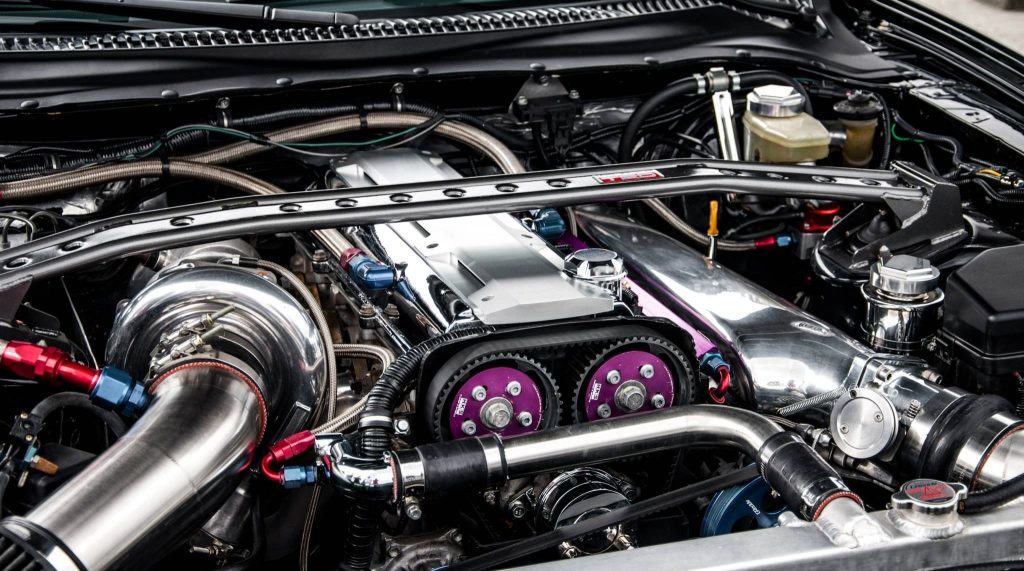
From the nostalgic revival of bygone automotive masterpieces to the cutting-edge allure of modern electric innovations, the dynamics within this realm captivate an ever-diverse crowd. Enthusiasts revel in the transformation, driven by technological advancements and community-driven passions, crafting an intricate tapestry of interconnected experiences.
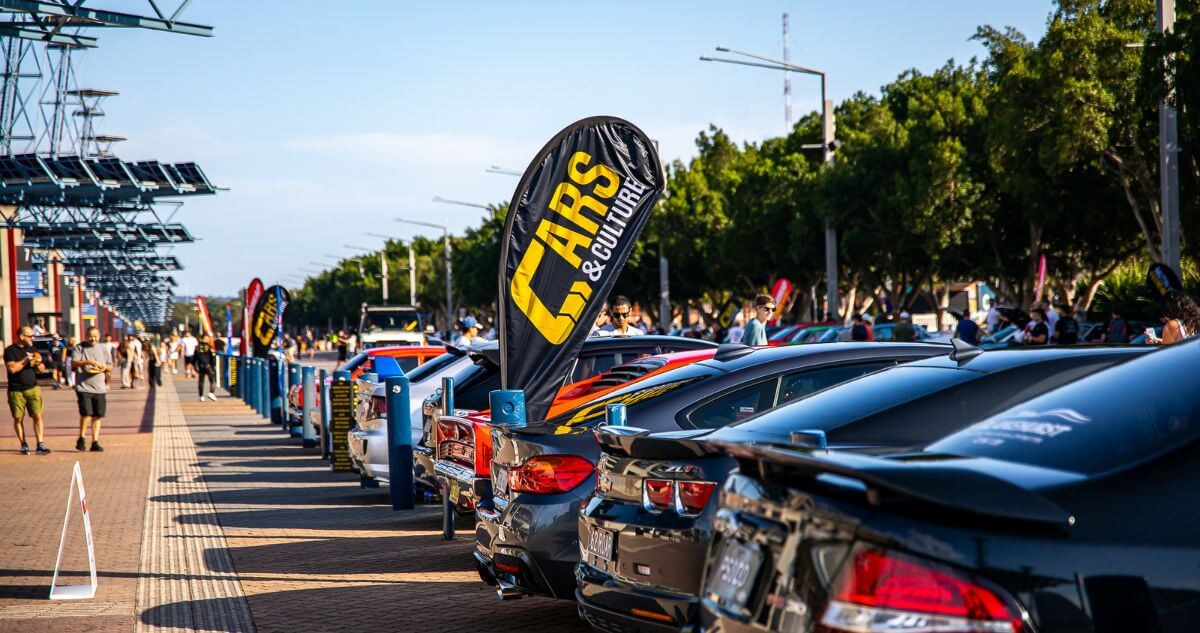
The Intersection of Tradition and Modernity in Automotive Design
The automotive world is on the cusp of a profound evolution, with classic car enthusiasts and technology pioneers alike seeking to define the new age of motoring. At the heart of this lies the delicate balance between retaining the charm of traditional designs and embracing cutting-edge technology for a sustainable future.
1. Redefining Classics with Modern Technology
The reinterpretation of vintage vehicles with modern technology offers a captivating blend of old-world charm and new-age efficiency. A prime example is the movement towards electrifying classic cars, breathing new life into them while making them eco-friendlier.
In Britain, engineers are crafting vehicles like the lightweight electric sports cars, which recall the golden era of motoring in terms of design but sport high-efficiency electric powertrains. The integration of electric motors doesn’t just redefine performance but transforms the classic cars into sustainable icons for the future. Such adaptations allow car owners to enjoy the performance of contemporary vehicles while indulging in their vintage aesthetics.
2. Embodying Technology in Modern Design
On the other side of the spectrum, modern vehicles are being designed to capture nostalgic essence while leveraging today’s technology. Manufacturers are designing EVs that not only offer high performance but also include features that simulate the driving experience of traditional cars. This includes the incorporation of elements like simulated engine sounds and manual-like gear shifts, aimed at offering a familiar experience to motorheads transitioning from conventional cars.
The fusion of these two worlds is emblematic of broader trends in the automotive industry that aim not only to reduce environmental impacts but to honor the traditions and emotional connections that many drivers have with their vehicles.
Craftsmanship and Innovation: Reimagining Personalization
The yearning for uniqueness in the automobile realm is a powerful force driving modern personalization trends. Craftsmanship and innovation are at the core of this movement, allowing enthusiasts to embody their personal tastes while embracing new capabilities.
1. New Frontiers in Customization
Today’s motorists are no longer satisfied with out-of-the-box vehicles. There’s a growing inclination towards customization, where every component, from aesthetics to performance parts, can be tailored to reflect the individual’s style. Social media plays a pivotal role in this trend, providing a platform for enthusiasts to showcase their uniquely personalized rides and to draw inspiration from a global community.
In addition to visual modifications, many are opting for technological enhancements that improve the performance and convenience of their vehicles. This surge in personalization signifies a cultural shift towards bespoke design, where personal identity and automotive innovation go hand in hand.
2. Electrification and Customization
As electric vehicles become mainstream, the scope for personalization extends into the realms of eco-friendly options. Owners are seen adapting their EVs not only for performance but also to reflect sustainability values. Popular alterations include tech integrations that enhance battery efficiency and aesthetic modifications that are eco-conscious, utilizing recycled materials and sustainable processes.
This trend is indicative of how personalization is being redefined in the context of sustainability, appealing to a new generation of environmentally conscious drivers eager to display their commitment to ecological responsibility through their vehicle choices.
Community Vitality and Automotive Experience
Car clubs and gatherings provide a vibrant stage for car enthusiasts to foster relationships, exchange knowledge, and indulge in their shared passion for the automotive world. These social interactions are central to the enduring spirit of car culture.
1. The Thriving Influence of Car Collectives
Local and international car clubs hold an essential place in cultivating a sense of community among automobile aficionados. By organizing events, meetings, and drives, these groups offer the perfect venue for enthusiasts to bond over their shared interests. Car shows, often featuring a diverse range of models from meticulously restored vintage vehicles to heavily customized modern cars, play a critical role in the tapestry of car culture.
These gatherings not only highlight the diversity within the automotive world but also foster a sense of belonging and mutual respect among members. They act as hotbeds for knowledge exchange, where restoration techniques, customization trends, and sustainable practices are freely discussed and shared.
2. Celebrating through Shows and Events
Automotive events and car shows are the lifeblood of cultural interactions in the car industry. These events provide a stage for enthusiasts to exhibit their prized possessions, network with like-minded individuals, and participate in competitions that celebrate automotive excellence and creativity.
The allure of these gatherings lies in the wide array of exhibits—from classic restorations to innovative customizations—and the unique stories behind each vehicle. They offer fans a firsthand look at the evolution of car culture, emphasizing both historical significance and future potential.
Endless Journeys: Exploring the Heartbeat of Car Enthusiasts
To car enthusiasts, the journey is often as treasured as the destination. Road trips and restorations are integral to the car culture experience, offering routes to adventure and ways to reconnect with automotive heritage.
1. The Freedom and Discovery of the Open Road
Road trips have long represented the quintessential experience for driving aficionados, providing an unmatched sense of liberation and exploration. The tradition of hitting the highway for an extended voyage allows for deeper vehicular immersion and a greater appreciation of landscape and machine alike.
Spontaneous detours and chance discoveries on the road enrich the travel experience, adding an element of surprise to the journey. These adventures on wheels ignite a bond between the driver and vehicle, fostering an appreciation for the car’s capabilities and nuances.
2. Restoration: A Dedication to Preservation
Restorations forever highlight the enduring devotion to preserving automotive history. These projects are labors of love requiring considerable patience, technical skill, and an appreciation for craftsmanship. By breathing new life into classic models, enthusiasts keep the legacy of these icons alive for future generations to enjoy and cherish.
Technical challenges often arise during restorations, demanding deep knowledge or insights usually shared within car communities. Through these projects, enthusiasts not only safeguard automotive heritage but also impart valuable skills and insights, further enriching the cultural fabric.
3. Merging Traditions with Modern Innovations
The seamless integration of road trips and restorations with modern innovations charts a new course for car culture. Sustainable driving practices and eco-conscious restorations reflect the evolving consciousness of car enthusiasts who wish to merge tradition with modern environmental responsibilities.
From plotting sustainable road trips in electric vehicles to restoring classic cars with a focus on eco-friendly materials, the blending of old and new opens avenues for deeper appreciation and engagement. The experience of driving or restoring becomes enriched, aligning the quests for adventure and preservation with a commitment to sustainability.
By marrying the elegance of restoration with the ambition of eco-friendly innovation, car culture is poised to inspire both current and future generations, ensuring that the love for automobiles continues to evolve without losing its foundational essence.
Q&A
-
What are some well-known international car events where enthusiasts can admire classic-car restoration work?
Among the world’s most celebrated automotive gatherings are the Festival of Speed held on a historic estate circuit and the prestigious seaside Concours d’Elegance; both attract restorers from every continent and display immaculately revived vintage machines for visitors to enjoy.
-
How has the trend in car customization evolved in recent years?
In recent years, car customization trends have shifted towards a focus on sustainability and technology integration. Enthusiasts are now incorporating eco-friendly materials and electric powertrains into their custom builds. Additionally, advanced tech features such as smart infotainment systems and autonomous driving capabilities are becoming increasingly popular among custom car projects.
-
What role do car clubs play in the motorsports community?
Car clubs play a crucial role in the motorsports community by providing a platform for like-minded individuals to connect, share knowledge, and participate in events. These clubs often organize track days, rallies, and social gatherings, fostering a sense of camaraderie among members while promoting motorsport activities and education.
-
What should be considered when planning a road trip with a classic car?
When planning a road trip with a classic car, it is important to consider factors such as the vehicle’s mechanical condition, availability of spare parts, and potential breakdown scenarios. Ensuring the car is well-maintained and carrying essential tools and spare parts can help prevent issues on the road. Additionally, planning the route with consideration for fuel stops and accommodations that cater to classic car needs is advisable.
-
How do motorsports events contribute to the automotive industry?
Motorsports events contribute significantly to the automotive industry by driving innovation and showcasing technological advancements. These events provide manufacturers with a testing ground for new technologies and materials, which often trickle down to consumer vehicles. Furthermore, motorsports events generate substantial economic activity and boost brand visibility, supporting the overall growth of the industry.