
In today’s automotive landscape, cutting-edge technology seamlessly fuses remarkable force with agility, creating unforgettable driving experiences tailored for each enthusiast. As vehicles evolve, they skillfully integrate essential elements to offer unparalleled performance and efficiency, setting a new benchmark for the future of motoring.
Efficiency on the Edge: Balancing Speed and Sustainability
Modern vehicles demonstrate that thrilling performance does not preclude environmental responsibility. By weaving together lightweight materials, hybrid systems, and optimized designs, car manufacturers are crafting vehicles that exemplify the ideal union of speed and sustainability.
Hybrid Powertrains: A Symphony of Power and Economy
Hybrid technology marks a pivotal transition in the automotive industry, aligning performance with ecological stewardship. By blending electric motors with internal combustion engines, hybrids achieve remarkable acceleration while minimizing fuel use.
Electric motors offer instant torque, greatly enhancing responsiveness. This instant power delivery is particularly advantageous in heavier vehicles like SUVs, where electric motors assist the combustion engine during strenuous efforts such as climbing hills or merging on highways. Regenerative braking is another hallmark of hybrids, capturing kinetic energy during deceleration and converting it back to electrical energy. This not only extends the vehicle’s driving range but also conserves the mechanical brakes, reducing wear.
Through intelligent management, hybrid systems seamlessly shift between electric and engine power, optimizing efficiency across varying conditions. For instance, vehicles can operate solely on electric power in urban traffic, significantly cutting emissions and promoting a quieter drive.
Lightweighting: Shedding Pounds for Performance and Sustainability
Reducing a vehicle’s mass is a central strategy for enhancing both agility and fuel economy. Lightweight cars accelerate swifter, react better, and demand less energy to propel.
The ascent of carbon fiber exemplifies a revolution in vehicle construction. Known for its robust yet lightweight properties, carbon fiber is replacing heavier materials like steel, enabling drastic reductions in vehicle weight. This results in cars that not only consume less fuel but also offer a more exhilarating drive thanks to improved handling and responsiveness. Additionally, this reduction in weight contributes to reduced braking distances, improving safety. By lessening energy needs, lightweighting advances sustainable motoring, resonating with the push for eco-friendly transportation.
Advanced Battery Technology: Powering the Future of Electric Vehicles
Electric vehicles are at the cutting edge of modern transportation, and innovations in battery technology are pivotal to their capability and attractiveness.
Solid-state batteries represent a significant leap forward with higher energy densities, quicker charging, and superior safety compared to traditional lithium-ion constructions. This development extends driving ranges and decreases charging inconveniences. Ultra-fast charging developments further diminish these barriers, allowing EVs to regain substantial range within minutes, addressing a frequent consumer concern about charging times.
Moreover, thermal management systems remain critical, as they preserve optimal battery performance in diverse climates, thus ensuring efficiency and extending battery lifespan. These advancements indicate a promising trajectory towards mainstream EV adoption.
Aerodynamic Efficiency: Slipping Through the Air with Ease
Streamlined designs that reduce wind resistance are crucial in achieving both speed and efficiency. By refining vehicle shapes and incorporating aerodynamic augmentations such as spoilers, manufacturers considerably cut down drag, the force counteracting the car’s forward motion.
With reduced air resistance, vehicles display improved fuel efficiency, particularly at high speeds, whereby engines face less burden. Stability also benefits from such designs, as spoilers generate downforce, keeping cars gripped to road surfaces and enhancing handling at high velocities. This aerodynamic focus signifies a vast advance in making high-speed journeys both efficient and exhilarating.
Intelligent Software: Optimizing Performance in Real-Time
Advanced vehicle software plays a vital role in performance management and optimization, adapting dynamically to driving conditions and user demands.
Sophisticated predictions fuel dynamic range estimation, allowing drivers to make informed decisions about their routes and power consumption. Route optimization software sifts through data to suggest journeys that conserve fuel, a crucial feature in traffic-prone urban environments. Systems like adaptive cruise control further refine this process, fostering fuel-saving driving habits through smoother, more consistent speed management.
Together, these technologies illustrate how software integration challenges previous vehicle dynamics paradigms, hinting at an era where real-time adaptiveness becomes standard for performance excellence.
From Torque to Turbo: Navigating the Dynamics of Car Performance
Understanding engine dynamics is key to appreciating the performance of modern vehicles. Concepts like torque and how turbochargers amplify engine output are central to grasping the technological advances driving today’s automotive powerhouses.
Understanding Torque and Horsepower
Torque is the force that gets a car moving from a stop, while horsepower measures the speed at which work is completed. A vehicle with high torque feels powerful when setting off, whereas one with high horsepower sustains performance across speed ranges.
This critical combination is what defines a car’s on-road demeanor. Torque allows for quick departure and overtaking maneuvers, a crucial component in both everyday traffic and dynamic driving scenarios. Many modern engines utilize variable valve timing to distribute torque evenly across various RPMs, ensuring consistent power delivery.
The Role of Turbochargers
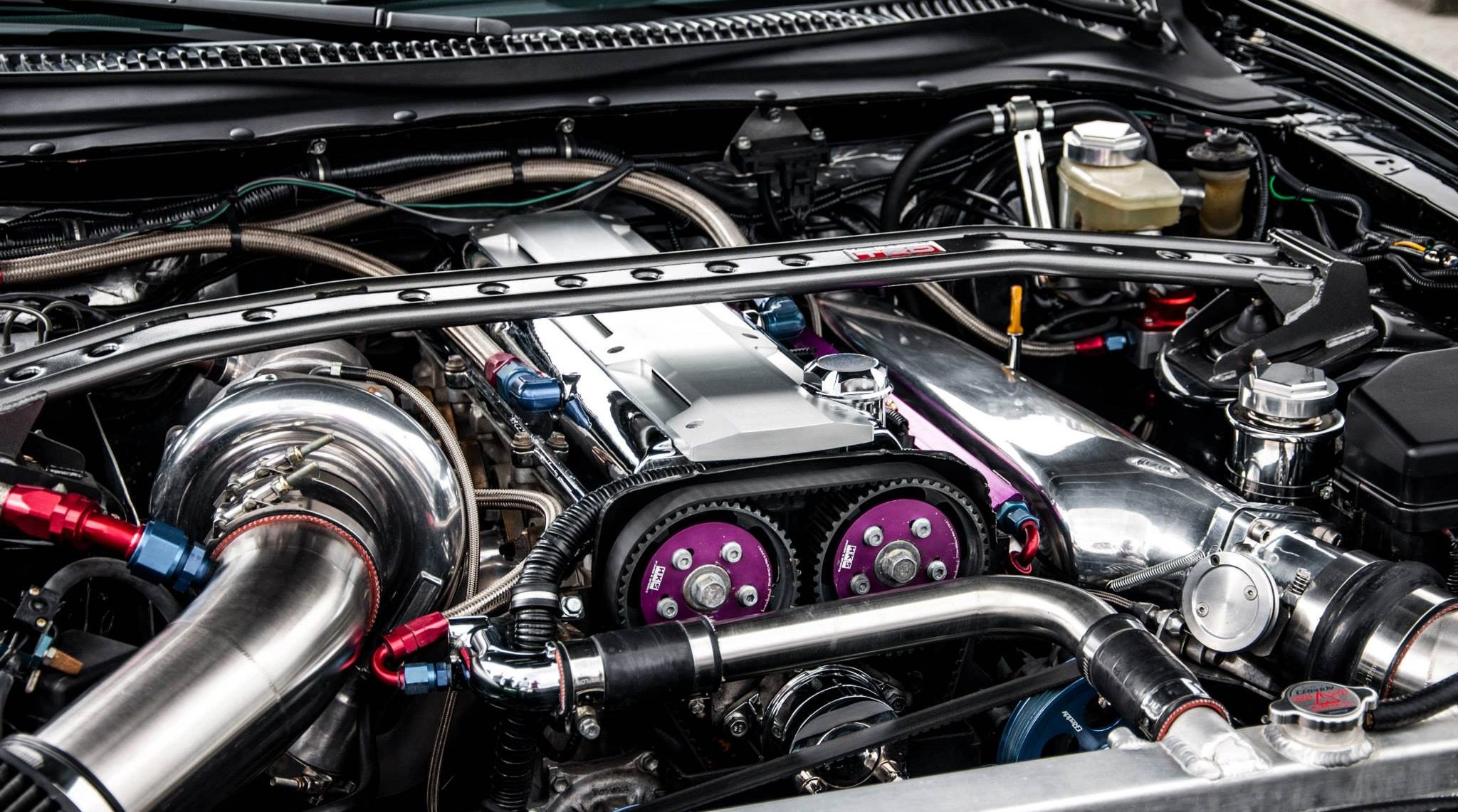
Turbochargers serve as compact power boosters for engines, enhancing both power output and efficiency. By compressing incoming air, turbochargers allow engines to burn more fuel and generate extra power without upsizing. As a result, smaller engines can rival the performance of larger counterparts while achieving better fuel economy.
Turbochargers are not confined to performance vehicles alone; their application has spread widely, even in vehicles known for fuel efficiency. They have become a modern solution to balance power needs and environmental concerns, demonstrating ingenuity in engine enhancements.
Engine Advancements
Beyond turbochargers, modern engines boast a suite of technological upgrades such as direct fuel injection, variable valve timing, and cylinder deactivation. Direct injection maximizes precision in fuel delivery; variable valve timing adapts to engine speed demands for optimal performance, and cylinder deactivation varies engine load according to required output versus fuel conservation.
These advancements pave the way for engines that are not only powerful but also sophisticated extensions of mechanical engineering, underscoring the integration of technology and timeless motoring principles.
Mastering the Balance: Acceleration, Efficiency, and Handling in Today’s Vehicles
Achieving peak performance transcends raw engine figures; it entails a harmonious synthesis of rapid acceleration, optimal fuel use, and impressive handling.
The Interplay of Performance Metrics
Vehicles today aim to balance multiple metrics to fulfill drivers’ varied expectations. While sports cars may emphasize speed and agility, fuel-conscious models center on efficiency. Yet the emergence of hybrid technologies and material advances meld these worlds, delivering cars capable of remarkable performance without compromises.
Fuel Efficiency Considerations
Fuel economy stands as a predominant consideration in vehicle design, with manufacturers constantly innovating to enhance mileage without hindering performance. Hybrid powertrains, lightweight bodies, and aerodynamic shapes significantly contribute to maximizing efficiency.
This ongoing quest to redefine fuel-efficient performance indicates the industry’s commitment to aligning consumer satisfaction with environmental sensibility.
The Impact of Technology on Driving Dynamics
Contemporary technology reshapes vehicle dynamics. Electronic stability, traction controls, and adaptive cruise control systems add layers of safety and driver confidence, working seamlessly to maintain vehicle steadiness and nuance.
These features underpin the effort to make driving more enjoyable and safer, crafting experiences that transcend raw specifications towards holistic excellence.
Handling Mastery: The Art and Science of Precision Driving
Exceptional handling remains central to a vehicle’s overall performance. A well-managed chassis provides confidence through curves, allowing drivers to maintain control with poise and precision.
The Importance of Advanced Suspension Systems
Modern performance hinges on advanced suspension, designed to ensure tires grip the road even across blemishes. A dynamic system like Range Rover’s 6D Dynamics Air Suspension adapts instantly, minimizing roll while maximizing control.
Such technology exemplifies how suspension systems are integral to handling supremacy, contributing substantially to ride quality and driver assurance.
Air Suspension and Dynamic Adjustments
Air suspension systems improve handling and comfort by permitting real-time ride adjustments. By maintaining ideal balance and minimizing roll, these systems enrich the driving experience, especially under demanding conditions.
Modern air suspension advances reflect the enduring importance of intelligent adjustments, fortifying vehicles against road challenges and enhancing driving satisfaction.
Navigating the Gearbox: Automatic, Manual, and Beyond
The transmission system translates engine power into motion, shaping the driving experience. With options ranging from classic manual to sophisticated automatics, drivers have options to suit diverse preferences.
The Enduring Appeal of Manual Transmissions
Manual gearboxes offer an intimate connection between driver and car, cherished by enthusiasts for the engagement it provides. Despite the conveniences of automation, the tactile feedback and precision of manual transmissions remain unmatched.
Sports cars like the Porsche 911 Carrera T exemplify this mechanical connection, endorsing the enduring allure of manual driving dynamics.
The Convenience and Efficiency of Automatic Transmissions
Automatics have grown in elegance, offering smooth shifts and economizing fuel use, streamlining urban commutes. CVTs, exemplified by the Toyota Camry Hybrid, offer seamless performance combined with stellar efficiency.
Automatics stand as practical choices favoring user ease over engagement, winning over those valuing comfort and simplicity, particularly in daily drives.
Dual-Clutch Transmissions: The Best of Both Worlds?
DCTs merge fast gearing with manual-like control, perfect for high-energy applications. Allowing instantaneous shifts through parallel clutches, they meld automatic ease with performance edges.
Many sports models, like those from Ferrari, capitalize on DCTs, maximizing speed and excitement while offering a polished driving experience.
The Future of Gearboxes
As vehicle technology forges ahead, expectations shift. Fresh solutions continue to blur the manual-automatic divide, with electric vehicles setting new standards through their unique drive architectures.
Understanding these trajectories offers insights into both current engineering feats and the unfolding promise of tomorrow’s automobiles.
By investigating these components and innovations, one can appreciate the art and science behind crafting modern cars that captivate and perform beyond conventional expectations.
Q&A
-
What is the relationship between horsepower and torque?
Horsepower and torque are closely related yet distinct measurements of an engine’s performance. Horsepower refers to the engine’s overall power output, while torque measures the engine’s ability to perform work, especially in terms of rotational force. In practical terms, torque affects the vehicle’s ability to accelerate from a stop, whereas horsepower influences the vehicle’s top speed and performance at higher speeds.
-
How do turbocharged engines impact fuel efficiency?
Turbocharged engines can significantly improve fuel efficiency by increasing the engine’s power output without increasing engine size. They work by using exhaust gases to drive a turbine, which compresses the air entering the engine, allowing for more fuel to be burned more efficiently. This means a smaller, turbocharged engine can provide the same power as a larger, naturally aspirated engine, often resulting in better fuel economy.
-
What are the different types of transmission and their effects on acceleration speed?
There are several types of transmissions, including manual, automatic, continuously variable (CVT), and dual-clutch transmissions. Manual transmissions offer precise control over gear selection, which can enhance acceleration speed for skilled drivers. Automatic transmissions are convenient and provide smooth acceleration. CVTs offer a seamless driving experience with potentially improved fuel efficiency, though they may feel less responsive during rapid acceleration. Dual-clutch transmissions combine the best of both worlds, offering quick gear shifts and efficient power delivery, making them ideal for high-performance vehicles.
-
How does handling and suspension affect a car’s performance?
Handling and suspension systems are crucial for a car’s performance, influencing its stability, ride comfort, and ability to navigate corners. A well-tuned suspension system can improve traction and reduce body roll, enhancing the vehicle’s handling characteristics. This is especially important in sports cars, where precise handling can significantly impact driving dynamics and safety.
-
Why is acceleration speed important, and how is it measured?
Acceleration speed is a critical performance metric for many drivers, particularly in sports and performance vehicles. It measures how quickly a car can increase its speed from a standstill, typically recorded as the time it takes to reach 60 mph (in the US) or 100 km/h (in Europe). Faster acceleration speeds are often associated with more thrilling driving experiences and can be important in situations requiring quick overtaking or merging onto highways.