
In today’s transformative work environments, understanding the subtle interplay of character and behavior can unlock pathways to enhanced productivity and team morale. By delving into individual thought processes, organizations are finding new ways to harness unique personal attributes, ultimately driving success and cohesion in professional settings.
Exploring Personality Analysis Tools in Professional Settings
Personality tests have become valuable assets in the contemporary workplace, serving as instruments for enhancing communication, leadership, and team functionality. Let’s delve into how these tools inform our understanding of individual and collective behavior in office environments.
Discovering the Impact of Myers-Briggs
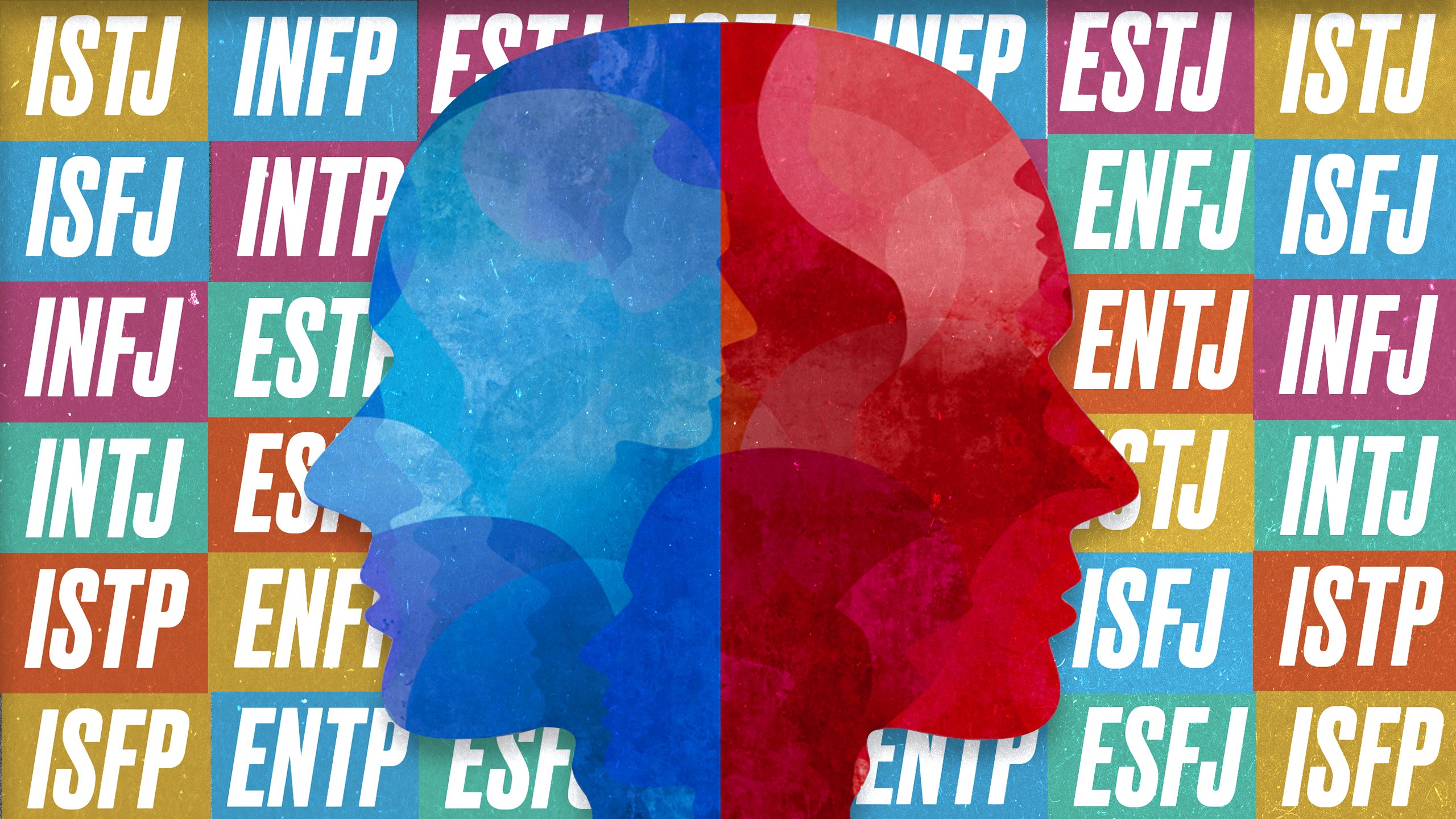
The Myers-Briggs Type Indicator (MBTI) is heralded for its ability to distinguish variation in personality types, enhancing communication and role alignment. It categorizes individuals across different dimensions to identify preferences in perception and judgment, which significantly affect workplace interactions.
- Enhancing Team Dynamics: At its core, MBTI facilitates better team communication by highlighting different communication preferences and work styles. Teams become more cohesive when members understand how their colleagues perceive and process information, effectively reducing misunderstandings.
- Implementation for Success: Employers can integrate MBTI insights into team-building workshops and conflict resolution training, creating a more harmonious workplace. When team dynamics are understood and appreciated, projects can be navigated more smoothly, leading to increased efficiency and satisfaction.
The Comprehensive Approach of Big Five Traits
Another effective framework, the Big Five Personality Traits, delves deeper into individual nuances by measuring broad dimensions: openness, conscientiousness, extraversion, agreeableness, and neuroticism. This model is pivotal in predicting leadership potential and overall team cohesion within organizations.
- Optimizing Leadership and Team Effectiveness: Research indicates that high conscientiousness and emotional stability correlate strongly with enhanced job performance and team outcomes. By incorporating the Big Five in leadership development programs, businesses can cultivate more effective leaders who are resilient and empathetic.
- Tailoring Workplace Applications: Organizations benefit from using these assessments as diagnostic tools for leadership screenings and team formations, which can identify traits advantageous for specific roles and responsibilities.
Harnessing Emotional Intelligence for Workplace Harmony
Emotional intelligence (EI) assessments are rapidly becoming as crucial as traditional personality tests in professional environments, evaluating how individuals manage their emotions and interact with others.
- Transforming Interpersonal Interactions: High EI facilitates improved teamwork, customer service, and stress management—skills pivotal in fast-paced and collaborative environments. Managers trained in EI are more adept at guiding teams through challenging situations, ensuring a productive and supportive workplace.
- Strategic Implementation in Corporate Culture: Integrating EI-focused development into managerial training and performance criteria can cultivate a work culture that prioritizes understanding and responsiveness. This strategic focus on EI helps to mitigate conflict and enable smoother transitions during organizational change.
Strategies for Implementing Personality Insights
Utilizing personality assessments effectively within the workplace requires thoughtful consideration of ethical use, measurement validity, and cultural integration. Organizations must handle insights responsibly to foster environments where every personality type flourishes.
Ensuring Ethical and Responsible Use
As organizations increasingly rely on personality tests, ethical considerations around the use of assessment data become essential. Key ethical practices include obtaining informed consent, maintaining data confidentiality, and ensuring assessments support development rather than discriminatory practices.
- Data Security and Privacy: Protecting personal information gleaned from assessments is paramount. Companies must be transparent about data usage and storage policies, addressing employee concerns around privacy.
- Preventing Stereotyping: Over-reliance on personality labels can lead to unfair assumptions. Organizations should train managers to interpret data responsibly, encouraging a holistic view that considers individual performance, potential, and context.
Addressing Validity Criticisms
While popular, personality assessments like MBTI have faced scrutiny over their validity. It’s crucial for businesses to employ these tools as part of a blended strategy that accounts for broader data points and ongoing validation measures.
- Cross-Reference with Performance Metrics: Integrating personality insights with performance reviews and objective measurements creates a more robust and accurate appraisal process. When combined with direct performance feedback, it helps validate personality insights.
- Continual Validation and Research: Regular updates and scrutiny of assessment tools ensure that they remain reliable indicators of workplace behavior, accommodating diverse workforces and evolving cultural norms.
Fostering Inclusivity and Collaboration
Diversity in personality and cognitive approaches should be celebrated as assets to organizational success. By embracing varied perspectives, companies can foster inclusive environments that drive innovation and employee satisfaction.
- Promoting Diversity of Thought: Encouraging different viewpoints through personality diversity enhances problem-solving and innovation. Teams that value diverse analyses become more adaptive and capable of overcoming challenges creatively.
- Building Inclusive Policies: Implementing policies that recognize and support diverse personality types improves employee satisfaction. Flexible work arrangements, personalized development plans, and inclusive decision-making processes help ensure all employees can thrive.
In summary, effective use of personality assessments can serve as a powerful tool for improving workplace dynamics. By recognizing and valuing individual differences, organizations can enhance communication, foster collaboration, and drive collective success. Through ethical implementation and continuous evaluation, these insights become central to building a more engaged and productive workforce that is well-equipped for future challenges.
Q&A
-
How does the Myers-Briggs Type Indicator (MBTI) differ from the Big Five personality traits model?
The Myers-Briggs Type Indicator (MBTI) categorizes individuals into 16 distinct personality types based on four dichotomies: Introversion/Extraversion, Sensing/Intuition, Thinking/Feeling, and Judging/Perceiving. It is often used for personal development and understanding interpersonal dynamics. On the other hand, the Big Five personality traits model assesses personality across five dimensions: Openness, Conscientiousness, Extraversion, Agreeableness, and Neuroticism. Unlike MBTI, the Big Five is supported by a substantial body of empirical research and is often used in psychological research to predict behavior and outcomes.
-
What role does emotional intelligence play in workplace behavior?
Emotional intelligence (EI) is crucial in the workplace as it involves the ability to recognize, understand, and manage one’s own emotions as well as the emotions of others. High EI can lead to better teamwork, communication, and conflict resolution. Employees with strong emotional intelligence are often more adaptable to change, exhibit greater leadership qualities, and can maintain a positive work environment, which can lead to increased productivity and job satisfaction.
-
Why is self-reflection important for personal and professional growth?
Self-reflection allows individuals to critically assess their thoughts, behaviors, and experiences. In a professional context, this practice can lead to improved decision-making, increased self-awareness, and the ability to learn from past experiences. By regularly engaging in self-reflection, individuals can identify their strengths and areas for improvement, set personal and professional goals, and develop strategies to achieve them, ultimately fostering continuous growth and development.
-
How can understanding personality traits improve team dynamics?
Understanding the personality traits of team members can significantly enhance team dynamics by allowing for better communication and collaboration. When team members are aware of each other’s strengths, preferences, and potential challenges, they can adjust their interactions and workflows to maximize efficiency and harmony. For instance, assigning tasks that align with an individual’s strengths can boost motivation and performance, while acknowledging and respecting differing work styles can reduce conflict and improve team cohesion.
-
What methods can individuals use to assess and improve their personality traits?
Individuals can assess their personality traits through various methods, such as taking personality assessments like the MBTI or Big Five inventories, seeking feedback from peers and mentors, and engaging in self-reflection exercises. To improve certain traits, individuals can set specific goals, engage in skill-building activities, and practice new behaviors consistently. For example, someone looking to become more conscientious might implement time-management strategies, while someone aiming to enhance their emotional intelligence could practice active listening and empathy.