
As the world’s runways become a canvas for cultural diversity and creative synergy, a new era of sartorial expression unfolds. This fusion reflects society’s evolving narrative, where aesthetic innovation meets tradition, capturing global audiences and reshaping the very essence of style worldwide.
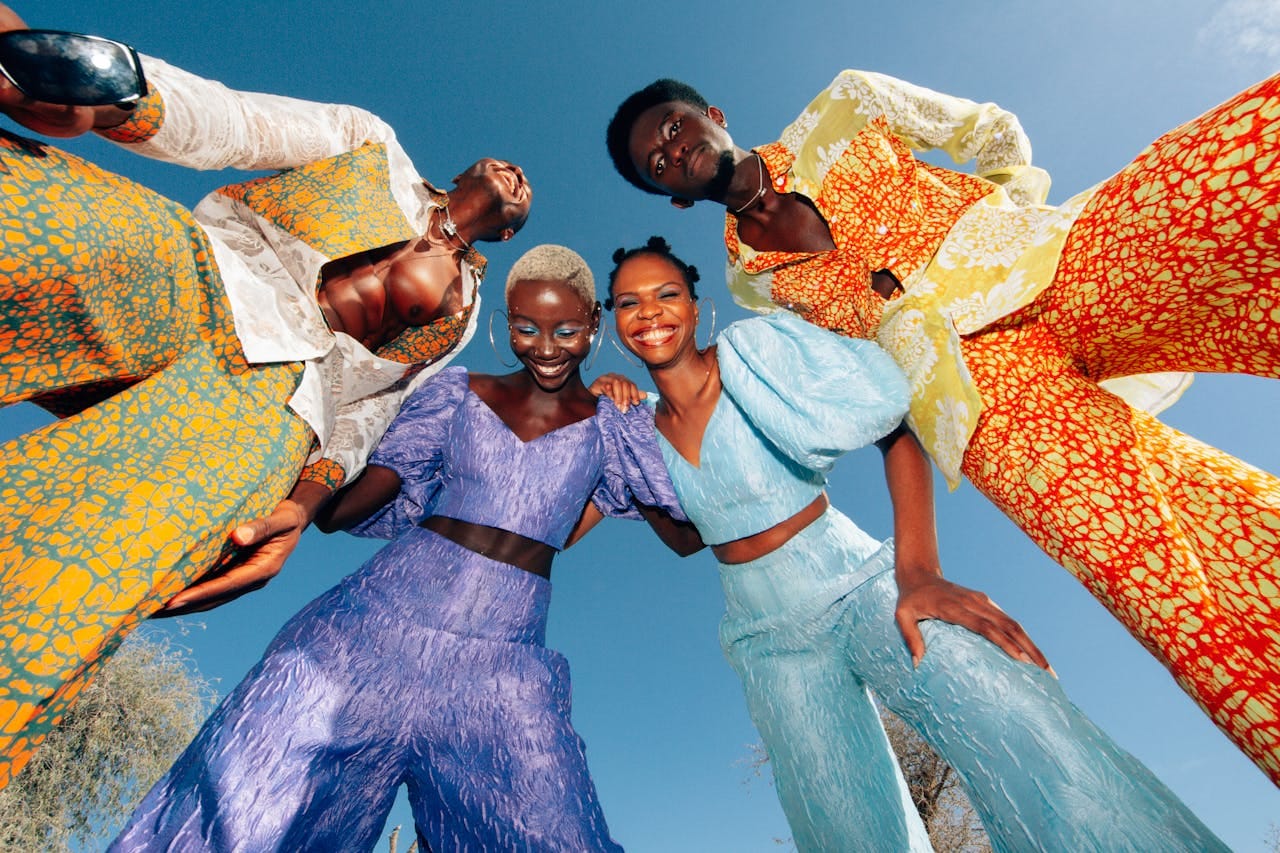
Unraveling Cultural Threads: Tradition’s Role in Contemporary Style
Fashion, with its perpetual transformation, embodies a dialogue between the past and the present. Modern designers embrace cultural heritages, reimagining them with a contemporary twist to engage with a global audience.
Revitalizing Ancestral Motifs
Designers are rediscovering traditional art forms, drawing from cultural festivals and ancestral techniques to infuse modern garments with a sense of history. This concept is poignant in regions where styles often serve as a bridge to cultural identity. For instance, while traditional garments may be less prevalent in everyday wear, their essence is preserved through innovative design. By using traditional dyeing methods or fabric patterns, these nuanced elements are finding their way into current fashion narratives, appealing particularly to younger generations eager to blend heritage with modernity.
Weaving Stories of Sustainability
Sustainability is more than a trend; it’s a commitment by global designers to ethically source materials and adopt environmentally friendly practices. Brands are utilizing storytelling to convey the significance of their materials, often emphasizing local traditions or ecological conservation. By grounding collections in these narratives, brands are not only enhancing their aesthetic appeal but are also aligning with global market demands for ethical transparency.
The global embrace of such eco-conscious narratives indicates a shift toward valuing longevity over fleeting trends, marking a significant evolution in consumer mindset and designer responsibilities.
Fashion as an Artistic Canvas
In contemporary fashion, the influence of art is increasingly evident. Designers curate thematic collections that parallel significant cultural moments, using clothes as a storytelling vehicle. Fashion weeks around the world now showcase pieces that speak to political, social, and cultural themes, effectively transforming runways into stages for broader dialogue.
This intersection between art and style not only enriches the visual narrative but also opens conversations about cultural diversity, challenging norms and encouraging a reflection on the multifaceted nature of identity and expression.
Cultural Echoes in Fashion: The Broader Influence of Runway Innovation
Fashion serves as a mirror to the societal shifts and cultural conversations occurring globally. International runways are amplifying these dialogues, presenting trends that spark worldwide intrigue.
Challenging Conventional Gender Narratives
A notable cultural transition within fashion is the acceptance and affirmation of gender fluidity. Progressive brands are designing pieces beyond traditional gender confines, incorporating items like skirts in menswear lines, reflecting broader societal moves towards inclusivity. This blending of sartorial liberties is empowering individuals to express identities freely, moving from niche markets into mainstream consciousness.
With leaders like Olivier Rousteing revitalizing historic brands through such inclusive visions, we see a powerful industry shift that echoes a deeper, global societal change.
The Importance of Brand Consistency
In an ever-shifting fashion landscape, maintaining a distinct brand identity is crucial. Successful brands are those that seamlessly blend heritage with modern design elements, ensuring both continuity and relevance. This strategy fosters consumer loyalty, as audiences increasingly favor brands that uphold cultural authenticity while pushing forward aesthetically.
Global Influences in Modern Design
As the fashion industry becomes more interconnected, the cross-pollination of global cultures enriches the creative process. Designers draw cross-continental inspirations, leading to collections that celebrate shared human experiences and encourage cross-cultural appreciation. In particular, Anglo-American fashion is a key player, often setting standards for diversity and innovation that ripple across the globe.
Luxury Meets Diversity: The Evolving Spirit of Fashion Alliances
Luxury fashion is undergoing a transformative phase marked by collaboration, inclusivity, and cultural exchange. This dynamic enriches both brand legacy and the wider fashion narrative.
The Collaborative Approach
Recently, creative partnerships have become a hallmark of luxury fashion. By teaming up with diverse artists or lesser-known designers, luxury brands reinvigorate their collections with fresh perspectives. Such collaborations allow traditional luxury labels to connect with broader audiences, exploring aesthetics that fuse heritage with contemporary relevance.
These partnerships push the boundaries of what is traditionally expected in high fashion, leading to breakthroughs that are as culturally vibrant as they are visually stunning.
Elevating Diverse Narratives
Luxury brands today are actively engaging with diverse communities to reflect a mosaic of voices in their storytelling. This inclusive ethos is crucial for representing the varied tapestry of modern society and for reflecting a commitment to diversity that resonates with consumers worldwide.
Showcasing models from diverse backgrounds or different gender identities in marketing campaigns forms a key part of this inclusivity, broadening the appeal and accessibility of high fashion.
Pioneering a Sustainable Future
The future of luxury fashion is intrinsically linked to sustainable practices and social responsibility. Designers are increasingly aware of their role in shaping consumer behavior and environmental impact. As brands pivot towards ethical production, they are setting new standards for what constitutes not just luxury, but responsibility.
In conclusion, through the integration of cultural motifs, inclusive practices, and sustainable innovations, modern fashion is not merely a reflection of the current era but an active participant in shaping it. The fusion of luxury and diversity is transforming the global fashion narrative, cultivating an industry landscape that is as conscientious as it is creative.
Q&A
-
What role do Global Designers play in shaping International Trends?
Global Designers are pivotal in shaping international trends as they bring diverse cultural perspectives and innovative ideas to the fashion industry. By drawing inspiration from their unique backgrounds, they introduce new styles and aesthetics that influence global fashion movements. Their collections often set the tone for upcoming trends that resonate across various markets worldwide.
-
How do Fashion Weeks impact the visibility of Luxury Brands?
Fashion Weeks serve as a crucial platform for luxury brands to showcase their latest collections to an international audience. These events attract fashion enthusiasts, buyers, and media from around the world, providing brands with the opportunity to enhance their visibility and prestige. The exposure gained during Fashion Weeks can significantly boost a brand’s reputation and influence its success in global markets.
-
In what ways does Cultural Influence manifest in Fashion Collaborations?
Cultural influence in fashion collaborations is evident when designers integrate traditional elements and motifs from different cultures into their creations. These collaborations often celebrate cultural diversity by blending distinct styles, techniques, and narratives, resulting in unique and innovative fashion pieces. Such partnerships not only promote cross-cultural understanding but also introduce consumers to a broader spectrum of fashion expressions.
-
Why are Fashion Collaborations significant for Luxury Brands?
Fashion collaborations are significant for luxury brands as they provide an opportunity to reach new audiences and diversify their offerings. By partnering with other designers or brands, luxury labels can experiment with different styles and concepts that may not typically align with their core identity. This strategy helps in refreshing the brand image, increasing market penetration, and staying relevant in a competitive industry.
-
What is the importance of International Trends in the fashion industry?
International trends are crucial as they drive the global fashion market, influencing consumer preferences and purchasing decisions. By keeping abreast of these trends, fashion brands can tailor their collections to meet the demands of a global audience, ensuring they remain competitive. Additionally, international trends foster creativity and innovation within the industry, encouraging designers to push boundaries and explore new ideas.