
The dawn of transformative advancements in sustainable power is upon us, with innovations swiftly reshaping how we harness natural forces. Increasing deployment and efficiency pave the way toward a future where cleaner, smarter power sources redefine our energy landscape, addressing the growing demands of modern society and environmental imperatives.
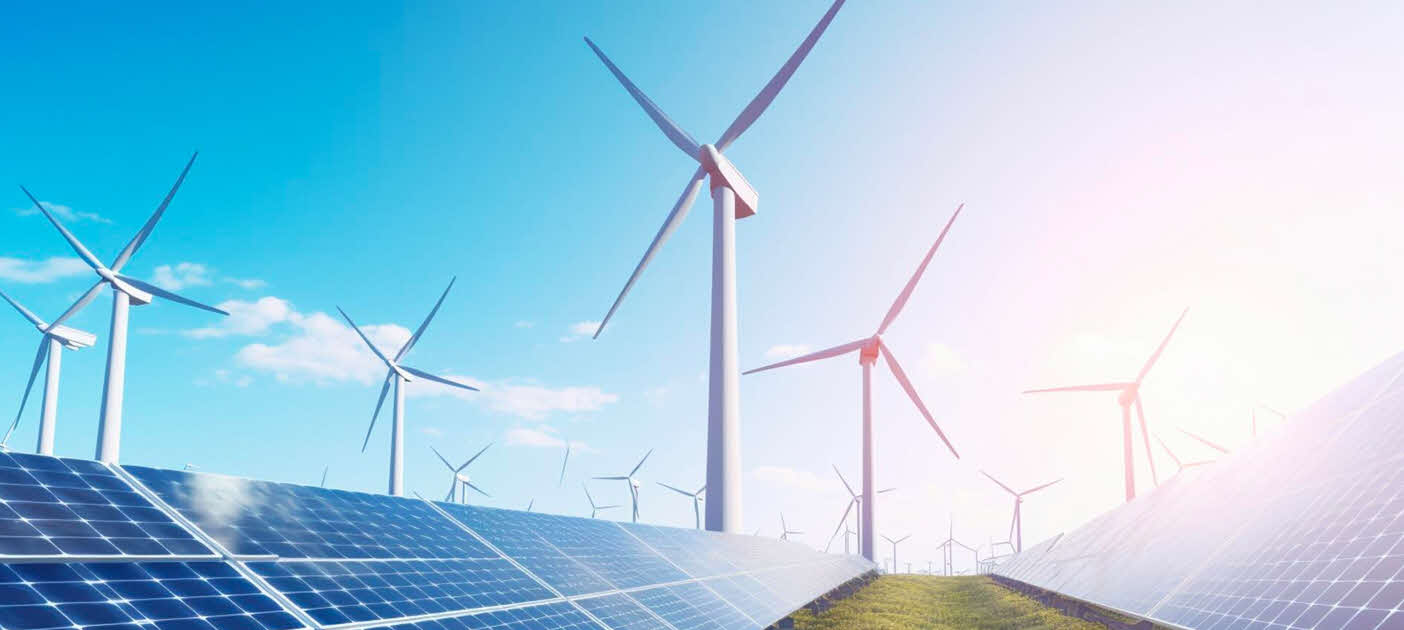
Revolutionizing Energy with Emerging Solar Technologies
Solar energy continues to play a pivotal role in the global transition towards sustainable power, opening up a world of possibilities beyond traditional photovoltaic panels. The latest innovations not only boost efficiency but also enhance aesthetic integration into urban and rural environments.
Perovskite Solar Cells: Transforming Light Capture
Among the most promising developments in solar energy are perovskite solar cells, which show immense potential to outperform conventional silicon cells. These materials offer significant opportunities in efficiency and application flexibility.
Perovskite materials boast exceptional light absorption abilities, allowing them to convert sunlight into electricity more efficiently from the same area as silicon-based panels. This higher efficiency opens new avenues for maximizing energy capture, particularly in space-constrained settings. Plus, these cells can be produced at a lower cost due to simpler manufacturing processes. The ability to create flexible perovskite cells enables their use on uneven surfaces, such as vehicle exteriors or mountain shelters, without compromising energy generation.
The strategic deployment of perovskite technology could revolutionize solar installations across diverse environments, from urban high-rises to remote outposts, propelling widespread adoption of solar energy.
Beyond the Conventional: Bifacial and Solar Windows
Bifacial panels and transparent solar cells represent significant leaps forward in photovoltaic technology, allowing buildings and installations to generate energy more effectively while maintaining design integrity.
Bifacial solar panels, which capture light on both sides, offer impressive gains in energy output by harvesting reflected light. In environments like snowy landscapes, they can achieve up to a 30% increase in electricity generation. This increased yield makes them particularly attractive for large-scale solar farms or installations in unconventional layouts across urban environments.
Transparent solar cells integrate seamlessly into building structures without compromising aesthetics or natural lighting, transforming windows into power generators. This innovation enhances a building’s energy autonomy, reduces grid dependency, and lowers operational costs. By blending functionality with design, these advancements hold the promise of energizing our skylines with sustainable architecture.
Expanding Horizons with Flexible Solar Applications
The evolution of flexible and transparent solar technologies broadens solar energy’s applicability, embedding it within consumer products and infrastructure alike.
Flexible solar cells offer unique installation possibilities, from powering wearable electronics to lining the curvature of modern transport vehicles or temporary shelters. They ensure energy access wherever traditional installations might be impractical or aesthetically intrusive.
Transparent solar technologies, meanwhile, can nearly invisibly integrate into electronic devices, building skylights, and even billboards. This adaptability allows for subtle yet impactful integrations that increase the use of renewable energy across various industry sectors.
Overall, these ongoing innovations signify a profound shift in harnessing solar energy, with global implications spanning reduced carbon footprints, enhanced technological collaboration, and increased grid resilience.
Wind Energy: Innovating Turbine Design
Wind energy is a powerful ally in the transition to a sustainable energy future. Recent advances have significantly improved the design and operation of wind turbines, both onshore and offshore, further cementing their role in the renewable energy mix.
Offshore Innovations: Bridging New Frontiers
Offshore wind research has accelerated, focusing on boosting efficiency, scalability, and environmental harmony. The use of dynamic platforms and mooring systems makes it feasible to harness winds at greater and more consistent strengths found further at sea. These innovations optimize energy capture and reduce costs, making offshore projects more competitive and sustainable.
Groundbreaking projects focus on developing XXL turbines that not only improve energy yield but also minimize ecological impact. Such advancements are crucial for the viability of floating wind farms and highlight new standards in turbine and resource efficiency.
Integrating Renewable Systems and Advancing Blades
Integrating different energy systems further optimizes the use of wind resources. By combining wind with solar and battery storage, companies are addressing the intermittency issues of renewables, thus ensuring consistent power generation and supply.
Significant improvements in blade design have also enhanced turbine performance. Advanced materials and aerodynamics allow current turbines to maximize their operational lifespan and efficiency under varying environmental conditions. As part of this evolution, design improvements focus on balancing resource utilization with ecological and aesthetic considerations.
The breadth of technological advancements in wind energy not only enhances grid stability and cost-effectiveness but also expands the geographical prospects for new installations, making wind power a cornerstone of renewable energy strategies.
Building Tomorrow’s Smart Grids
Smart grids are at the forefront of ushering in a new era of energy management, providing the infrastructure needed to support a wide array of renewable energy sources while enhancing their reliability and efficiency.
Networked Solutions for Resilience
Smart grids enhance energy integration by seamlessly connecting solar, wind, and battery storage into a cohesive and responsive power system. This integration minimizes reliance on fossil fuels and decreases emissions by smoothing out the supply-demand peaks.
The emergence of smart grid pilot projects that incorporate AI-driven optimization and grid storage is fostering more resilient and adaptive energy networks. These technologies help efficiently balance loads, forecast energy demands, and automate responses to fluctuations, optimizing grid operations and reducing energy waste.
Empowering Consumers and Supporting Innovation
Smart grids also enable consumers to actively participate in energy usage decisions. By employing real-time monitoring and feedback tools, household and business users can optimize consumption patterns, leading to energy savings and increased autonomy.
In parallel, smart grids are critical in supporting the burgeoning infrastructure of electric vehicles, which rely on grid-linked charging solutions. Strategies such as vehicle-to-grid (V2G) systems allow EVs to serve as backup power sources, further embedding renewable solutions within transport networks.
Future Deployment and Technological Integration
As the technology matures, the deployment of smart grids is set to expand significantly, leveraging digital infrastructure to facilitate advanced energy resource management. These grids play a crucial role in meeting increasing renewable integration needs across electricity, transport, and industrial sectors, ultimately advancing sustainable practices and innovation.
Q&A
-
What are some recent innovations in solar panel technology?
Recent innovations in solar panel technology include the development of bifacial solar panels, which capture sunlight on both sides, increasing efficiency. Additionally, perovskite solar cells are gaining attention due to their potential for higher efficiency and lower production costs compared to traditional silicon-based cells. Flexible solar panels, made with organic photovoltaic materials, are also being developed for use in a variety of applications, such as wearables and portable devices.
-
How is wind turbine design evolving to improve efficiency?
Wind turbine design is evolving with the introduction of larger rotors, which can capture more wind energy and thus generate more power. The use of advanced materials, such as carbon fiber, allows for lighter and more durable blades. Additionally, floating wind turbines are being developed to harness wind energy in deeper waters, expanding the geographical reach of wind power generation.
-
What role do energy storage systems play in the integration of renewable energy sources?
Energy storage systems are crucial for the integration of renewable energy sources as they provide a solution for the intermittent nature of solar and wind power. Technologies such as lithium-ion batteries, pumped hydro storage, and emerging solutions like flow batteries and compressed air energy storage help balance supply and demand, ensuring a stable and reliable energy grid. These systems also enable the storage of excess energy generated during peak production times for use during periods of low production.
-
How do smart grids contribute to the efficiency of renewable energy usage?
Smart grids enhance the efficiency of renewable energy usage by using advanced communication and control technologies to manage electricity demand and distribution. They enable real-time monitoring and management of energy flows, facilitate the integration of distributed energy resources, and support demand response programs. This results in improved grid reliability, reduced energy losses, and better accommodation of renewable energy fluctuations.