
As automobiles evolve, their interiors increasingly resemble high-tech lounges, where quietude and seamless technology interplay reshape the journey. Recent advancements underscore the industry’s shift toward personalization and sophistication, offering travelers a tranquil, intuitive environment that’s as forward-thinking as it is comfortable.
Human-Centric Design: Prioritizing Accessibility and Comfort
At the core of modern vehicle innovation is a commitment to human-centered design, emphasizing comfort and accessibility for all passengers. This approach ensures that every aspect of a car’s interior and functionality aligns with human needs and capacities.
1. Redefining Comfort and Versatility
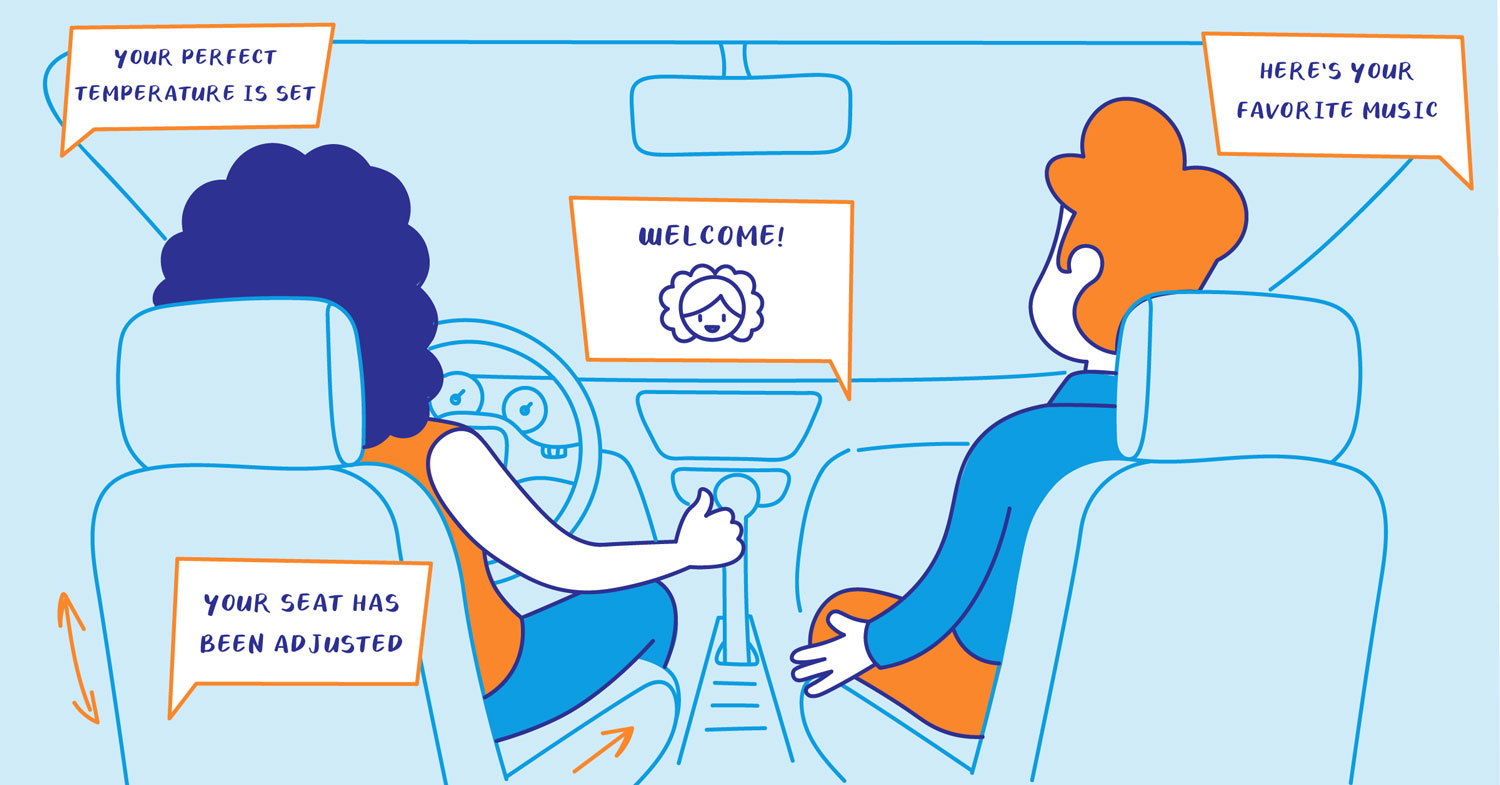
One of the primary focuses in automotive interiors today is enhancing passenger comfort and versatility. New seating technologies, spacious designs, and climate control adaptations are now standard, aimed at transforming the vehicle into a luxurious space. Power-adjustable seats with memory functions, ambient lighting, and multi-zone climate control systems allow passengers to tailor their environment to personal preferences, contributing to an enjoyable driving experience irrespective of journey length.
Moreover, the choice of materials plays a crucial role in creating an inviting interior. Use of sustainable and high-quality materials like vegan leather or recycled fabrics adds to both luxury and environmental consciousness. Vehicles are also incorporating advanced climate systems that ensure ideal temperatures and air quality, creating a sanctuary from outside conditions.
2. Emphasizing Accessibility and Inclusivity
Creating an accessible vehicle means considering a wide range of user needs. Automakers are increasingly designing with inclusivity in mind, introducing features such as easy-entry doors and adjustable control placements, making driving possible for people with varying physical abilities. Voice-command technology eliminates the need for manual operation of many vehicle functions, while advanced driver-assist systems support those who might require additional help behind the wheel.
These innovations go beyond compliance, aiming to enhance the actual user experience. For example, customizable controls and interfaces that adjust to individual preferences make the vehicle more engaging for users with diverse needs. By prioritizing inclusivity, manufacturers ensure that accessibility considerations are seamlessly integrated into the design process rather than as afterthoughts.
3. Cognitive Load and Time-Shifted Interactions
Considering cognitive load is crucial in designing user interfaces that do not overwhelm the driver. Automakers are developing systems that allow tasks to be deferred or managed without requiring immediate attention, which can significantly reduce stress and improve focus. This is achieved through advanced, intuitive systems that prioritize essential information and employ AI to predict driver needs, adapting as conditions change.
For example, setting reminders via voice or touch before driving begins allows drivers to concentrate solely on the road ahead. Additionally, the integration of smart navigation services that learn and predict routes can optimize travel paths and minimize route planning interruptions.
Tech Harmony: Enhancing the Driving Journey
Seamless technology integration within vehicles enhances the journey, offering a harmonious interplay of systems that ensures drivers remain informed and connected without distraction.
1. Unified and Intuitive Ecosystems
Modern vehicles incorporate a range of tech solutions to unify the driving experience. From infotainment systems to navigation aids and driver-assist features, these technologies work in concert to deliver a streamlined, intuitive user experience. Systems such as over-the-air updates and synchronized entertainment options enhance functionality while ensuring the vehicle remains up-to-date and aligned with current tech advancements.
In addition, the synchronization of smartphone applications and vehicle interfaces allows continuous connectivity, providing comfort and personalization. Drivers can customize dashboard displays to their preferences, enhancing interaction with technology and maintaining focus on driving essentials.
2. Enhancing Connectivity and Minimizing Distraction
Connectivity improvements continue to reshape the driving landscape. Advanced infotainment systems seamlessly integrate with personal devices, offering access to favorite applications, media, and contacts. This connectivity is bolstered by voice recognition and AI-powered features that allow hands-free operation, thereby minimizing driver distraction and enhancing safety on the road.
Infotainment systems are now designed to be adaptive and intuitive, featuring gesture and voice control options that cater to user preferences. Moreover, infotainment systems provide tools such as real-time traffic data that aid navigation decisions, ensuring the driver arrives smoothly and safely at their destination.
3. New Frontiers in Interface Design
Interface design in vehicles has shifted markedly towards user-friendliness and functionality. Designers are prioritizing clean and uncluttered interfaces that present only the most crucial information to drivers. Adding voice-command capabilities and streamlined physical controls ensures that the driving environment is simultaneously modern and approachable, catering to varied user needs.
These thoughtful layouts extend beyond pre-existing touchscreens to include head-up displays (HUDs) that project data directly onto the windshield. This innovation allows drivers to access important information without needing to divert their eyes from the road, further enhancing safety and connectivity on the go.
The Sound of Silence: Crafting Peaceful In-Car Environments
Reflecting an increased focus on tranquility, the automotive industry is adopting noise reduction technologies and immersive soundscapes to transform cabins into peaceful retreats.
1. Advanced Noise Reduction Techniques
Reducing external noises through innovative materials and structural design helps create a serene driving environment. Multi-layered sound barriers and acoustic window glass are just some of the technologies being deployed to minimize intrusive sounds from road noise and wind, creating a peaceful car interior.
2. Immersive Audio and Wellness Features
Modern vehicle systems often include high-quality speaker systems and customizable audio settings to deliver an immersive experience. These can include natural, calming soundscapes alongside high-fidelity music systems for recreation or relaxation, offering a personalized auditory environment.
Additionally, there is a trend toward integrating wellness features like guided relaxation programs or gentle aromatherapy to enhance the journey. These additions not only reduce stress but also promote a holistic driving experience, turning time spent in the vehicle into a rejuvenating escape.
3. Innovating Quiet and Smart Control Systems
Beyond noise reduction, smart control systems form an integral part of evolving car user experience by promoting smarter and quieter vehicle operations. These include adaptive control mechanisms that predict and adapt to driving habits, ensuring efficiency and a responsive driving experience. The balance between noise ventilation and control technology remains a key priority, ensuring each journey is both comfortable and environmentally considerate.
The future of car user experience lies in crafting innovative, user-centric environments that prioritize comfort, connectivity, and tranquility. By integrating human-centric design principles with cutting-edge technology, modern vehicles can transcend their role as mere transportation means, offering a sanctuary where one can relax, connect, and explore the road ahead.
Q&A
-
How does Cabin Comfort enhance the driving experience?
Cabin Comfort significantly enhances the driving experience by providing a serene and pleasant environment within the vehicle. Features such as ergonomic seating, climate control systems, and high-quality materials contribute to reducing driver fatigue and increasing overall enjoyment during travel. Additionally, personalized settings can adjust seat positions and temperature preferences, ensuring maximum comfort for all occupants.
-
What role does Noise Reduction play in modern vehicles?
Noise Reduction is crucial in modern vehicles as it minimizes external sounds such as traffic noise, wind, and engine sounds, creating a quieter cabin environment. This is achieved through advanced insulation materials, acoustic glass, and active noise cancellation technology. A quieter cabin not only enhances passenger comfort but also allows for clearer communication and a more enjoyable audio experience.
-
How does Interface Design impact vehicle usability?
Interface Design plays a vital role in vehicle usability by ensuring that controls and displays are intuitive and easy to operate. A well-designed interface reduces driver distraction by providing clear information and simple navigation through touchscreens and physical controls. It also accommodates different user preferences, which can improve safety and satisfaction for drivers and passengers alike.
-
What are Accessibility Features and why are they important in vehicles?
Accessibility Features are modifications and designs in vehicles that make them easier to use for individuals with disabilities or mobility challenges. These features can include wider door openings, adjustable seating, hand controls, and voice-activated systems. They are important because they enable a broader range of people to drive or ride in vehicles comfortably and safely, promoting inclusivity and independence.
-
In what ways do Smart Control Systems improve vehicle functionality?
Smart Control Systems enhance vehicle functionality by integrating advanced technologies such as automation and connectivity. These systems can control various aspects of the vehicle, including navigation, entertainment, and climate settings, through intelligent software that learns and adapts to user preferences. This results in a more personalized and efficient driving experience, as well as improved vehicle performance and energy management.
-
What benefits does Driver Feedback Technology offer?
Driver Feedback Technology provides real-time information and analysis on driving behavior, which can help improve safety and efficiency. It offers insights into fuel consumption, speed, braking habits, and even suggests corrective actions. This technology encourages safer driving practices and can lead to reduced wear and tear on the vehicle, as well as lower fuel costs.