
As the world navigates the complexities of a warming planet, a wave of groundbreaking innovations is catalyzing a shift towards a more resilient and eco-friendly future. From advanced energy solutions to efficient resource management, these transformative technologies promise a sustainable path forward in a rapidly evolving landscape.
Transforming Mobility: The Shift to Electric Transportation
Electric transportation is reshaping the automotive landscape, providing a sustainable alternative to traditional internal combustion engines. This sector is poised to play a crucial role in reducing greenhouse gas emissions and fostering a cleaner environment.
Infrastructure Developments and Policy Support
The growth of electric vehicles is inexorably linked to the expansion of charging infrastructure. Countries worldwide are making strategic investments to develop robust charging networks that ensure EV drivers have seamless access to power. Many governments are adopting policies to phase out traditional vehicles in favor of electric counterparts by setting targets for zero-emission vehicles.
For instance, significant investments have led to the deployment of fast chargers along major highways, spaced strategically every 50-70 miles. These efforts, buttressed by government incentives and subsidies, aim to alleviate ‘range anxiety’—the fear of running out of power without access to a charging station—which remains a major consumer concern. The US, among other countries, is actively expanding its charging infrastructure supported by federal incentives, as highlighted in the following table:
Tackling Policy and Market Challenges
Despite the promising outlook, the transition to electric vehicles is not without its challenges. Market fluctuations, such as temporary slowdowns in battery electric vehicle (BEV) sales, present hurdles to growth. These are often due to factors like the saturation of some market segments and varying consumer adoption rates. Additionally, as some governments reduce incentives and subsidies, there can be a corresponding dip in sales.
Automakers, in response, are continually adjusting their strategies, sometimes delaying new model launches or revisiting long-term plans. However, the overall direction remains positive, with most industry players adapting by improving vehicle affordability and performance.
Innovation for a Sustainable Future
Redefining Progress
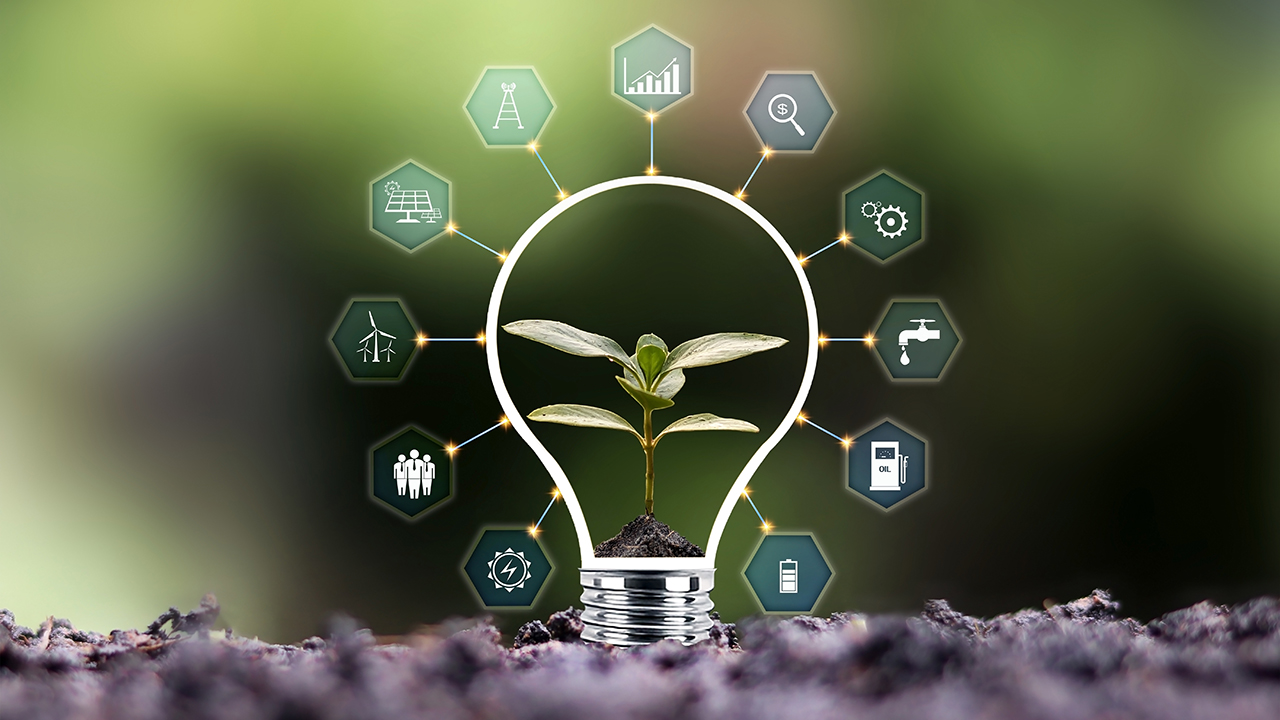
Green technology, or clean tech, focuses on creating solutions that minimize environmental harm while improving efficiency. From renewable energy sources like solar and wind to sustainable materials and circular design, this field is reshaping industries.
Driving Global Change
Governments and private companies are investing heavily in green innovation, recognizing its potential to reduce carbon footprints and promote long-term economic growth. The shift toward electric transportation and energy-efficient manufacturing exemplifies this trend.
Turning Trash into Opportunity
Smart Recycling Systems
Modern waste reduction technologies use AI and robotics to identify, sort, and recycle materials with high precision. These systems help cities lower landfill use and increase material recovery rates.
Circular Economy Models
Companies now design products for reusability and recyclability, transforming waste from a liability into a resource. For example, biodegradable packaging and upcycled materials are gaining traction across multiple sectors.
Ensuring Access to Clean Water
Innovative Filtration Methods
New water purification systems use nanotechnology, reverse osmosis, and UV sterilization to remove contaminants effectively. These technologies provide clean water for both urban populations and rural communities.
Sustainability and Affordability
Energy-efficient purification units reduce operating costs and environmental impact, making safe water more accessible in developing regions. Decentralized systems also allow communities to maintain local water independence.
Pioneering the Path to Net Zero
New Players in Sustainability
Climate tech startups are bridging the gap between environmental science and entrepreneurship. Their focus areas include carbon capture, battery innovation, sustainable agriculture, and renewable infrastructure.
Investment and Global Impact
According to PwC’s State of Climate Tech Report, venture funding in climate-related technologies has grown exponentially in recent years, reflecting global confidence in these solutions as key tools against climate change.
Q&A
-
What is green technology and how does it benefit the environment?
Green technology refers to the application of environmental science and technology to conserve the natural environment and resources, and to curb the negative impacts of human involvement. It benefits the environment by reducing carbon emissions, conserving water, minimizing waste, and promoting renewable energy sources, leading to a more sustainable future.
-
How are sustainable materials impacting the construction industry?
Sustainable materials, such as recycled steel, bamboo, and reclaimed wood, are transforming the construction industry by reducing the environmental footprint of buildings. They are often more durable, require less energy to produce, and can be sourced locally, which reduces transportation emissions. This shift not only promotes eco-friendly building practices but also can lead to cost savings in the long term.
-
In what ways are electric vehicles contributing to reducing carbon emissions?
Electric vehicles (EVs) contribute to reducing carbon emissions by using electricity instead of fossil fuels for power. This leads to zero tailpipe emissions and, when combined with renewable energy sources, significantly lowers the overall carbon footprint compared to traditional gasoline-powered vehicles. EVs also promote energy independence and can help reduce urban air pollution.
-
What role does smart energy management play in enhancing energy efficiency?
Smart energy management systems optimize the use of energy within homes and businesses by using advanced technologies such as IoT, AI, and machine learning. These systems can adjust energy use in real-time based on demand, predict maintenance needs, and integrate with renewable energy sources, ultimately reducing energy waste and lowering costs.