
The rapid evolution of intelligent machines is not only reshaping traditional workplaces but also redefining roles and skills across various sectors. Unprecedented financial commitments and technological advancements are driving this transformation, promising enhanced productivity and novel applications ranging from manufacturing efficiencies to groundbreaking healthcare solutions.
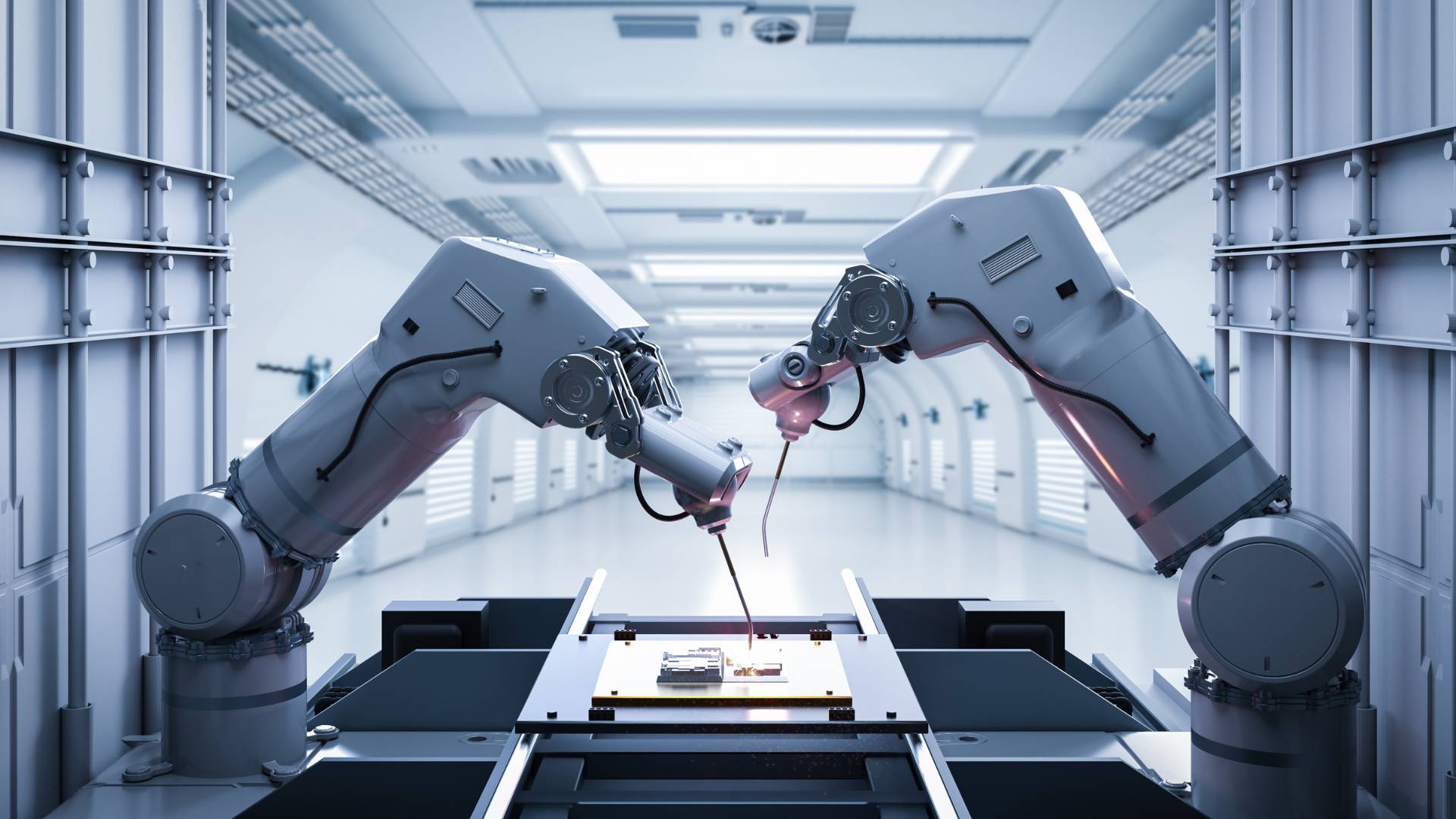
The Proliferation of Intelligent Machines
Embracing Commercial Humanoids
For many years, humanoid robots seemed like distant dreams, primarily visible in science fiction. However, with recent technological breakthroughs, their transition from laboratories to real-world applications marks a significant shift. Humanoid robots are now being harnessed across sectors, from retail to elder care, offering services that require a personal touch and human-like interaction. The focus has shifted from simply building robots that function to developing robots that think, learn, and adapt in real-world settings. This evolution challenges manufacturers and designers to consider human-centric design principles and ethical implementations.
Overcoming Development Hurdles
Despite advancements, humanoid robotics must confront substantial challenges, such as efficient energy management and robust human-robot interaction. Inspired by natural biomechanics, engineers are developing machines that mimic human movement, thereby achieving tasks with greater precision and lesser energy consumption. Enhanced materials and production methods are crucial, leading to safer, more functional robots capable of assuming roles in dangerous or repetitive work environments. These developments pave the way for robots to function effectively not only in controlled environments but in unpredictable, diverse real-world scenarios too.
Skills for a Technologically Advanced Workforce
As automation becomes widespread, ensuring the workforce possesses complementary skills is crucial for future success. With robots increasingly taking on monotonous tasks, the onus is on human workers to engage in the creative, managerial, and strategic aspects of operations. Upskilling initiatives are vital in this context, allowing workers to transition into roles where they supervise, maintain, and maximize robotic efficiency, fostering a collaborative human-machine partnership. Training programs focusing on data analytics, machine programming, and problem-solving can enable employees to manage and innovate with AI-driven systems effectively.
Collaborative Dynamics in the Modern Workplace
The Emergence of Collaborative Robotics
With the burgeoning use of collaborative robots, or cobots, the workplace is experiencing shifts in operational dynamics. Unlike traditional industrial robots that required isolation, cobots safely operate alongside humans, assisting with complex tasks. Enterprises are increasingly using these machines to enhance precision and speed, achieving higher productivity and efficiency. This collaboration necessitates workforce adaptability, requiring employees to gain proficiency in robot interaction and management, thereby making upskilling essential for seamless human-robot teamwork.
Transformative Changes Across Sectors
Industries such as manufacturing, logistics, and customer service are at the forefront of this robotic revolution. By automating repetitive tasks, businesses are not only lowering operational costs but also minimizing human error and enhancing safety. This industrial transformation requires companies to instill a culture of continuous learning and adaptability among employees, encouraging them to embrace technology as a partner rather than a competitor.
Emphasizing Continuous Learning
For businesses to harness the full potential of robotics and automation, they must embrace ongoing education and training. As technology evolves, industries need to reassess their training methodologies and offer educational programs that address the latest trends and tools in AI. This approach ensures that employees remain relevant and capable of maximizing the benefits of human-machine collaboration, ultimately fostering environments of innovation and growth.
Innovations in Healthcare: A Technological Shift
Robotic Assistance in Surgery
Robotics in surgery is significantly enhancing precision and control. Advanced robotic systems are providing surgeons with incredible dexterity and accuracy through minimally invasive techniques, thus reducing patient recovery times and lowering the likelihood of complications. This is not just about machines performing operations but providing augmented capabilities that yield better clinical results and redefine surgical norms.
The Impact of AI on Diagnostics
AI’s entry into clinical diagnostics is proving transformative, enabling faster, more accurate test results and analytics. By leveraging machine learning algorithms, diagnostic tools are improving the detection of diseases at earlier stages, leading to timely medical interventions. This advancement not only enhances patient care quality but also streamlines healthcare workflows, facilitating a more efficient use of resources and expertise within medical institutions.
Automating Hospital Functions for Improved Efficiency
In an era of digital health transformation, robots in hospitals are taking on responsibilities ranging from medication delivery to sterilization processes, significantly easing human labor and enhancing precision. Automation leads to minimized errors and optimized processes, contributing to a safer and more effective healthcare environment. By freeing healthcare professionals from mundane tasks, they can focus more on patient care, thus leading to better clinical practices and patient outcomes.
Ethical Frameworks and Future Considerations
Responsible Deployment and Governance
For robotics to be integrated smoothly, transparency and accountability must be prioritized. Establishing robust guidelines and standards will guide ethical AI deployment, emphasizing the importance of transparent decision-making processes. Building comprehensive governance frameworks ensures that organizations responsibly use technology, fostering public trust and compliance with legal standards.
Addressing Privacy and Security Concerns
As robots become more integrated into sectors handling sensitive data, like healthcare, safeguarding data privacy and security becomes paramount. Establishing strong protocols to protect personal information and securing the data collected by robots can help mitigate potential breaches and maintain public confidence in robotic innovations. Additionally, stringent data management practices ensure that robots operate within a framework that respects privacy rights and upholds ethical standards.
Navigating Workforce Transition
As robots commonly share workspaces with humans, facilitating a balanced coexistence is critical for future success. Strategic workforce planning, which includes retraining displaced workers and capitalizing on the new job opportunities created by automation, ensures a smooth transition. Encouraging synergies between human expertise and robotic precision can lead to a more productive, innovative work environment, propelling society forward.
In summary, robotics and automation promise transformative changes across industries. From humanoid robots shifting our service experiences to surgical robots advancing healthcare, the future is marked by new opportunities and challenges. Addressing ethical considerations and preparing the workforce for this technological evolution will determine how successfully these changes benefit humanity.
Q&A
-
What are the main differences between industrial robots and service robots?
Industrial robots are primarily used in manufacturing settings, designed to automate tasks such as assembly, welding, and painting. They are typically large, stationary, and programmed for high precision and repeatability. Service robots, on the other hand, are intended to assist humans in non-industrial environments like homes, hospitals, or offices. They are often more mobile, versatile, and focus on user-friendly interactions rather than repetitive precision tasks.
-
How is AI integration transforming humanoid robotics?
AI integration in humanoid robotics is enhancing their ability to perform complex tasks and interact naturally with humans. AI algorithms allow humanoid robots to process visual and auditory information, learn from interactions, and make decisions autonomously. This development is crucial for applications such as elder care, customer service, and educational assistance, where robots need to understand and respond appropriately to human emotions and actions.
-
What role do robotics play in the healthcare industry today?
Robotics in healthcare encompasses surgical robots, rehabilitation robots, and robots for patient care and logistics. Surgical robots enhance precision and control during operations, leading to less invasive procedures and faster recovery times. Rehabilitation robots assist patients in recovering movement and strength, while robots for patient care help with tasks such as monitoring vital signs and delivering medication, thus improving efficiency and allowing healthcare professionals to focus on critical care aspects.
-
In what ways might robotics and automation impact the future workforce?
Robotics and automation are expected to significantly reshape the workforce by automating repetitive and hazardous tasks, thereby increasing productivity. However, they may also lead to job displacement in certain sectors. The future workforce will likely require new skills focused on robot maintenance, programming, and system integration. There will be an increased demand for roles that involve creativity, critical thinking, and emotional intelligence, which are areas where humans excel over machines.
-
What are the current challenges in integrating robotics into various industries?
Integrating robotics into industries faces challenges such as high initial costs, technical complexities, and the need for substantial infrastructure adjustments. Additionally, there is a skills gap in the workforce that needs addressing to effectively operate and maintain robotic systems. Furthermore, ensuring cybersecurity and data privacy in AI-driven robotics systems is critical to prevent potential vulnerabilities that could be exploited in industrial settings.