
Imagine the bustling metropolis of tomorrow, where advanced transportation seamlessly connects urban life. With groundbreaking wireless advancements, vehicles operate themselves, and cities become smarter and more efficient. This evolution triggers extraordinary changes in urban landscapes, reshaping the way we navigate and interact with our environment.
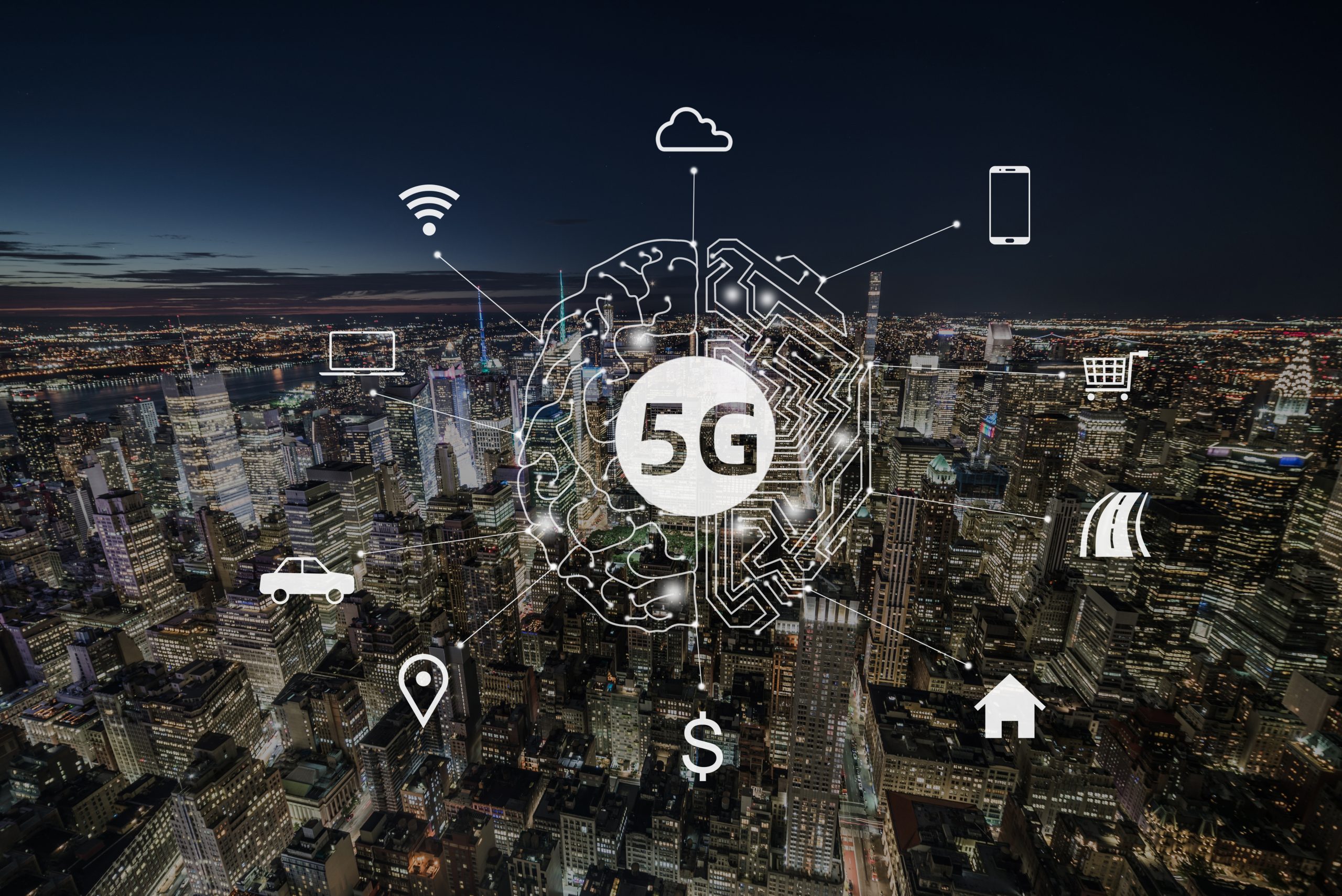
Beyond Connectivity: Transforming Infrastructure with High-Speed Networks
1. 5G’s Role in Traffic Management
The influence of these networks extends to traffic systems, fundamentally transforming how urban transit operates. By leveraging real-time data management and dynamic routing, these networks ensure a seamless flow of vehicles and minimize congestion.
Imagine a day where dynamic communication optimizes traffic light operation based on vehicle density, significantly reducing wait times and emissions. This scenario highlights how these advancements are setting a new benchmark for urban traffic systems. The automatic adjustment of traffic lights in response to live conditions presents an excellent example of smart city infrastructure at work. The ability of these technologies to reduce congestion and minimize energy output is vital to urban development goals.
2. Supporting the Integration of Autonomous Vehicles
As vehicles become increasingly self-directed, they depend heavily on robust wireless networks to navigate city environments safely and smoothly. These ultra-reliable low-latency connections are essential for the real-time decision-making needed for autonomous operation.
By supporting communication between vehicles and their environments, these networks facilitate the seamless integration of autonomous cars into smart city structures. Rich data sharing with other vehicles and infrastructure empowers vehicles to anticipate and address shifts in their surroundings. This capability is crucial for achieving the autonomous vehicle vision, as it underscores the necessity of ultra-reliable connectivity and edge computing for safe and efficient operation.
3. Revolutionizing Urban Mobility
Advanced networks are reshaping the way people navigate through urban areas, ushering in a new era of connectivity and mobility. Vehicles can communicate with one another and with city infrastructure to share details about traffic conditions and possible route adjustments. This sharing leads to superior traffic efficiency and enhanced safety for all road users. Furthermore, the integration of electric vehicles into smart grids is facilitated by reliable wireless technology, contributing to sustainable urban growth.
Smart cities are seeing smart sensors work in tandem with cutting-edge networks to manage and adapt traffic flow dynamically. This coexistence of wireless technology and urban infrastructure produces a hospitable environment for autonomous innovations to thrive.
4. The Rise of Edge Data Centers
Handling the vast data generated by connected devices necessitates an innovative approach that edge data centers can provide. By processing data closer to its source, these centers reduce the time it takes to make decisions, providing quick responses crucial to direct applications like autonomous driving and emergency systems.
Local data processing alleviates the need to send information to far-off servers, freeing up network resources and improving response times. This characteristic is critical as it ensures rapid reaction and enhances the overall efficiency of urban operations.
5. The Growth of Connected Devices
Globally, the number of connected devices is growing at an incredible pace, spurred by innovations in cellular technology. These connected devices form the backbone of metropolitan frameworks, supporting diverse applications from home automation to industrial controls.
Seamless integration with advanced networks enhances the collective functionality of smart devices, making it feasible for cities to offer more comprehensive services to their inhabitants. As the reach of connected solutions continues to expand, these devices will become increasingly essential to urban operations.
From Vision to Reality: Global 5G Deployment and Urban Transformation
1. Expanding Influence on Urban Mobility
Recent developments in wireless connections are influencing everyday lives, extending far beyond entertainment or communication. They are reshaping how urban centers approach issues like mobility and infrastructure, paving the way for rapid advancements in innovative city design.
2. Smart Solutions for Traffic and Transit
Empowered by ultra-high-speed networks, cities can now transform their traffic management capabilities by implementing intelligent systems that interpret and act upon live conditions. Public transportation systems benefit from enriched connectivity, allowing them to deliver more reliable services and meet passenger expectations effectively.
3. Public Safety Enhancements
Advanced connectivity also enhances public safety measures, providing law enforcement and emergency services with the tools needed for quick reactions to critical situations. The development of real-time video analysis and traffic monitoring capabilities stands as a testament to the transformative nature of emerging technologies on urban safety.
4. Broader Implications for Urban Environments
As evolving networks permeate urban settings, they drive unprecedented possibilities for connectivity, empowering cities to capitalize on technological advancements. By incorporating these solutions, cities can enhance their economic potential while ensuring they meet future demand. In doing so, they provide a glimpse into the exciting possibilities that lie ahead for urban innovation.
Challenges and Opportunities Ahead
1. Infrastructure and Cost Implications
Deploying comprehensive networks across cities demands substantial investment. Collaborators must consider innovative financial strategies to address costs effectively while ensuring the new infrastructure is optimized for future advancements.
2. Security and Privacy
As urban environments become more interconnected, security measures must be enhanced to protect sensitive information. Cities must establish rigorous standards and transparent processes to guard residents’ data against unauthorized access.
3. Ensuring Equal Access
To truly embrace the benefits of new technologies, it’s crucial to ensure equal access for all citizens. Establishing digital equity means providing not only affordable connectivity but also opportunities for digital education, supporting a more inclusive urban future.
4. Partnerships and Open Collaboration
Urban advancement requires unprecedented levels of collaboration among various stakeholders, from local governments to technology providers. By fostering open dialogue and partnerships, urban centers can foster an innovative ecosystem, well-placed to address emerging demands and fuel sustainable growth.
In conclusion, the integration of sophisticated networks into urban planning is set to redefine how city landscapes operate, setting the stage for a transformative leap in how we live, interact, and innovate within our communities. The promising horizon of a technologically empowered urban ecosphere is indeed within reach.
Q&A
-
How does edge computing integration enhance 5G connectivity?
Edge computing integration enhances 5G connectivity by reducing the distance data must travel, thereby minimizing latency and improving the speed of data processing. By processing data closer to the source, edge computing allows for more efficient use of network resources and supports applications that require immediate response times, such as autonomous vehicles and real-time IoT applications. This synergy is critical for deploying services that rely on quick data exchanges and high reliability.
-
Why is low latency communication important for autonomous vehicles?
Low latency communication is essential for autonomous vehicles as it ensures that the vehicles can receive and process information almost instantaneously. This capability is vital for the safe navigation of vehicles, allowing them to make split-second decisions in response to dynamic road conditions and unexpected obstacles. With 5G networks providing low latency, autonomous vehicles can communicate with each other and with infrastructure systems in real-time, enhancing safety and efficiency on the roads.
-
What are the challenges associated with global 5G deployment?
The global deployment of 5G faces several challenges, including the need for significant infrastructure investment, regulatory hurdles, and spectrum allocation issues. Additionally, there is the challenge of ensuring interoperability between different countries and regions, which requires international collaboration and standardization. Addressing these challenges is crucial for achieving seamless global connectivity and realizing the full potential of 5G technology.
-
How do high-speed networks support the advancement of smart city initiatives?
High-speed networks are the backbone of smart city initiatives, providing the necessary infrastructure for data-driven services and applications. They enable the rapid transmission of large volumes of data, which is essential for the efficient operation of smart grids, intelligent transportation systems, and public safety networks. By facilitating quick and reliable data exchanges, high-speed networks empower cities to implement innovative solutions that enhance urban living and sustainability.