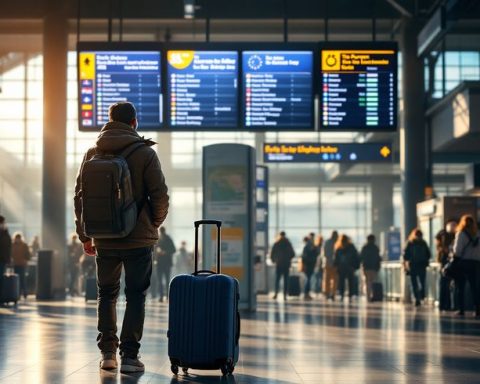
From bustling stadiums to serene snow-capped landscapes, the world of athletic endeavors continues to broaden human horizons. Diverse regional competitions highlight how alliances are forged, fostering a unique tapestry of cultural exchange and mutual respect, while simultaneously igniting the spirit of friendly rivalry on a global scale.
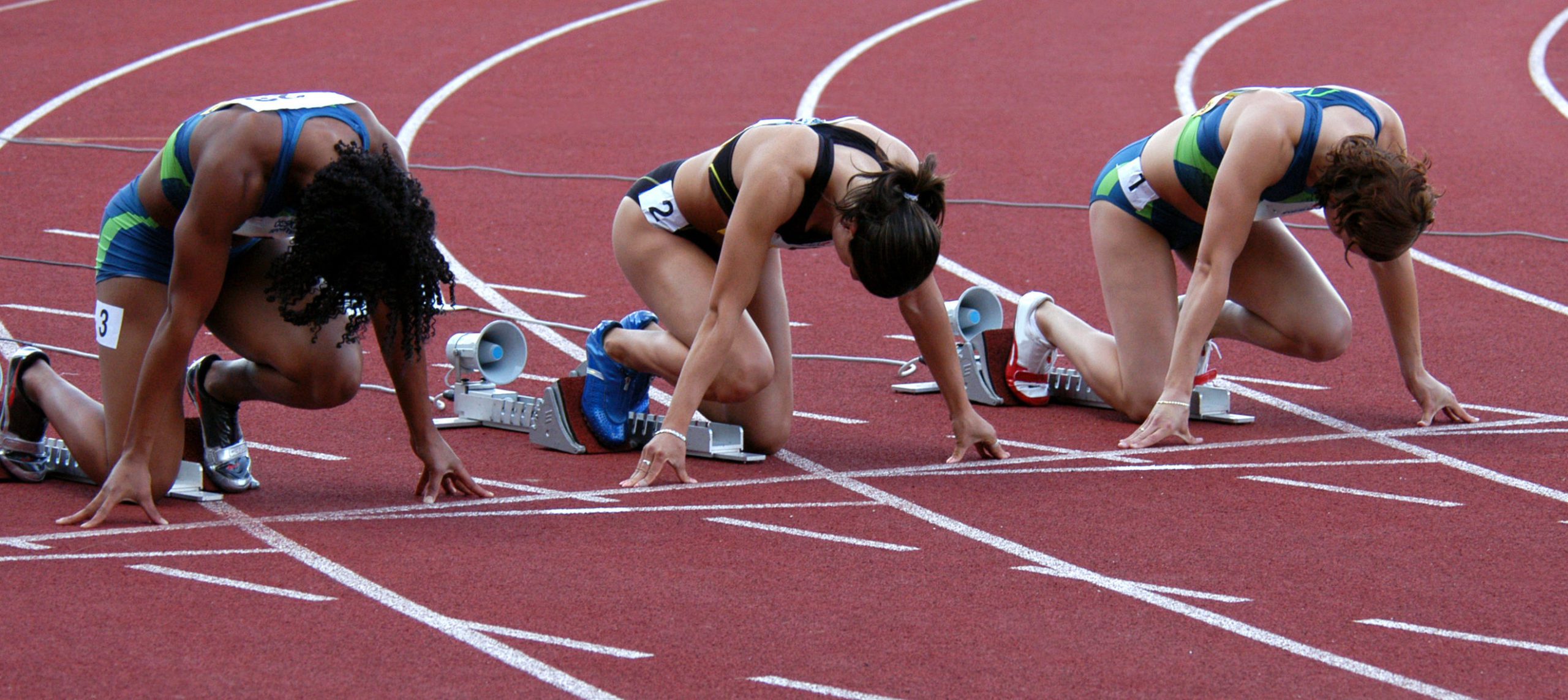
Friendly Foes: The Dynamics of International Rivalries
International sports rivalries are a fascinating blend of intense competition and camaraderie, creating a backdrop for cultural interactions across nations. These rivalries, whether fought on the fields or courts, have become emblematic of competitive spirit tempered by mutual admiration.
1. Competitive Spirit and Mutual Respect
At the heart of sports rivalries is the unyielding drive to excel. This fierce competition pushes athletes to showcase their skills, delighting fans and creating memorable moments. However, unlike other competitive arenas, international sports often reflect a deeper respect among competitors. This mixture of rivalry and respect draws fans, making each encounter between teams not just a contest but a celebration of athletic prowess and a shared love for the sport.
Consider the rivalry between England and Australia in cricket’s “The Ashes.” This longstanding competition is marked by fervor and determination, underscored by a shared respect for the game’s traditions and legacy. Likewise, the USA and Canada compete in hockey with great intensity, yet their mutual appreciation for the sport’s history enhances the rivalry. Such sports contests transcend mere athleticism, merging cultural richness with competitive spirit.
2. Fostering Cultural Exchange
Competitions like these bring opportunities for cross-cultural interactions. When teams and their supporters travel internationally for sports events, they share their customs, thereby initiating cultural exchange. Sporting events become platforms for learning about diverse customs, beliefs, and traditions.
Basketball, with NBA stars meeting international teams, serves as an excellent example. The styles and approaches that various teams bring to the court highlight cultural differences and foster appreciation for diversity. Whether it’s the precision of European teams or the flair of South American players, these encounters broaden perspectives and cultivate a spirit of global cooperation.
3. Diplomacy Through Sports
Sports is a soft power tool that countries leverage to improve international relations and promote dialogue. Major sports figures and events often captivate audiences worldwide, providing a stage for diplomatic initiatives. When athletes compete, they embody their nations’ virtues, with their actions resonating far beyond the arena.
Tennis rivalries like those between Novak Djokovic of Serbia and Rafael Nadal of Spain go beyond personal achievement. These matches emphasize sportsmanship and mutual admiration amidst intense competition. Watched by millions globally, such rivalries offer a glimpse into international diplomacy, enhancing understanding among nations and showcasing unity amid competitiveness.
Bridging Borders through Global Sports Championships
Global sports championships are significant not merely for their athletic contests but for the broader diplomatic and cultural exchanges they facilitate. These events boast the ability to transcend divides and unite individuals and nations.
1. Driving Economic Growth
Apart from cultural and diplomatic benefits, global sports championships significantly impact the host region’s economy. The influx of tourists, investments in infrastructure, and subsequent media attention can boost the local economy. The economic windfall stretches beyond the event, often leaving behind enhanced facilities and raised international profiles.
Countries vying to host these mega-events recognize the potential benefits, using the global stage to not only present their culture but also to invite economic partnerships. From infrastructure development to employment creation, these events hold tangible economic promise.
2. Inspiring Future Generations
The potential of sports events to inspire cannot be overstated. The successes of national heroes or iconic performances leave lasting impressions, igniting aspirations among young fans watching from their homes. Such events instill pride and empowerment and, at times, spur sports development programs to nurture budding talents.
Growing up watching their country compete at the highest levels instills valuable lessons in youth about dedication, teamwork, and excellence—qualities that sports uniquely champion.
Cross-National Teams and the Future of International Sports
An evolving landscape in international sports is the rise of cross-national teams, which challenge traditional boundaries. This transformation invites greater collaboration, innovation, and cultural unity.
1. Breaking Down Barriers
Cross-national teams represent a paradigm shift away from conventional national representation. By incorporating athletes from various countries, these teams cultivate a unified global sports community.
- Sport Migration and Team Dynamics: Organizations like the Sport Migration Network emphasize the interconnectedness of sport, culture, and migration. Their reports showcase the formation of cross-national teams and the shared identity these entities create, promoting deeper integration within the international sports community.
2. Enhancing Competition and Innovation
Pooling athletes from diverse backgrounds invites innovation. Diverse coaching strategies, shared training insights, and collaborative gameplay create an enriched competitive environment.
- Cycling and Team Strategies: In sports like cycling, cross-national collaborations bring fresh perspectives and strategies, leading to innovation in team performance. With multinational team compositions, cycling not only sees a blend of tactics but also advancements in sport-specific technologies and methodologies.
3. Promoting Diversity and Inclusion
Diversity within teams extends beyond geographical boundaries, encouraging broader societal reflections on inclusivity. Inclusive team structures illustrate important social narratives and advance inclusivity at various levels.
- Special Olympics and Social Integration: Programs like the Special Olympics Unified Sports demonstrate how sports serve as a common ground for promoting inclusivity. These initiatives enable individuals with specific challenges to compete equally, encouraging an inclusive sporting culture.
4. Addressing Global Challenges
Sport is uniquely equipped to tackle global issues. By promoting awareness on issues like climate change or inequality, sports teams can serve as advocates for change.
- Unified Platform for Advocacy: Through the platform of sports, athletes across different nations can unite to promote significant global challenges, exemplifying how collaboration in sports mirrors collaborative societal goals.
Q&A
-
What are the main objectives of global sports events like World Championships and International Olympics?
Global sports events such as World Championships and International Olympics aim to bring together athletes from around the world to compete at the highest level, promote peace and unity, encourage cultural exchange, and foster a spirit of sportsmanship and fair play. They also serve as platforms for host countries to showcase their culture and hospitality on a global stage.
-
How do cross-border teams influence sports diplomacy?
Cross-border teams, which consist of athletes from different countries, play a significant role in sports diplomacy by bridging cultural gaps and fostering international collaboration. These teams can enhance mutual understanding and respect among nations, soften political tensions, and promote global cooperation through shared goals and team spirit.
-
In what ways do global competitions impact the local economy of host countries?
Hosting global competitions like the World Championships or International Olympics can significantly boost the local economy through increased tourism, job creation, and infrastructure development. These events attract visitors from around the world, leading to higher demand for local services, accommodations, and goods, thereby stimulating economic growth.
-
What challenges do athletes face when participating in global sports events?
Athletes competing in global sports events often face challenges such as adapting to different time zones, cultural differences, and varying climatic conditions. Additionally, the pressure to perform on an international stage can be intense, requiring them to maintain peak physical and mental condition. Language barriers and dietary changes may also pose difficulties.
-
How do global sports events contribute to international relations?
Global sports events act as a soft power tool in international relations by providing a neutral ground for countries to engage with each other outside of political contexts. They promote dialogue, understanding, and cooperation among nations, enabling countries to build and strengthen diplomatic ties through shared experiences and mutual respect in the realm of sports.