
Balancing different fitness modalities can transform your health journey into a harmonious symphony. Discover how engaging varied movement practices enhances both physical vitality and mental resilience, encouraging not just persistence but joy in daily routines. Embrace diverse approaches to foster all-around wellness and personal growth.
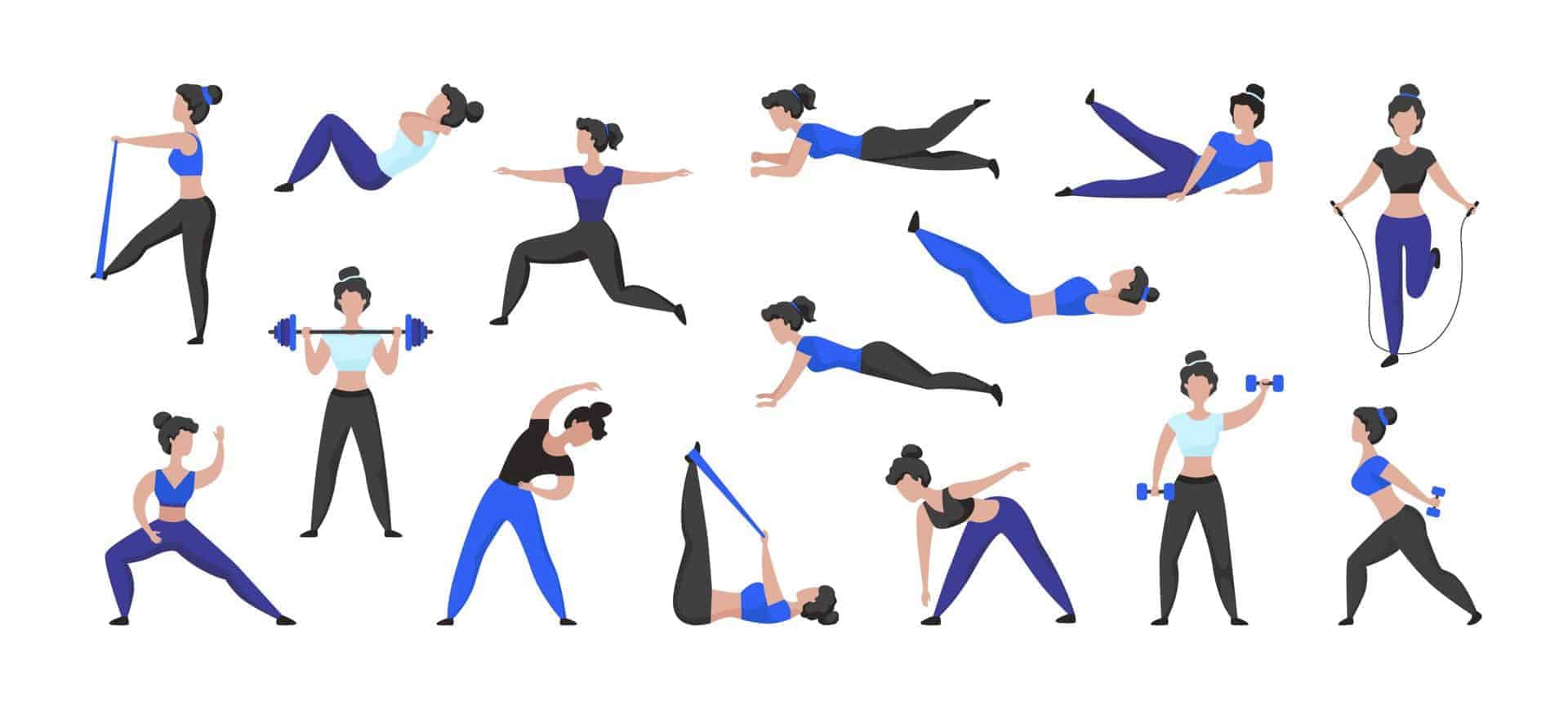
Exploring the Synergy: Cardio and Strength in Tandem
Understanding the Basics
Cardiovascular exercise and strength training often stand as pillars in fitness regimens, yet their interplay is where true magic unfolds. Cardio exercises, such as running, swimming, and cycling, primarily elevate heart rate, promoting heart and lung health. Conversely, strength training uses resistance through weights or body exercises to build muscular strength and endurance. While each holds its unique benefits, a combined approach offers comprehensive wellness. For instance, improving cardiovascular capacity can enhance recovery post-strength workouts, and increased muscle mass provides a metabolic boost during cardio activities.
Benefits of Combined Training
Blending cardio with strength not only enhances physical appearances but also supports wellbeing in multifaceted ways. Cardio workouts are pivotal for reducing the risk of cardiovascular diseases, managing weight, and boosting stamina. Meanwhile, resistance exercises help increase muscle mass, elevate metabolism rates, and enhance bone density. When integrated, they contribute to a balanced physique, enabling better performance across exercises. For example, enhanced cardiovascular health can lead to more efficient strength sessions, amplifying results and reducing recovery time.
Practical implementations involve alternating workout days focusing on either cardio or resistance exercises or mixing them in one session like through circuit training. High-Intensity Interval Training (HIIT) is another effective combination, offering both cardiovascular and strength benefits through intense bursts and active recoveries.
Tailoring Your Goals
The balance between cardio and strength should align with your personal fitness goals and capabilities. If prioritizing weight loss, cardio may take precedence, supplemented by strength workouts to foster muscle growth and boost metabolic rates. Conversely, if strength gain is the goal, focus on resistance training while maintaining cardio for cardiovascular health. Personalization is key, and participants are encouraged to adapt their routines according to changing needs and goals.
Flexibility Matters: Stretching Beyond Conventional Limits
Importance of Flexibility
Often underappreciated, flexibility plays a vital role in maintaining a healthy lifestyle. It isn’t only about enhancing mobility or reducing the risk of injuries; it allows one to perform everyday activities more comfortably and effectively. Flexibility is fundamental in improving posture, reducing mechanical stress on the body, and allowing greater freedom of movement.
Diverse Strategies for Flexibility
While static stretching—holding a pose to elongate muscles—is widely known, it’s not the only method. Incorporating dynamic stretches, which involve movement, can improve both flexibility and performance, as can exercises focused on increasing joint mobility. Consider methods that combine strength and stretch, such as Pilates, which emphasizes core strength alongside flexibility.
The Mind-Body Connection
Flexibility isn’t exclusive to physical realms; it correlates with mental agility too. Practicing flexibility-based exercises like yoga not only extends physical benefits but fosters mindfulness and mental clarity. Such exercises invite deeper self-awareness and promote stress reduction, creating a resilient mind-body harmony. Integrating mindful breathing and body awareness in flexibility exercises complements mental resilience and emotional stability, fostering overall well-being.
Embracing Holistic Methods
Exploring unconventional methods, like incorporating functional movements into flexibility routines, can increase your range of motion effectively. Moreover, utilizing minimalistic footwear in certain activities may enhance proprioception, encouraging better gait and joint function. In strength training, techniques such as undulating periodization can catalyze flexibility improvements alongside muscle conditioning.
Daily Moves: Integrating Fitness into Everyday Life
Movement Snacks
Small, frequent bursts of activity throughout the day, akin to “movement snacks,” can provide significant benefits without needing a formal workout structure. Activities such as taking the stairs, walking during calls, or incorporating short desk exercises can cumulatively enhance metabolic health and mental clarity, contributing to long-term wellness.
Everyday Activities as Exercise
Daily tasks like gardening, cleaning, or cycling to work can act as effective forms of exercise. They offer a way to sustain activity levels without traditional fitness routines. Consistent engagement in these activities can help prevent chronic diseases and enhance mood through increased endorphin release.
The Role of NEAT
Non-Exercise Activity Thermogenesis (NEAT) encompasses the energy expended through daily activities outside formal exercise. Increasing NEAT plays a substantial role in caloric burn and weight management, reinforcing the importance of maintaining active daily habits beyond gym workouts.
Dispelling Myths
It’s crucial to recognize that every movement counts. Moderate activity levels can be just as impactful as high-intensity sessions, and short activities are better than none. Acknowledging the value of all forms of movement encourages a more active lifestyle that fits into personal schedules.
Practical Tips
Integrating fitness into daily life requires minimal yet consistent effort. Consider scheduling activities like appointments, starting slow with manageable goals, and finding enjoyable pursuits. Making movement a social activity also enhances motivation and accountability, fostering a sustainable approach to health.
In summary, embracing a diverse fitness strategy can unlock full-body potential and wellbeing. Through balanced cardiovascular, strength, and flexibility training, alongside integrating daily physical activities, one can achieve a holistic fitness journey conducive to both physical and mental health improvements.
Q&A
-
What are the main benefits of cardiovascular training?
Cardiovascular training primarily improves heart health by strengthening the heart muscle, enhancing circulation, and increasing lung capacity. Regular cardio exercises like running, cycling, and swimming can also help in weight management, reducing the risk of chronic diseases such as type 2 diabetes, and boosting overall stamina and energy levels.
-
How does strength training contribute to overall fitness?
Strength training builds muscle mass, increases bone density, and enhances metabolic rate, which aids in weight management. By performing exercises like weightlifting, resistance band workouts, and bodyweight exercises, individuals can improve their muscular strength and endurance, leading to better functional performance in daily activities.
-
Why is flexibility important and how can it be improved through exercise?
Flexibility is crucial for maintaining a full range of motion in the joints and preventing injuries. It can be improved through regular flexibility exercises such as static stretching, dynamic stretching, and practices like yoga and Pilates. These activities help in elongating muscles and tendons, reducing muscle stiffness, and improving posture and relaxation.
-
What distinguishes High-Intensity Interval Training (HIIT) from other forms of exercise?
HIIT involves short bursts of intense exercise alternated with low-intensity recovery periods. This type of training is efficient in burning calories and improving cardiovascular fitness in a short time. The intensity of HIIT can lead to increased post-exercise calorie burn, known as the afterburn effect, making it a time-effective workout for those with busy schedules.
-
How can incorporating yoga and Pilates into a fitness routine benefit mental health?
Yoga and Pilates not only improve physical health by enhancing flexibility, balance, and core strength but also contribute significantly to mental well-being. These practices encourage mindfulness, reduce stress levels, and promote a sense of calm and relaxation, which can lead to improved mental clarity and reduced symptoms of anxiety and depression.