With musicians navigating an ever-evolving financial landscape, the shift in how income is generated is both profound and necessary. The balance between virtual spins and tangible experiences is reshaping how creators sustain their craft while facing modern challenges in a competitive audio realm.
The Streaming Tsunami: Navigating Digital Waters
The advent of streaming platforms has ushered in a new era for the music industry. With platforms like Spotify, Apple Music, and Amazon Music leading the charge, streaming has not only changed music consumption but also how artists earn their livelihood.
The Rise of Streaming Platforms
Streaming services have redefined how music is consumed, shifting focus from physical sales to digital streams. These platforms account for over 60% of digital music revenue, significantly impacting artists’ earnings. The rise of streaming platforms has democratized access, allowing artists to reach global audiences with unprecedented ease. Data from the United States and United Kingdom indicates a 12% annual growth in streaming revenue. Despite widespread adoption, streaming payouts remain a contentious issue. The average per-stream payout ranges from $0.003 to $0.005, a model that necessitates millions of streams for artists to see significant income.
The Complexity of Streaming Royalties
While streaming platforms are a cornerstone of the modern music economy, the royalty system presents challenges. Record labels typically capture around 70% of streaming revenue, leaving artists and songwriters to divide the remaining share. Independent artists often face even smaller margins because they don’t have the negotiating power of major labels. Despite these hurdles, streaming remains a crucial revenue stream, prompting artists and labels to explore methods to optimize earnings.
Beyond Streams: A Focus on Live Revenue
While digital platforms play a critical role in artist revenue, live performances remain irreplaceable. They provide not only substantial income through ticket sales and merchandise but also opportunities for artists to connect intimately with their fans.
The Value of Live Performances
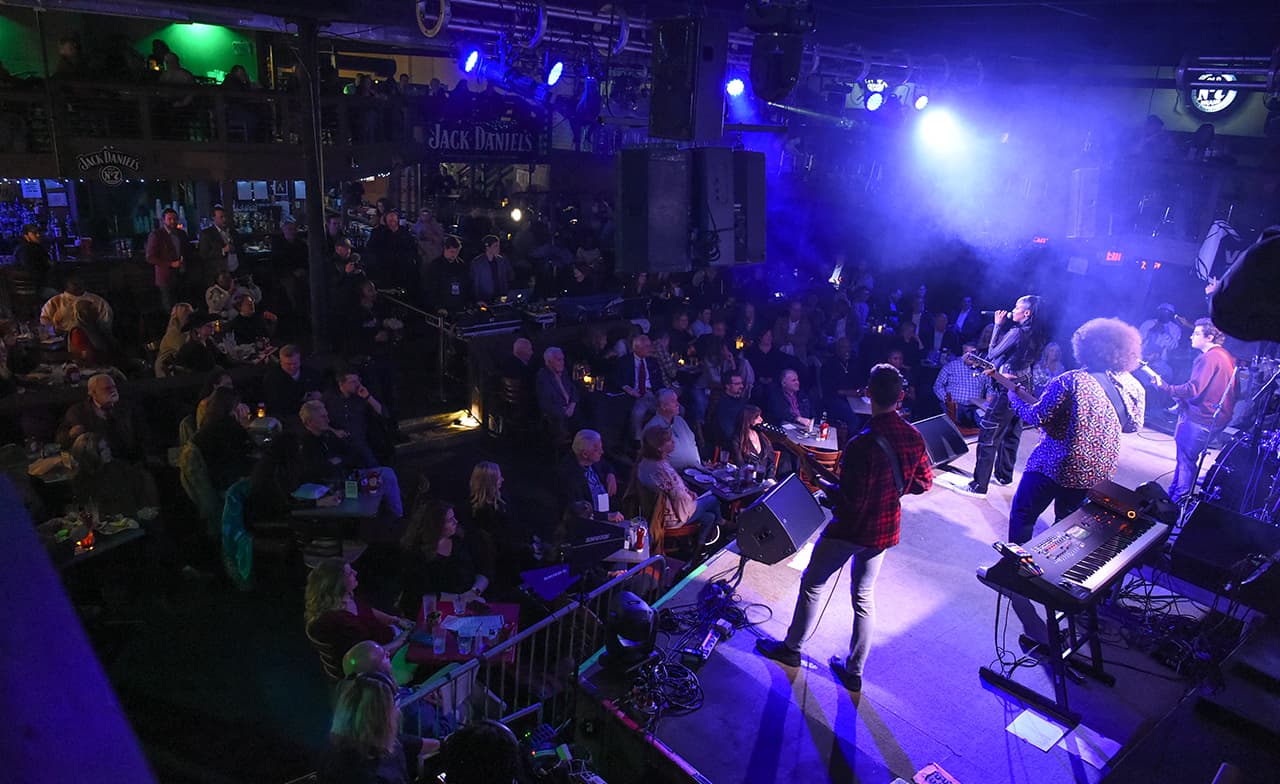
In a digital age, live performances offer a tangible experience that streaming cannot replicate. Concerts are unique, immersive events where fans engage directly with artists. This experience is critical for building a loyal fanbase and memorable artist-fan interactions. The atmosphere of a live event, fostered by collective energy, enhances fan loyalty and spurs merchandise sales. As streaming revenue stabilizes, touring has become even more vital for financial sustainability.
Enhancing Concert Experiences
Beyond performance, the integration of technology and creativity has transformed concerts into multisensory experiences. Elaborate stage setups, visual effects, and interactive elements make shows captivating events that fans eagerly share on social media. This synergy amplifies artists’ reach, turning memorable moments into online content that attract new audiences. Concerts are essential not only for revenue but also as a potent marketing tool that enhances an artist’s brand and visibility.
The Hybrid Artist: Balancing Digital and Physical Worlds
The modern artist must proficiently navigate both digital and physical realms to thrive. This duality allows artists to maximize their visibility and revenue streams by exploiting various aspects of the music industry.
Building a Digital Presence
An artist’s digital presence is essential for engaging with fans and fostering a loyal community. Platforms such as YouTube, Instagram, and TikTok provide venues for musicians to share content, promote new releases, and showcase their personality. Engaging content can range from behind-the-scenes footage and live Q&A sessions to music videos and creative collaborations. A vibrant digital presence enhances streaming potential and revenue by keeping fans engaged and informed.
The Importance of Collaboration
Collaborations extend musicians’ reach by cross-pollinating fanbases and creating synergy between artists. Alliances with other musicians, producers, or influencers introduce music to new audiences and generate buzz. These partnerships are a strategic way to boost streams and visibility while also creating new avenues for creative exploration. For example, strategic collaborations can lead to unexpected viral hits that propel artists into the spotlight, further expanding their audience and revenue potential.
Merchandising: Beyond the Music
For artists seeking to diversify income, merchandise offers a proven and profitable avenue. Selling unique, themed items allows artists to capitalize on their brand and provide fans with tangible memories.
The Merchandising Revolution
Merchandise has evolved beyond concert t-shirts and posters to include sophisticated product lines such as limited-edition vinyl, art prints, and exclusive apparel collections. Artists like Wizkid illustrate the potential of merchandise to significantly augment concert earnings. This proliferation not only increases revenue but also strengthens fan loyalty by offering items fans cherish as part of their collector culture. Artists create an ecosystem whereby engaging merchandise supports their music narrative and enhances their personal brand.
As the music industry continues to evolve, the interplay of streams, live revenue, and merchandising underscores the need for artists to be versatile and innovative. By adroitly navigating these facets, musicians can carve successful careers in an ever-changing landscape.
Q&A
-
How have streaming platforms impacted the music industry?
Streaming platforms have revolutionized the music industry by providing artists with a global reach and listeners with vast libraries of music at their fingertips. They have shifted the focus from physical sales to digital consumption, leading to a decline in traditional album sales but offering new revenue streams through subscriptions and advertisements. -
What are music royalties, and how are they calculated for streaming?
Music royalties are payments to rights holders (such as songwriters, composers, and artists) for the use of their music. In the context of streaming, royalties are typically calculated based on the number of streams a song receives, the platform’s revenue, and the specific agreements with artists or labels. This model can vary significantly between different streaming services. -
What challenges do independent artists face in the current music industry?
Independent artists often struggle with visibility and competition against established acts on streaming platforms. They may lack the marketing resources and industry connections that major record labels provide, making it harder to secure prominent playlist placements or radio play. However, they benefit from retaining more control over their music and potentially a larger share of royalties. -
How do record labels fit into the modern music distribution landscape?
Record labels continue to play a crucial role by providing financial support, marketing expertise, and industry connections that can elevate an artist’s career. They help with promotion, distribution, and sometimes even artist development. In the era of digital downloads and streaming, they also negotiate deals with platforms to maximize revenue and exposure for their artists. -
Why are live performances still important for musicians despite the rise of digital music consumption?
Live performances remain a vital source of income for musicians, as they offer unique experiences that cannot be replicated digitally. Concerts and tours allow artists to connect with fans on a personal level, build their brand, and generate significant revenue through ticket sales, merchandise, and sponsorships. Live shows often complement digital music consumption, driving interest and engagement with an artist’s recorded work.