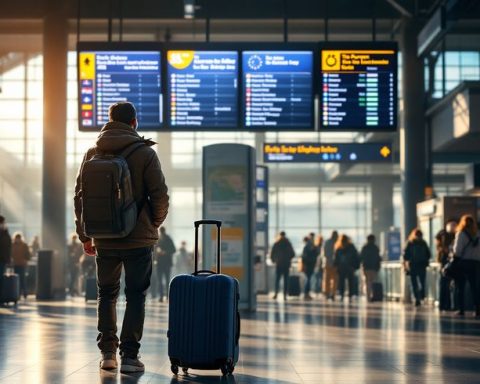
Navigating airports today involves mastering intricate regulations and adapting to advanced security systems. As travelers prepare for journeys, understanding documentation changes and size limits is crucial. Increasingly sophisticated protocols aim to streamline air travel, prioritizing passenger convenience while maintaining high standards of safety and efficiency in the ever-evolving aviation landscape.

Unpacking Modern Airport Security: What You Need to Know
Navigating airport security can feel overwhelming, especially with the advancement of technology and protocols designed to ensure passenger safety. Understanding the layers of this security landscape can make your travel experience smoother and more enjoyable.
The Changing Landscape of Security
Airport security has evolved to address new threats and utilize technological advancements for efficiency and protection. Agencies are introducing systems geared towards enhancing passenger experiences by resolving complaints swiftly and maintaining transparency. This shift is crucial as travelers become more discerning about their choices, often influenced by data on airline performance, baggage handling, and timeliness.
Significant resources are invested in infrastructure improvements, enhancing facilities such as runways to accommodate rising passenger numbers. These upgrades are vital for managing congestion and reducing security risks associated with crowded airports.
Protecting Personal Information
In a digital world, the security of personal data is paramount. For the aviation industry, protecting against cybersecurity breaches is critical because such incidents can expose sensitive passenger details and open doors to identity theft and fraud. Strengthening data security means implementing advanced encryption and robust access controls while conducting regular audits to pinpoint and rectify vulnerabilities.
The protection of aviation personnel’s information, like pilot data, is vital too. A breach here could lead to insider threats or unauthorized access to sensitive flight data. A proactive cybersecurity framework is essential, highlighting the sector’s commitment to safe and secure travel.
Geopolitical Risks and Global Coordination
Security extends beyond individual airports, encompassing international collaboration to manage threats from geopolitical tensions. Discussions on contingency planning for aircraft routing over conflict zones underscore the importance of preparedness and collaboration. By sharing information and coordinating security measures, countries and airlines work in unison to mitigate risks.
Effective airspace management is also essential. By monitoring threats and securely coordinating flights, industry stakeholders can ensure air travel safety. Such cooperation aims to maintain a stable security posture, reflecting the dynamic nature of geopolitical influences on aviation.
Navigating the Dynamics of Airline Policies
Beyond security, air travel involves understanding airline-specific policies that impact journey quality—from carry-on rules to seat selections, being informed is key.
Mastering Baggage Regulations
Airline carry-on guidelines are crucial for efficient travel. Each airline enforces its size and weight restrictions to maximize onboard space. TSA regulations specify that liquids in carry-ons must be in containers no larger than 3.4 ounces, collectively fitting in a clear quart-sized bag.
Adhering to these rules can save time and avoid additional fees. Awareness of checked baggage policies, from weight limits to fees, empowers travelers to make informed packing decisions, potentially saving on costs associated with oversize or overweight bags.
Optimizing Travel Comfort
Choosing the right seat can significantly affect your flight comfort. From aisle to window seats, or the extra space of bulkhead rows, understanding each option’s pros and cons enhances your experience. Some airlines allow seat selection at booking or offer upgrades for additional fees, offering flexibility based on passenger preferences.
Knowing airline policies on comfort items, like electronic devices or blankets, provides opportunities to plan personal comfort strategies during flights. It’s advisable to check airline-specific regulations before boarding to avoid surprises regarding device usage or available amenities.
Enhancing the Passenger Experience
Airlines constantly adapt to passenger demands, striving to improve experiences and maintain satisfaction. They do this by refining complaint handling systems and enhancing transparency about flight operations and delays. Access to current information empowers passengers, aiding decision-making and aligning expectations with realities.
Effective communication between airlines and passengers strengthens trust, ensuring a more comfortable and stress-free journey. Keeping informed about ongoing changes and updates is key to optimizing travel plans for both regular flyers and newcomers.
Planning for Jet Lag-Free Journeys
Managing jet lag begins with preparation. Understanding the factors that contribute to it, such as time zone changes and flight duration, is essential for mitigating its effects.
Pre-Flight Preparation
Adjusting sleep patterns before departure can reduce the severity of jet lag. Gradually shifting sleep times to coincide with your destination’s time zone can help the body adapt more comfortably. Staying hydrated, avoiding caffeine, and getting ample rest before a long flight are crucial.
During flights, using items like eye masks and neck pillows can enhance in-flight rest, particularly on lengthy journeys across multiple time zones.
In-Flight Adjustments
Consuming light meals and minimizing alcohol intake helps maintain hydration levels and reduces fatigue. Adjusting your watch to the destination’s time can mentally prepare you for the time change. Engaging in light stretching or walking around the cabin during long flights promotes circulation, combating stiffness and aiding in relaxation.
Upon arrival, adopting the local schedule for meals and sleep quickly aligns your body’s internal clock with the new time zone.
Post-Arrival Adaptations
Exposure to natural light can help reset your body’s circadian rhythms. Engaging in light physical activities and maintaining a regular meal schedule at your destination facilitates the adjustment process. Depending on duration and intensity, supplements like melatonin may assist in aligning your sleep cycle, though individual responses may vary.
Overcoming jet lag involves strategic planning and understanding key adjustment techniques, culminating in more enjoyable travel experiences.
Through careful navigation of security procedures, understanding airline policies, and managing travel-induced delay symptoms like jet lag, air travel can transform from a daunting task to a smooth and efficient journey. Staying well-informed and prepared is key to navigating the skies with ease and confidence.
Q&A
-
How can passengers mitigate the effects of flight delays?
To mitigate the effects of flight delays, passengers can sign up for airline alerts to receive real-time updates on flight status. It is also advisable to build in buffer time when scheduling connecting flights or important meetings. Passengers can use airport lounges to relax during delays, and keeping essential items like snacks, chargers, and entertainment within easy reach can make waiting more comfortable.
-
What are the benefits of joining an airline loyalty program?
Airline loyalty programs offer numerous benefits, such as earning points or miles for each flight, which can be redeemed for free flights, upgrades, or other rewards. Members often receive preferential treatment, including priority boarding, access to lounges, and waived fees for checked bags. Frequent flyers can also attain elite status, offering additional perks like complimentary upgrades and increased baggage allowances.
-
How can travelers choose the best seat selection for their flight?
Travelers can choose the best seat by considering factors such as legroom, seat recline, proximity to restrooms, and window or aisle preference. Online seat maps and reviews on platforms like SeatGuru can provide insights into seat quality. Additionally, early booking increases the chances of securing preferred seats, and some airlines offer seat selection for a fee, which might be worth it for more comfort on long-haul flights.
-
What strategies can help alleviate jet lag?
To alleviate jet lag, travelers can adjust their sleep schedules a few days before travel to match their destination’s time zone. Staying hydrated, avoiding caffeine and alcohol, and getting natural sunlight exposure upon arrival can also help. Using sleep aids like eye masks and earplugs during the flight may facilitate rest, and maintaining a light schedule on the first day can aid in acclimating to the new time zone.