Imagine a world where technology transforms how we shop, learn, and navigate. With seamless integration into everyday routines, emerging innovations create more personalized experiences and drastically change customer expectations, setting the stage for a revolutionary shift in the interplay between consumers and digital interfaces.
Augmented Reality: Revolutionizing Retail Experiences
Augmented Reality (AR) is reshaping the retail sector, providing customers with innovative ways to interact with products. By allowing users to visualize items in their own environment, AR is enhancing the shopping experience and inspiring confidence in purchase decisions. In the fast-paced retail world, AR is proving to be a game-changer, particularly through the use of interactive displays.
Interactive Display Innovations
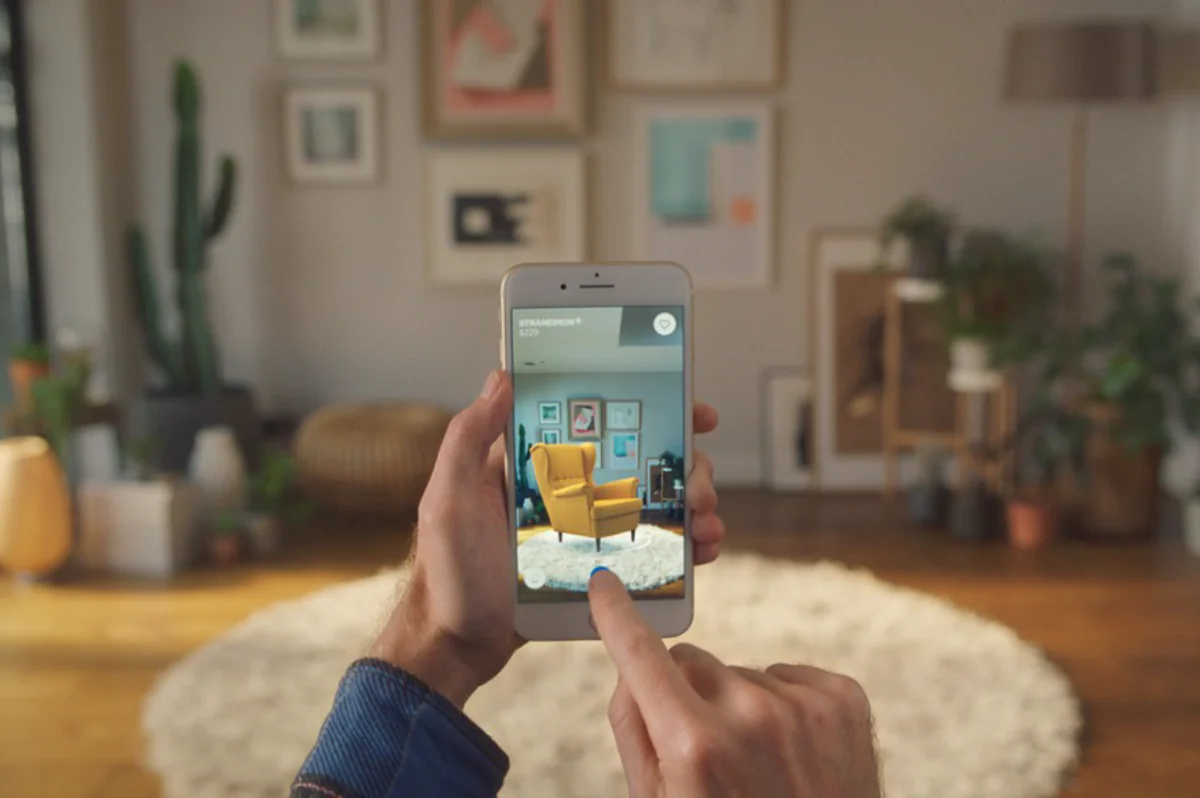
A standout feature in AR’s retail application is its capability to create interactive displays. These displays transcend simple images or videos, allowing users to engage with products virtually. Consider the scenario of buying a new sofa—AR apps enable users to virtually place the furniture within their living spaces using their smartphone or tablet. This virtual placement offers a 360-degree view, providing a realistic sense of how the product will look alongside their existing decor.
AR also simplifies decisions like selecting paint shades for home interiors. Rather than making choices based on small swatches, users can virtually “paint” their walls in various colors and see them under different lighting conditions. These capabilities significantly reduce the uncertainty many consumers face when making purchasing decisions and enhance the overall shopping experience.
Virtual Try-Ons in Fashion and Beauty
The impact of AR is most evident in the fashion and beauty industries where virtual try-ons are revolutionizing how consumers shop. Gone are the days of cluttered fitting rooms or messy cosmetic testers. With AR, users can try on clothes, eyewear, and makeup virtually. All they need is a device with a camera, such as a smartphone or tablet.
For example, potential eyewear buyers can experiment with different frames and colors through an AR app, while cosmetic enthusiasts can apply virtual lipstick and eyeshadow to test how different shades suit them. This technological advancement not only saves time but also introduces consumers to styles and products they might not have considered otherwise, effectively broadening their shopping horizons.
Advancing Mobile Shopping
The integration of AR into mobile shopping apps is boosting user engagement and satisfaction by offering fluid, responsive interactions. The ability to view products as 3D models in one’s own space or try them on virtually through AR-powered ads adds a new dimension to commerce. These immersive experiences are a growing trend, increasing consumer confidence and driving purchase intent.
Retailers are observing reduced returns and higher satisfaction rates as AR provides a more accurate depiction of products. As online shopping continues to evolve, AR is bridging the gap between digital convenience and the tactile assurance offered by physical stores.
Navigating the Future with AR and Visual Search Technology
Augmented Reality is rapidly morphing navigation and search technology, providing interactive tools that redefine user experiences. As AR becomes more intertwined with everyday technologies, its impact is especially notable in navigation and visual search endeavors.
AR in Navigation
In navigation, AR is creating new paradigms through its ability to overlay information onto real-world views. When navigating unfamiliar locales, AR can display directional arrows and real-time updates directly onto the user’s path, optimizing route efficiency and user understanding. This facilitates not only convenience but also safety, as users benefit from situational awareness without diverting their attention away from their surroundings.
AR maps are particularly beneficial in urban environments where traditional GPS systems may struggle due to building density. By leveraging digital enhancements, users receive tailored information that streamlines their experience, whether they’re moving on foot, by car, or via public transit.
Enhancing Product Discovery with Visual Search
Visual search technology, when integrated with AR, revolutionizes the way consumers discover and engage with products. This technology enables users to conduct searches using images instead of keywords, significantly enhancing the accuracy and relevance of search results.
For instance, users can photograph a desired product and instantly receive details about where it can be purchased or what alternatives are available. This seamless integration of AR with AI-driven visual search capabilities enhances the shopping experience, driving higher engagement levels and improving overall satisfaction.
The Role of AI in AR and Visual Search
Underlying both AR navigation and visual search technology is the power of artificial intelligence. AI personalizes and optimizes experiences by analyzing user data to offer tailored suggestions. Enhanced personalization has been shown to influence more than 50% of online purchases, building a stronger rapport between consumers and brands.
By continuously refining these intelligent systems, AR applications will only grow more effective and capable of anticipating and responding to user needs. As a result, consumers will enjoy ever-more intuitive and rewarding experiences.
The Social and Economic Impact of AR in Retail
Augmented Reality (AR) is driving a transformative shift in consumer habits, introducing an era where shopping, learning, and daily interactions are increasingly dictated by smart technology. This evolution not only changes individual experiences but also shapes broader social and economic landscapes.
Impact on Consumer Behavior
AR’s influence on consumer behavior is profound, providing enhanced interactivity and engagement within the shopping journey. With AR, consumers enjoy a newfound level of personalization, enabling them to tailor experiences to fit their unique preferences. This degree of customization has revolutionized how consumers interact with brands and products.
Virtual try-ons, interactive product demos, and personalized suggestions enabled by AR empower consumers, leading to more informed decisions. This interplay of technology and consumer choice strengthens brand loyalty and elevates consumer satisfaction.
Economic Implications of AR Adoption
Over the coming years, the AR shopping market is expected to grow rapidly, with annual increases exceeding 40% within key sectors like fashion, cosmetics, and home goods. This growth signifies a larger economic impact as retailers invest in and adopt AR technologies to meet changing consumer expectations.
These technologies not only enhance consumer confidence but also drive conversions, especially in industries that benefit from visual representation. As a result, businesses are seeing a significant reduction in return rates, lowering costs associated with handling returns and boosting overall business efficiency.
The Future of AR in Retail
As AR technology matures, its applications within the retail sector are expanding. From virtual malls to digital fitting rooms, AR is shaping the future of shopping in ways that promise to increase convenience and satisfaction. Retailers focused on delivering these immersive experiences are likely to lead in the market, redefining customer engagement and overcoming traditional barriers.
AR’s journey in the retail landscape exemplifies a larger trend towards technology-driven interactions. As the digital and physical worlds merge, AR will continue to influence consumer habits and reshape the economic landscape, ultimately paving the way for innovative business models and enhanced consumer experiences.
Conclusion
Augmented Reality is revolutionizing how we shop, learn, and traverse the digital and physical landscapes. By creating immersive experiences across various sectors, AR not only enhances consumer satisfaction but also transforms conventional business strategies. As we navigate these changes, the potential for AR to redefine human interaction grows, promising a world where technology seamlessly integrates with daily life to enrich our perceptions and decision-making processes.
Question and Answer
-
How is Augmented Reality (AR) transforming the retail industry?
Augmented Reality (AR) is revolutionizing the retail industry by enhancing the shopping experience through interactive and immersive technology. It allows consumers to visualize products in their own space, virtually try on clothing and accessories, and interact with 3D product models. This not only reduces uncertainty in online shopping but also decreases return rates, as customers can make more informed decisions. Retailers benefit from increased consumer engagement and satisfaction, ultimately driving sales and fostering brand loyalty.
-
What role does AR play in education, and what are some examples of AR education tools?
AR plays a significant role in education by providing interactive and immersive learning experiences. It brings educational content to life, making abstract concepts more tangible and easier to understand. Examples of AR education tools include AR-enabled textbooks that display 3D models and animations when scanned with a smartphone or tablet, and AR apps that offer virtual lab experiments, historical site reconstructions, or anatomy visualizations. These tools enhance engagement, motivation, and comprehension among students.
-
In what ways are mobile AR applications enhancing navigation experiences?
Mobile AR applications enhance navigation by overlaying digital information onto the physical world, providing real-time directions and information. For instance, AR navigation apps can display arrows on the street to guide users to their destination, highlight points of interest, and provide contextual information about landmarks. This approach makes navigation more intuitive and engaging, especially in complex environments like urban areas or large indoor spaces such as shopping malls and airports.