In the realm of capturing unforgettable journeys, the delicate dance of elements such as ambiance and finesse plays a crucial role. Understanding how to blend artistic vision with technical skills can transform simple snapshots into captivating tales that resonate with the essence of adventure and discovery.
Capturing Light: Harnessing Natural and Artificial Illumination
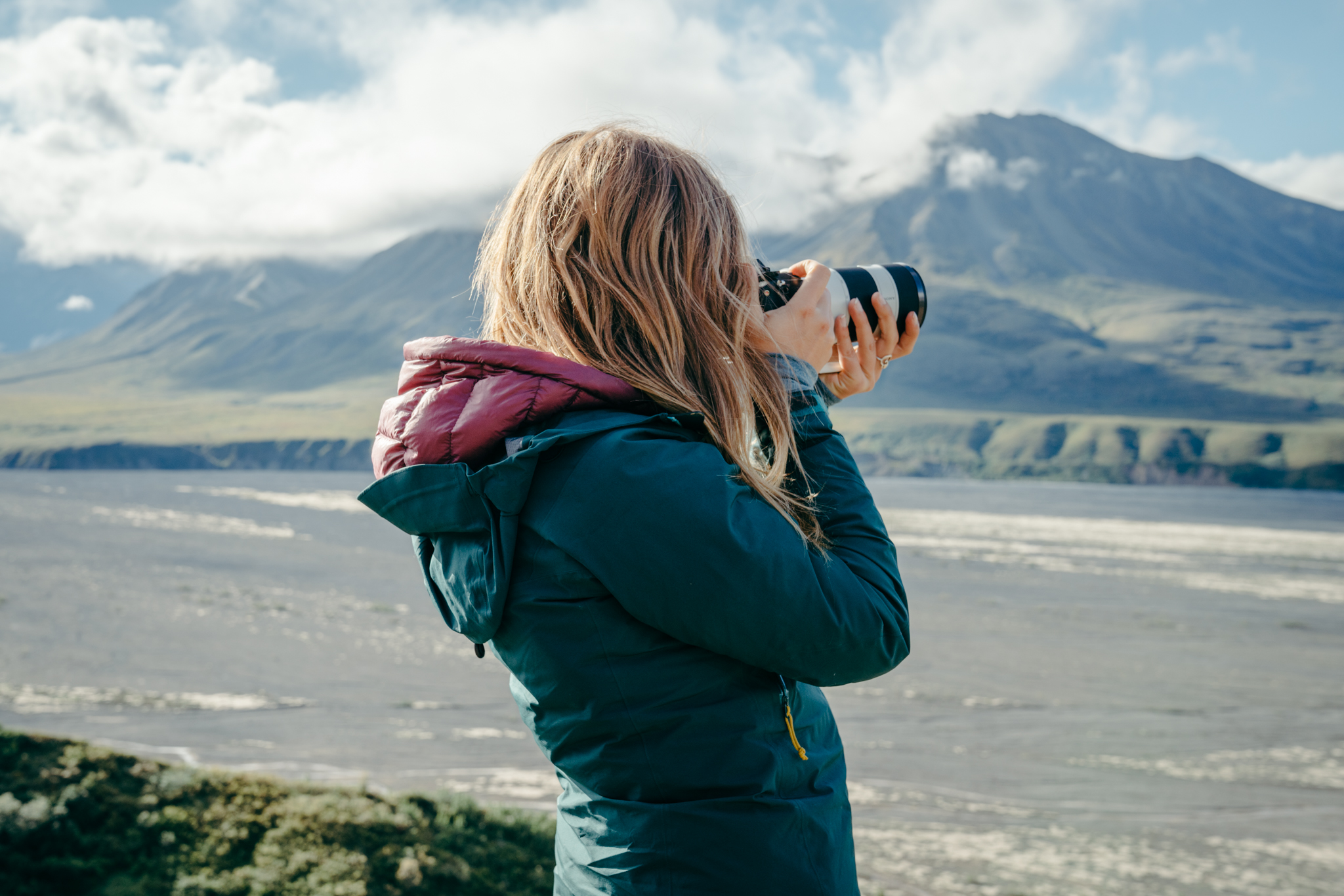
Light is the soul of photography. Whether it be natural or artificial, understanding how to utilize it effectively can make the difference between an ordinary photo and an extraordinary one. This is particularly essential in travel photography, where encountering varied lighting conditions is inevitable.
Understanding and Using Natural Light
Natural light is ever-changing, offering opportunities that vary with the time of day and weather conditions. It requires an adaptive approach to harness its full potential.
-
Golden Hour Benefits: The golden hour, those moments after sunrise and before sunset, delivers a warm, soft glow that enhances landscapes and portraits. This unique lighting can add atmosphere and depth to your travel photos. Practice varying your compositions, capturing different moods at these special times.
-
Managing Harsh Conditions: The brightness of midday sun often presents challenges like strong shadows. Seeking open shade helps mitigate these issues, providing gentle, even lighting. Alternatively, employing a diffuser can soften harsh sunlight, allowing for more balanced photographs.
-
Advantages of Overcast Skies: Cloudy weather offers photographers beautifully diffused light that is perfect for capturing textures and details. When photographing architecture, markets, or people, consider the benefits of even lighting to avoid unwanted shadows.
Maximizing Artificial Lighting
While natural light is typically ideal, artificial light can be indispensable, especially during indoor or nighttime shoots.
-
Available Light Sources: Make the most of existing light sources, such as street lights and shop displays. These elements can illuminate your subject or provide compelling compositional elements if integrated intentionally.
-
Fill Flash Techniques: A fill flash can enhance facial features in portraits, filling in shadows and balancing lighting. It’s essential to use it subtly, ensuring the existing light isn’t overwhelmed.
-
Using Long Exposures: Capturing light trails or softening water with long exposures can yield ethereal results. In such situations, a sturdy tripod is crucial to avoid blur caused by camera shake.
Combining Techniques for Impact
Effective travel photography often involves blending natural and artificial light sources to achieve the desired look.
-
Balancing Light Sources: Pay attention to the color temperature differences between light sources to harmonize the overall scene. Adjusting camera settings or using tools like white balance correction can be beneficial.
-
Experimental Approaches: Don’t hesitate to try new methods or settings. Sometimes, striking results come from unexpected combinations of light and techniques.
-
Post-Processing Enhancements: Software like Lightroom and Photoshop allows for further refinement post-shoot. Adjust brightness, contrast, and color to enhance your images, bringing out hidden details.
By mastering these techniques, your travel photographs can transform from mere snapshots to dynamic visual narratives, filled with life and story. The key is to wield light with skill, adapting to the shifting environments you encounter.
Framing the Moment: Techniques for Compelling Composition
Creating a powerful photo relies heavily on composition — using creative framing and thoughtful placement to guide the viewer’s eye. Good composition allows you to share the experiences behind each shot, offering a glimpse into the world as you see it.
Utilizing Composition Techniques
Developing a keen eye for different compositional elements can elevate your work significantly.
-
Incorporating Frames: Use natural or architectural features to create frames around your subject. Doing so can add layers of depth and focus to your work, be it through the arch of a doorway or the branches of a tree.
-
Applying Leading Lines: Elements like roads or rivers can serve as leading lines, naturally directing the viewer’s focus to areas of interest. Utilize diagonals to instill a sense of movement or guide attention.
-
Rule of Thirds: This classic guideline involves dividing the image into a grid of nine and placing critical elements along the lines or at intersections. It promotes balance, preventing the image from feeling cluttered and ensuring the subject stands out.
Balancing Elements
Creating engaging travel photos often requires a delicate balance between different elements within a scene.
-
Foreground and Background: Use both to provide context and a sense of scale. Including foreground interest can enrich the narrative, prompting viewers to explore the image further.
-
Exploring Perspectives: Shifting your angle or shooting from unorthodox heights (high or low) can unveil fresh perspectives. These unconventional approaches can result in more engaging and memorable compositions.
Navigating Through Challenges
Travel photography presents unique challenges that demand creative solutions.
-
Handling Crowds: Employ wide-angle lenses to capture expansive scenes or focus on particular details when dealing with busy locations. Sometimes narrowing your focus can isolate a subject or moment, offering clarity amid chaos.
-
Tackling Harsh Lighting: Schedule shoots during favorable lighting conditions like the golden hour. If unavoidable, use accessories like diffusers or reflectors to manage light effectively.
Conveying Context Through Composition
Incorporating environmental elements can enrich your storytelling by providing viewers with more context about the setting and mood.
- Environmentally Integrated Shots: By including surroundings in your composition, you can create a more comprehensive picture that tells a story of a place or culture, bridging the gap between your experience and the viewer’s imagination.
Through careful compositional choices and a willingness to experiment, you can create travel photos that resonate on a deeper level, inviting viewers into your narrative and immersing them in the places you’ve captured.
From Shutter to Story: Turning Images into Narratives
The true art of travel photography lies in creating a story that captivates. Beyond capturing beautiful images, it’s about conveying an emotion, a moment, a memory that speaks to the viewer.
Beyond the Aesthetic: Storytelling in Images
Every picture holds the potential to tell a broader narrative. It’s about seeing beyond the obvious and capturing the story beneath the surface.
-
Narratives Through Details: Focus on capturing elements that embody the local culture — be it a bustling market scene or the intricate details of craftsmanship. These snapshots provide a deeper insight into the place.
-
Human Element: Stories centered around people, their expressions, and interactions are often the most compelling. Capture candid moments that reveal their unique stories and characters.
Organizing for Context
Maintaining a well-organized photo archive allows you to piece together narratives more effectively.
-
Tagging and Metadata: Consistently tagging photos with relevant details like location, date, and subject helps keep them manageable. This practice is invaluable for the storytelling process.
-
Photo Management Tools: Software such as Lightroom offers powerful tools for managing and categorizing your photos, allowing you to explore and build narratives with greater ease.
Crafting Emotionally Resonant Stories
Photographs that resonate with emotion have the power to move viewers and leave a lasting impression.
-
Emotional Impact Through Color: Use color grading to evoke specific emotions. Warm reddy hues might convey nostalgia, while cooler tones can suggest tranquility or introspection.
-
Capturing Genuine Expressions: Aim to catch authentic moments that convey emotion or tension. A subtle glance or a candid smile can add depth and authenticity to your stories.
Drawing Inspiration from Others
Studying the work of other photographers can offer inspiration and insight into effective storytelling techniques.
- Analyzing Influential Work: Look at notable works in travel photography to learn how others weave stories into their images. Consider the techniques they use and how these can be incorporated into your approach.
By focusing on storytelling, you transform your travel photography from a series of snapshots into a rich narrative tapestry that invites others to see the world through your eyes.
Protecting Your Art: Smart Photo Storage on the Go
While snapping incredible shots is key, preserving these visual memories is equally crucial. Here’s how you can safeguard your images and ensure their longevity.
Robust Portable Storage Solutions
Choosing the right storage tools is paramount for keeping your images safe during your travels.
- SSDs and Rugged Drives: Portable SSDs are reliable for their speed and durability. Dual SD card slots serve as immediate backups. Rugged external drives provide ample storage with protections against elements.
Integrating Cloud Solutions for Backup
Cloud platforms offer secure and accessible backup options.
-
Cloud Services: Uploading photos to Google Drive, Dropbox, or Adobe Cloud provides offsite security, crucial in the event of hardware malfunction or theft.
-
Real-time Sync: Having images backed up as they’re taken ensures peace of mind but requires connectivity to be effective.
Backup Strategies for Complete Security
A robust backup routine is essential in preventing image loss.
-
The 3-2-1 Rule: By maintaining three copies across two mediums, with one offsite, you maximize protection against data loss.
-
Regular Transfers: Make daily backups routine to avoid accumulating unprotected images, and test backups to confirm their integrity.
Physical and Software Safeguards
Protect your equipment and data with smart practices.
-
Shockproof and Weather-Resistant Equipment: Cases and bags that cushion against impact help protect your investments.
-
Utilize Photo Management Apps: Tools like Adobe Lightroom Mobile backup images and provide organizational features that keep your library orderly and accessible.
Embedding these storage strategies into your travel routine ensures that your photo collection remains a lasting testament to your experiences, ready to inspire and captivate for years to come.
Q&A
-
What are some essential camera settings for beginners to understand?
Beginners should familiarize themselves with three main camera settings: aperture, shutter speed, and ISO. Aperture controls the depth of field, affecting how much of the scene is in focus. Shutter speed determines how long the camera’s sensor is exposed to light, which can freeze or blur motion. ISO adjusts the camera’s sensitivity to light, which can help in low-light conditions but may introduce noise at higher levels. -
How do different lighting conditions affect photography, and how can they be managed?
Lighting conditions greatly influence the mood and clarity of a photo. Harsh midday sunlight can create strong contrasts and shadows, while golden hour light (shortly after sunrise or before sunset) provides a softer, more flattering glow. To manage lighting, photographers can use reflectors to bounce light, diffusers to soften it, or adjust camera settings like white balance to ensure accurate color representation. -
What are some composition tips that can enhance a photograph?
Composition is key to creating visually appealing photos. Use the rule of thirds by placing the subject off-center to create more interest. Leading lines can guide the viewer’s eye through the image, while framing can add context and focus attention on the subject. Additionally, consider the background and eliminate distractions to keep the composition clean and focused. -
Which editing software is recommended for photographers, and what features should they look for?
Popular editing software includes Adobe Lightroom and Photoshop, both offering powerful tools for enhancing photos. Photographers should look for features like non-destructive editing, which allows changes without altering the original image, and a range of filters and adjustments for exposure, color, and sharpness. User-friendly interfaces and robust organizational tools are also valuable for managing large photo libraries. -
What are the best practices for photo storage to ensure long-term preservation?
To ensure photos are preserved for the long term, photographers should use a combination of cloud storage and physical backups. Cloud services like Google Photos or Dropbox offer accessibility from anywhere, while external hard drives provide additional security. It’s important to organize photos with clear naming conventions and metadata for easy retrieval and consider using RAID systems for redundancy to protect against hardware failures. -
How can photographers create storytelling shots that engage viewers?
Storytelling shots capture moments that convey emotion or narrative. To achieve this, photographers should focus on capturing candid moments, emphasizing expressions and interactions that tell a story. Incorporating environmental elements can add context and depth, while experimenting with angles and perspectives can provide unique viewpoints. Consistency in theme and style across a series of photos can also enhance the storytelling aspect.