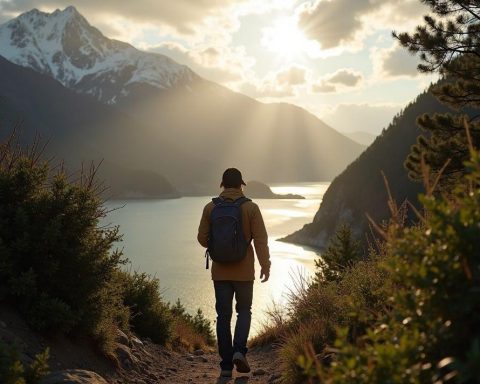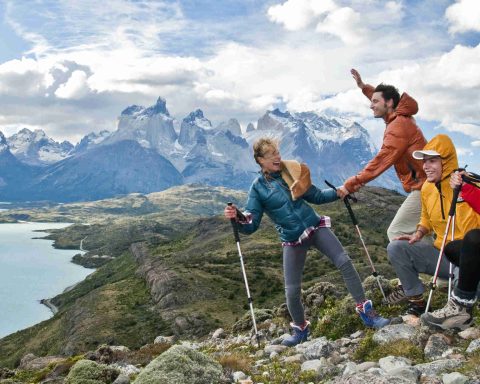
Pioneers of thrilling pursuits embark on journeys that test both stamina and determination. As technology blurs with nature, enthusiasts find themselves armed with innovations designed to enhance performance and safeguard their endeavors amidst rugged terrains. Gear up with resilience to explore the untamed beauty of the wild’s greatest feats.

Essential Gear: Equipping for the Ultimate Adventure
Adventure travel is exhilarating, but it also comes with risks. The right equipment can make the difference between a thrilling exploit and a treacherous ordeal. Here, we explore crucial gear for various adventure sports, focusing on how each piece enhances safety and improves the overall experience.
1. Safety Innovations for Climbing and Rafting
Climbing rocks or gripping a raft through whitewater demands specialized equipment that protects adventurers from significant physical risk.
Rock climbing, for instance, relies heavily on advanced harnesses and dynamic ropes. These help maintain safety while ensuring flexibility in movements crucial for both ascend and descend. Innovations such as smart helmets now incorporate impact sensors that detect falls and alert emergency contacts if necessary, providing an added layer of protection.
In the realm of whitewater rafting, life jackets and helmets are the non-negotiables, along with quick-release systems. These can save lives in tumultuous waters. The integration of wearable GPS and heart rate monitors allows rafters to track their location in real time and keep tabs on their physical condition, ensuring both navigation and health are closely monitored.
2. Biking and Zip-Lining: Cutting-Edge Safety Measures
Mountain biking and zip-lining bring their own unique thrills and require distinct safety measures. For mountain bikers, full-face helmets and body armor are essential to guard against falls and collisions since these environments can be unpredictable. Rapidly advancing suspension technology and smart bike sensors have made it possible for riders to tackle increasingly complex terrains with confidence. The sensors also offer real-time feedback on the bike’s performance, helping riders make quick adjustments for smoother rides.
Zip-lining, on the other hand, prioritizes cable inspection tools and secure harnesses. Automated braking systems have emerged as pivotal innovations in this area, offering better control as thrill-seekers zip through forest canopies. Backup systems deliver peace of mind by ensuring safety mechanisms are crossed-checked, thereby reducing the risk of mishaps.
3. Integrating New Technologies with Traditional Gear
The fusion of traditional gear with cutting-edge technology is steadily transforming adventure sports. The table below highlights these synergies across different activities:
| Activity | Safety Gear | Physical Training Focus | Technological Innovation |
|---|---|---|---|
| Rock Climbing | Advanced harnesses, dynamic ropes | Strength and endurance for grip and balance | Smart helmets with impact sensors |
| Whitewater Rafting | Life jackets, helmets, quick-release systems | Cardiovascular fitness, core stability | Wearable GPS and heart rate monitors |
| Mountain Biking | Full-face helmets, body armor | Leg strength, reflexes, and stamina | Suspension technology and smart bike sensors |
| Zip Lining | Cable inspection tools, harnesses | Upper body strength, flexibility | Automated braking systems and safety backups |
The data illustrates the crucial role of safety gear in conjunction with physical training and technological advancements. Each activity demands its unique set of gear and tech innovations to address its challenges, while physical preparation ensures participants are equipped with the strength and endurance needed to meet these rigors head-on.
Preparing the Body: Physical Training Meets Adventure
Physical preparation is a cornerstone of safe and successful adventure travel. Tailoring a fitness regimen to the specific needs of your chosen activity is essential. This section delves into key areas of focus for various adventure sports.
1. Building Core and Cardiovascular Endurance
For activities like rock climbing and whitewater rafting, which demand significant cardiovascular stamina and core strength, endurance training becomes paramount. Including activities like hiking, swimming, and cycling helps build the aerobic foundation required for sustained exertion. Cardiovascular workouts, combined with core stability exercises, prepare the body to handle challenging conditions and prevent fatigue.
Strength training is equally vital, focusing on areas that directly impact performance. Grip strength for rock climbing and core stability for whitewater rafting are examples where targeted exercises yield substantial improvements. Balancing these activities with flexibility routines like yoga ensures muscle readiness and reduces the likelihood of injury.
2. Focusing on Agility and Reflexes
Mountain biking is an adrenaline-filled pursuit that emphasizes leg strength, but also requires quick reflexes and balance. A routine focusing on plyometric drills, squats, and lunges builds the agility necessary for navigating unpredictable trails. Reflex training through sports like basketball or soccer can further enhance quick decision-making skills on rough terrain.
Similarly, zip-lining requires upper body strength and flexibility for harness and tool handling. Weight training for the shoulders and arms, coupled with flexibility exercises, prepares adventure enthusiasts for the physical demands of these exhilarating experiences.
Technologies Paving the Way for Smarter Travel
Innovation in technology continues to break barriers in adventure sports by improving safety, enhancing performance, and making outdoor activities more accessible to new audiences.
1. Navigational and Monitoring Systems
Advanced GPS and performance analytics tools are increasingly being utilized to track an adventurer’s progress and locate mishaps. These tech advances provide a wealth of data which can be used to optimize routes and strategies, enhancing both safety and enjoyment.
2. Artificial Intelligence in Adventure
AI is playing a growing role in ensuring safety with intelligent equipment capable of auto-regulating functions. Be it through self-adjusting gears, intelligent monitoring systems, or route planning algorithms, AI is pushing boundaries and setting new standards in adventure travel.
By weaving these elements together and recognizing the interplay between physical readiness, technological aids, and protective measures, adventurers can chart their paths through the most thrilling landscapes confidently and sustainably.
Q&A
-
What essential safety gear is required for rock climbing?
For rock climbing, essential safety gear includes a climbing helmet, harness, climbing shoes, belay device, carabiners, quickdraws, and a climbing rope. Each piece of equipment plays a critical role in ensuring the climber’s safety by providing support, protection, and security during the climb.
-
How does physical training enhance performance in mountain biking?
Physical training enhances performance in mountain biking by building cardiovascular endurance, muscle strength, and flexibility. Training programs often include aerobic exercises, strength training, and core workouts to improve balance and control, allowing riders to handle rough terrains and long-distance rides with greater efficiency and reduced risk of injury.
-
What are the safety considerations for whitewater rafting?
Safety considerations for whitewater rafting include wearing a personal flotation device (PFD), helmet, and appropriate footwear. It’s also important to understand river signals, paddle commands, and rescue techniques. Rafters should be aware of the river’s classification to match their skill level and be prepared for sudden weather changes.
-
What benefits does zip lining offer beyond the thrill of the ride?
Beyond the thrill, zip lining offers benefits such as increased adrenaline levels, which can improve mood and energy. It also provides a unique perspective of nature, encouraging appreciation for the environment. Additionally, zip lining can help overcome fear of heights, boosting confidence and mental resilience.
-
How can one prepare physically for engaging in outdoor adventure sports like rock climbing and mountain biking?
Preparing physically for outdoor adventure sports involves a combination of strength training, cardiovascular exercises, and flexibility routines. Rock climbers should focus on grip strength, upper body, and core workouts, while mountain bikers benefit from leg strength and endurance training. Both sports require good flexibility to enhance range of motion and prevent injuries. Regular practice and gradual progression in difficulty levels are also crucial for building confidence and skill.