
As global learning environments evolve, vibrant interactions among diverse cultures reshape educational landscapes. This dynamic exchange advances academic pursuits and fosters mutual understanding, creating pathways for individuals to thrive in interconnected societies. The fusion of varied perspectives enriches personal and professional realms in profound ways.
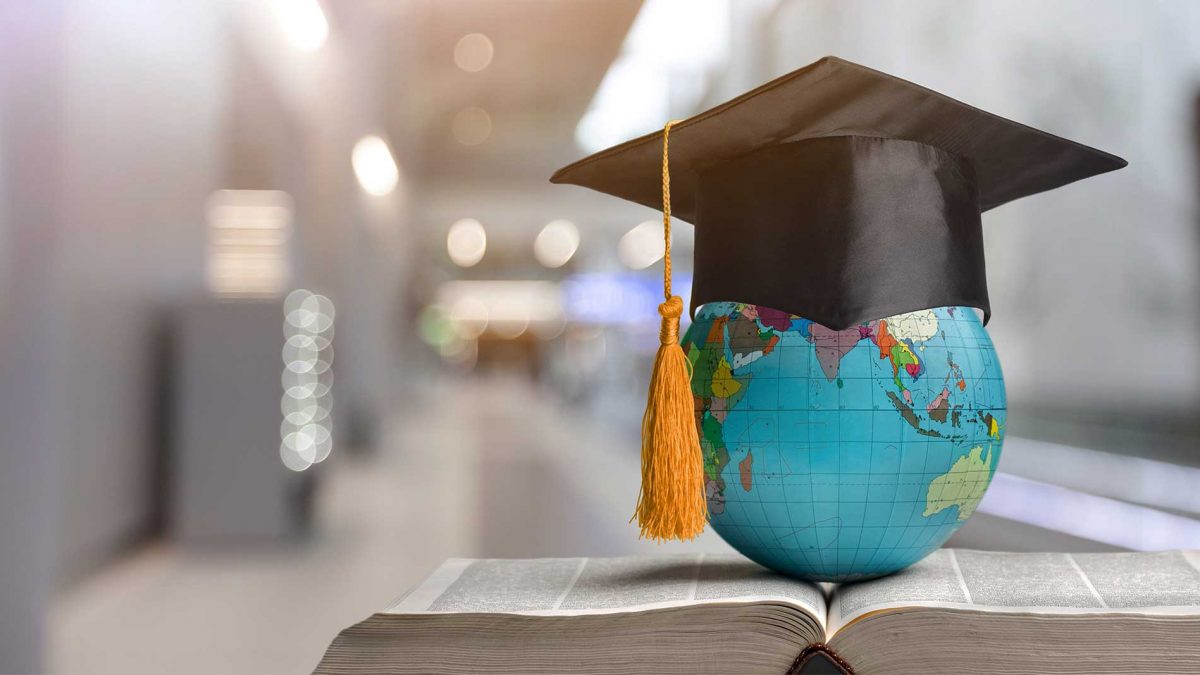
Cultural Immersion: The New Face of Global Education
Cultural immersion programs are crucial to today’s global education landscape. Beyond mere academic exchanges, these initiatives provide transformative experiences by immersing students in different cultural contexts, enhancing their adaptability and understanding.
Experiential Learning and Adaptability
Experiential learning, particularly in cultural immersion programs, is transformative. Students live with host families, participate in community service, and engage with unfamiliar environments. These encounters push boundaries, compelling students to adapt and develop problem-solving skills outside traditional academic settings. For instance, a student studying in a foreign country may face language barriers and have to navigate everyday tasks, learning through firsthand experience rather than textbooks. This approach nurtures not only adaptability but also instills confidence and leadership capabilities essential for personal growth.
A notable example is offered in certain programs in the UK and USA, where students partake in homestays, directly engaging with local customs and community life. This real-life context enables students to develop an enriched global understanding, equipping them to solve complex global problems collaboratively. Such programs also highlight the challenges of language barriers and cultural shock but provide a platform for overcoming these obstacles while building significant interpersonal skills.
The Role of Language and Cultural Understanding
Language acquisition is integral to cultural immersion, facilitating deeper cultural engagements and understanding. Speaking the local language offers insights into cultural nuances, enhancing the appreciation of different worlds. For instance, students who learn the local language of their host country can better understand cultural humor, idioms, and local expressions that carry cultural significance. This enriched interaction fosters a greater understanding of global citizens, which is vital in our interconnected world.
Furthermore, a lack of language skills can be a barrier, akin to appreciating a symphony with earplugs. Language learning within immersion programs thus becomes a critical component, facilitating meaningful cross-cultural communication and understanding.
Beyond Borders: How Student Mobility Shapes Global Mindsets
International education, particularly through student mobility, transforms how students engage with and perceive the world. By moving beyond borders, these programs foster inclusive worldviews and promote global citizenship.
Broadening Perspectives through Intercultural Learning
Student mobility across continents introduces learners to diverse educational contexts, broadening their perspectives. Such exposure challenges preconceived notions, encouraging students to view the world through a more nuanced lens. For example, students involved in exchange programs, like the Fulbright or Rhodes, immerse themselves in new academic environments and are exposed to diverse teaching methods and research opportunities. These programs encourage students to take ownership of global challenges, promoting responsible global citizenship.
Moreover, intercultural learning fosters empathy, urging students to understand and appreciate different cultures by engaging actively with them. This understanding expands students’ worldviews and nurtures a commitment to addressing global challenges collaboratively.
Enhancing Communication Skills
Effective communication within diverse cultural backgrounds is paramount. Student mobility programs enhance communication skills through language acquisition and non-verbal cues understanding. Language often acts as a bridge, offering a common platform for interaction and understanding. Environments that necessitate language learning, such as study abroad programs, aid students in becoming adept communicators across cultures.
Additionally, the ability to interpret non-verbal cues, which vary significantly across cultures, is a valuable skill. Understanding these nuances enables students to engage effectively across cultural divides, fostering meaningful interpersonal relationships.
Fostering Leadership
Leadership in a global context is often cultivated through student mobility. Encountering unfamiliar cultural landscapes challenges students to step outside their comfort zones, building resilience and confidence. Programs like peer-led initiatives empower students, enabling them to assume leadership roles and contribute positively to community services abroad. This empowerment through leadership not only benefits the students but also significantly impacts their host communities.
Such experiences prepare students for leadership roles by instilling a sense of social responsibility and ethical decision-making required to manage global disparities effectively.
Unveiling the Tapestry of Global Learning: Scholarships, Exchanges, and Cultural Insights
The pathway to global education is replete with opportunities, from scholarships to cultural exchanges, each fostering unique learning experiences.
Navigating Scholarship Opportunities
The vast array of scholarships available offers financial support, enabling students to pursue international education. Scholarships, whether merit-based or need-based, from institutions or government bodies, serve as gateways for students seeking diverse educational experiences. For instance, numerous scholarships target specific demographics, encouraging underrepresented groups to explore international education.
Understanding the specific eligibility criteria and application processes of these scholarships is vital. Early research and preparation can unveil numerous openings, alleviating financial constraints associated with international education.
Exploring Exchange Programs
Exchange programs serve as structured avenues for students to study in different countries, enhancing their educational experience. These programs, often based on reciprocity between universities, offer students the chance to experience different academic settings while earning degree credits.
Such programs provide platforms for students to compare and contrast international education systems, fostering mutual understanding and future collaborations. These experiences not only contribute to personal growth but also enhance employability.
Gaining Cultural Insights Through Immersion
Cultural immersion through programs like homestays provides students with the opportunity to live and interact closely with local communities. These experiences open doors to understanding intricate cultural customs, enhancing language skills, and offering profound intercultural insights. This direct engagement with local traditions and customs enriches the educational experience, leaving students with impactful, lifelong memories.
Breaking Barriers: Addressing Challenges in Cross-Cultural Education
Navigating the landscape of international education involves numerous challenges.
Overcoming Cultural Adjustment Difficulties
Cultural adjustment poses significant challenges, often manifesting as culture shock or homesickness. Providing robust support services, like orientation programs and mentorship, can ease transitions, ensuring students resonate well with their new environments. Peer mentoring, in particular, plays a crucial role, offering guidance from those who have successfully navigated similar journeys.
Such interventions equip students to thrive in new cultural landscapes, transforming potential barriers into opportunities for growth and understanding.
Addressing Language Barriers
Language disparities can impede communication and integration. Emphasizing language support services, such as language exchange programs, facilitates smoother cultural transitions. Initiatives focusing on language assistance help students integrate effectively and benefit fully from their educational experiences.
This emphasis on inclusion and language proficiency significantly reduces barriers, ensuring an enriching international education.
Promoting Inclusive Education
Inclusive education is fundamental, seeking to bridge inequities and ensure equal opportunities for all students. Addressing financial disparities, providing access to educational support, and fostering positive learning environments are essential steps in promoting equity within international education.
Commitment to diversity and inclusion within academic settings nurtures cross-cultural appreciation, honesty, and understanding, crucial for cultivating global citizenry.
Navigating Political and Societal Challenges
Global education faces external challenges, including political and societal barriers impacting cross-cultural education. Awareness and proactive engagement with these challenges by educational institutions ensure the nurturing of supportive environments for all international students, emphasizing an inclusive, global perspective.
Q&A
-
What are the key benefits of participating in exchange programs for students from Anglo-American countries?
Participating in exchange programs offers numerous benefits, including exposure to different educational systems, the opportunity to learn or improve foreign languages, and the chance to develop a global perspective. Students also gain invaluable cross-cultural communication skills and adaptability by living in a new environment, which can enhance their employability in an increasingly globalized job market.
-
How do international scholarships facilitate study abroad opportunities for foreign students?
International scholarships can significantly reduce the financial burden of studying abroad by covering tuition fees, living expenses, and travel costs. They provide access to quality education and resources that might not be available in the student’s home country. Additionally, scholarships often come with networking opportunities and academic support, which can be crucial for academic and professional development.
-
What role do global universities play in promoting cross-cultural learning?
Global universities often foster an inclusive environment that encourages cross-cultural learning by hosting a diverse student body from various countries. They offer programs and events that promote cultural exchange, understanding, and collaboration. By integrating international perspectives into their curricula, these universities help students appreciate and navigate cultural differences, preparing them for global citizenship.
-
What challenges might foreign students face when studying abroad, and how can they overcome them?
Foreign students may face challenges such as culture shock, language barriers, and homesickness. To overcome these, they can participate in orientation programs, seek support from student services, and engage with local and international student communities. Learning the local language and customs can also help ease the transition and enhance their overall experience.
-
How can students maximize their cross-cultural learning experiences while studying abroad?
To maximize cross-cultural learning, students should immerse themselves in the local culture by participating in community events, volunteering, and traveling within the host country. Building relationships with local students and host families can provide deeper insights into cultural norms and practices. Reflecting on these experiences and maintaining an open-minded attitude will enrich their personal and academic growth.