Embarking on a journey through America’s protected landscapes promises awe-inspiring views and unforgettable experiences. Navigating these natural sanctuaries requires careful planning, as visitors must adhere to guidelines designed to safeguard both the pristine environments and themselves. Understanding these rules ensures a harmonious blend of exploration and preservation.
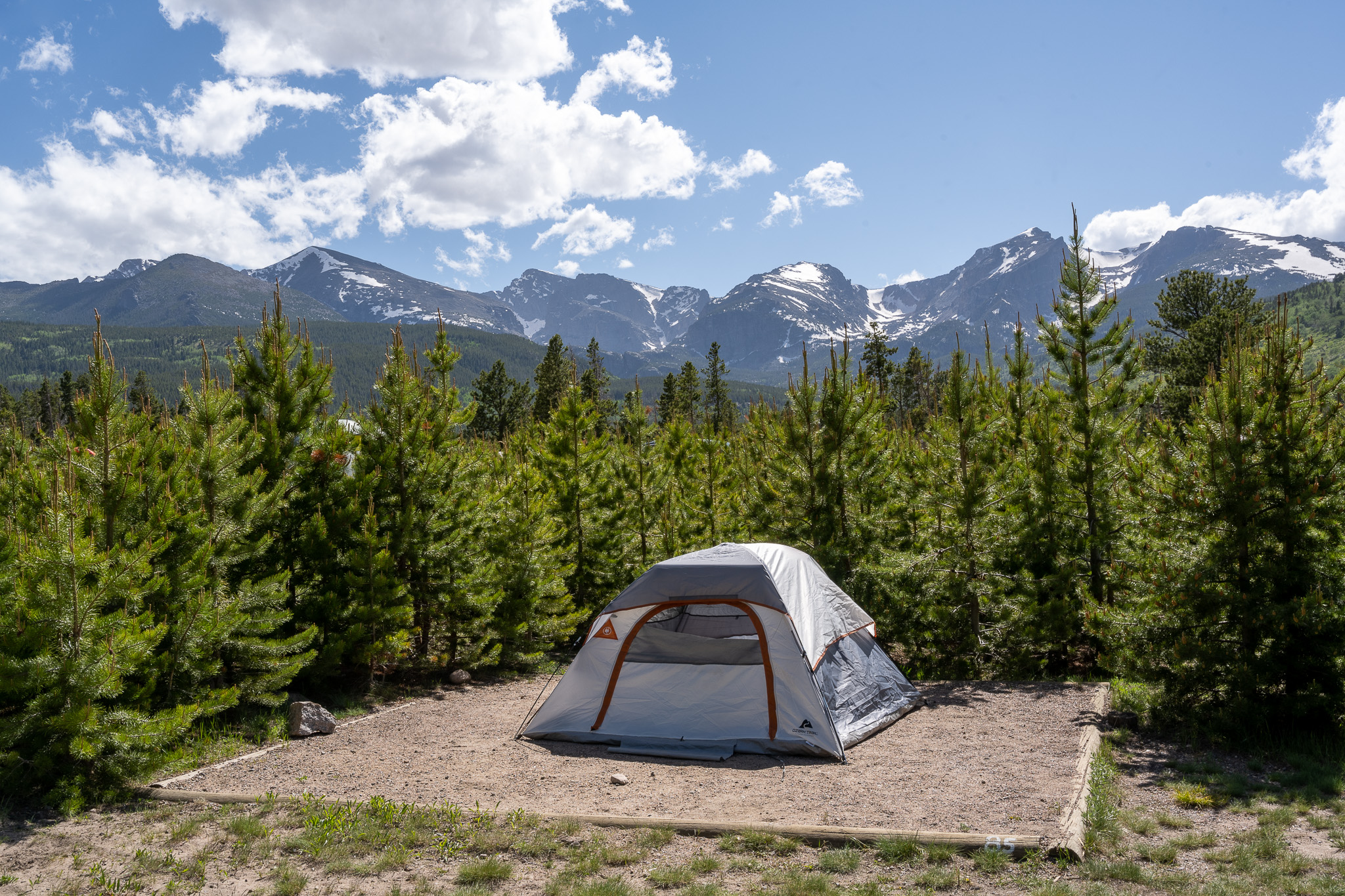
Navigating Permissions: A Study in Park Entry and Use
Successfully maneuvering through the permission process in national parks is essential for a rewarding experience. Understanding the different types of permits, reservations, and timing requirements can mitigate surprises and enhance your visit.
Hiking Trails and Camping Permits
Securing the necessary permissions can require some effort, but it’s an indispensable step in planning your trip. The National Park Service mandates certain permits for backcountry excursions and popular hiking destinations. These permits are designed to manage the number of visitors and maintain the quality of these pristine areas.
For most parks, permits can be obtained through online platforms like Recreation.gov or in person at park visitor centers. It’s important to remember that each park has its own system of reservations and permits. For instance, some highly frequented parks, such as Yosemite and Zion, require advance bookings for entry during peak seasons. Understanding the specific requirements of your chosen destination can prevent last-minute disappointments.
In summary, taking the time to properly research and secure the necessary permits before your visit is crucial. This preparation ensures that natural resources are protected, and your adventure remains both enjoyable and responsible.
Park Reservations and Timed Entry
Many national parks implement reservation systems to control the influx of visitors, especially during busy times. These systems aim to prevent overcrowding, reduce environmental strain, and improve visitor experiences. Some parks require specific entries to be booked in advance, a practice becoming more common in popular destinations like Yosemite and Zion.
For example, Yosemite requires visitors to make reservations for vehicle entry during peak times. These reservations help spread the visitor load throughout the day, minimizing congestion and environmental impact. Additionally, some places are moving towards timed entry systems, which allocate specific visiting windows to manage crowds effectively.
In conclusion, understanding these reservation and entry systems not only saves you the inconvenience of potential entry denials but also supports the parks’ efforts in maintaining their natural beauty for everyone.
Encountering Wildlife: Ensuring Safe Interactions
Experiencing wildlife in its natural habitat is one of the most thrilling aspects of visiting a national park. Yet, such encounters require a degree of caution and respect to ensure the safety of both visitors and the animals.
Safety Measures and Regulations
When visiting national parks, adherence to wildlife safety regulations is crucial. Visitors must maintain safe distances from animals: a minimum of 25 yards from most wildlife and 100 yards from predators like bears and wolves. These distances help prevent accidents and stress for the animals. Feeding wildlife is strictly prohibited as it disrupts their natural behaviors, leading them to associate humans with food and potentially causing aggressive behavior. Always secure food and waste in bear-proof containers, when required, to avoid attracting animals to campsites.
It’s worth remembering that even small, seemingly harmless animals can pose risks, either through disease or defensive behavior. By following park directives and using common sense, you’ll contribute significantly to the preservation of these majestic creatures and ensure your safety.
Responsible Practices While Enjoying Wildlife
Interactions with wildlife should always prioritize the animals’ well-being. Observing from a distance using binoculars or cameras with zoom lenses is encouraged, minimizing disturbances to their natural activities. Education on animal behaviors can also help visitors make informed decisions during encounters, especially regarding signs of distress or aggression.
It’s also essential to heed posted signs and rangers’ advice. These are often informed by patterns in animal behavior, seasonal changes, or past incidents, leading to rules aiming at minimizing risk. By respecting these guidelines, we protect not only ourselves but also maintain the ecological balance within the parks.
Conservation Through Conduct: Adhering to Preservation Guidelines
Exploring a national park is a privilege, and with it comes the responsibility to protect these natural wonders for future generations. Understanding and adhering to park policies are integral to this mission.
Leave No Trace and Resource Protection
The concept of Leave No Trace is a foundational principle in outdoor recreation. Visitors are encouraged to minimize their footprint, preserving flora and fauna and keeping the environment untarnished. Basic practices such as packing out all trash, including biodegradable items like fruit peels, are paramount.
Collection of natural resources, such as plants or rocks, is generally prohibited to maintain the park’s integrity. Campfires are restricted to designated areas to prevent wildfires and ecosystem damage. Such measures are not just regulations; they are vital practices to preserve these environments.
By respecting these conservation rules and practicing mindful recreation, every visitor plays a part in sustaining the beauty and biodiversity of national parks.
Seasonal Closures and Environmental Protection
Seasonal access plays a crucial role in the conservation strategy of national parks. Certain areas may be closed during specific times of the year to protect wildlife during sensitive periods like mating or nesting seasons. For instance, some trails might be inaccessible to safeguard animal habitats.
Moreover, unpredictable natural events like snowfall or natural calamities could lead to temporary closures. Staying updated with park alerts through official websites or visitor centers is imperative for planning effectively. Being flexible with your plans, respecting closures, and understanding the reasons behind them help maintain these environments’ delicate balances.
Promoting this adaptive attitude towards nature’s rhythms ensures not just personal safety but also contributes to the broader conservation efforts vital for the survival of these ecosystems.
Harmonizing Enjoyment and Preservation
Engaging with national parks provides a profound connection to nature’s splendor and diversity. However, this engagement entails a shared responsibility to respect and protect these spaces. Whether through securing necessary permits, adhering to wildlife safety guidelines, or following strict conservation codes, each visitor contributes to the sustainable enjoyment and preservation of these areas.
It is through understanding, respecting, and participating in these practices that we ensure national parks persist as sanctuaries of beauty and biodiversity for generations. Our individual actions not only safeguard personal experiences but also protect the heritage and ecological significance of these natural wonders.
Q&A
-
What are the best hiking trails in the United States known for their scenic views?
The United States offers a plethora of hiking trails with stunning views, including the Pacific Crest Trail, Appalachian Trail, and the John Muir Trail. Each of these trails provides unique landscapes ranging from mountains and forests to deserts and coastal views, making them popular among hiking enthusiasts. -
How can I obtain camping permits for national parks in the U.S.?
Camping permits can typically be obtained through the official website of the specific national park you plan to visit. It’s important to check the park’s requirements, as some parks have limited availability and may require reservations well in advance, especially during peak seasons. -
What wildlife safety precautions should hikers take in U.S. national parks?
When hiking in U.S. national parks, it’s crucial to maintain a safe distance from wildlife, store food securely, and stay on marked trails. Carrying bear spray in areas known for bear activity and being aware of your surroundings can help ensure a safe hiking experience. -
How do park reservations work, and why are they important?
Park reservations are often required to manage visitor numbers and protect natural resources. Reservations can be made online or by phone, and they help ensure that park facilities are not overcrowded, preserving the environment and enhancing the visitor experience. -
What are some conservation rules that hikers should be aware of in the U.S.?
Hikers should adhere to Leave No Trace principles, which include packing out all trash, staying on designated trails, and avoiding disturbing wildlife. These rules help conserve the natural beauty of hiking areas and ensure they remain pristine for future generations.