
As cities evolve to meet environmental challenges, innovative approaches are reshaping how people move within urban landscapes. A focus on eco-friendly energy and smarter allocation of resources is paving the way for future urban travel models, promising cleaner and more resilient city environments for residents worldwide.
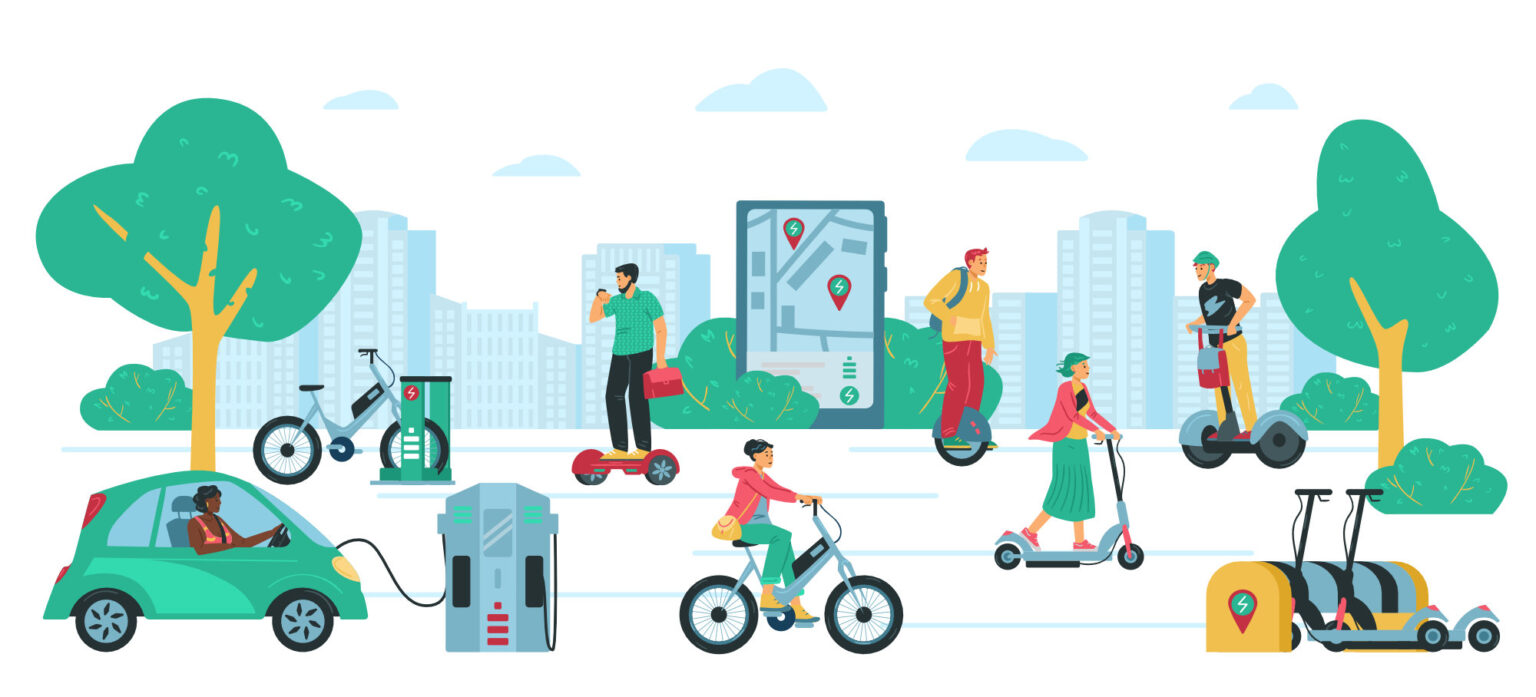
Revolutionizing Urban Travel: Shared and Public Transport Synergy
The move towards redesigning urban transit is about combining different modes of transport to enhance efficiency and sustainability. By integrating shared vehicle systems with public modes, cities can shape a transport future that is both user-friendly and minimally invasive on environmental resources.
The Role of Intelligent Transportation Systems
Intelligent Transportation Systems (ITS) play a pivotal role in streamlining travel across cities. By harnessing cutting-edge technology, these systems improve transport efficiency and safety, thus nurturing a more sustainable urban living environment.
AI-driven adaptive traffic control systems stand at the forefront of these innovations. By dynamically adjusting traffic signals in real-time, cities can alleviate congestion, thus reducing emissions and improving travel times. Furthermore, embedding AI in public transit solutions ensures a harmonized interplay between electrified shared and public transport networks, thus guaranteeing lesser dependency on fossil fuels.
Another form of ITS application is in enhancing informational flow and operational synergy between multiple transport networks such as buses, trains, and shared vehicle fleets. By maintaining a seamless service experience, these systems encourage the public to gravitate more toward using eco-friendly modes of transport.
Advancements in Electric Vehicle Infrastructure
The exponential rise in electric vehicle (EV) adoption is pushing urban planners towards revamping existing infrastructure to support environmentally sound transport modes. Technological evolution is at the heart of this transformation, ensuring its swift and effective integration into daily commutes.
Ultra-fast charging technologies are minimizing the wait time for battery replenishment, directly addressing the perennial concern of range anxiety among potential EV users. These advancements not only boost the practicability of EVs but also their allure compared to conventional vehicles.
In line with this, cities are investing in a robust charging network intertwined with renewable energy grids. Such integration facilitates sustainable energy consumption and offers potential for innovations like vehicle-to-grid services—where EVs can feed power back to the grid during peak demands—thus enhancing grid stability and promoting broader acceptance of EVs in urban mobility.
Sustainable Urban Mobility Planning
Creating transport networks that cater to diverse needs while promoting ecological wellbeing starts with meticulous planning. Sustainable Urban Mobility Plans (SUMPs) are comprehensive approaches aiming to develop integrated infrastructures that complement each other while adhering to environmental-policy goals.
By emphasizing public and shared transportation, SUMPs reduce emissions and congestion, cultivating urban areas that are both livable and efficient. Planning dimensions focus on enhancing connectivity whether through dedicated lanes for cyclists, pedestrian-friendly spaces, or efficient public transit service.
Planners incorporate feedback from communities to design inclusive and future-oriented infrastructures that accommodate urban growth while limiting environmental impacts. The implementation of low-emission zones is one such strategy that exemplifies these efforts, resulting in significant reductions in transport-related emissions.
Promoting Green Public Procurement
Cities are increasingly embracing green procurement practices as a cornerstone of sustainable transport planning. By setting criteria that focus on eco-friendliness, procurement policies help in shaping a supply chain that lends itself to sustainability.
Strategic investments in electric and biofuel-powered buses, alongside renewable-powered vehicle infrastructure, encapsulate such initiatives. Through these actions, cities strive to reduce urban carbon footprints while placing sustainability at the heart of neighborhood planning.
These procurement efforts pave the way for reductions in emissions, fostering an environment that prioritizes cleaner air and enhanced vehicle efficiency, all while promoting ethical stewardship of urban resources.
Collaborative Urban Mobility and Its Challenges
Urban planners are turning to collaborative transportation efforts to counteract the entrenched issues of congestion and pollution. With a growing awareness of urban space limitations, the focus is on redefining vehicle usage patterns while introducing viable alternatives that offer broad appeal.
Redesigning Urban Spaces for Shared Mobility
The traditional car-centric urban layouts are being supplanted by designs that prioritize pedestrian-friendly approaches and shared usage of space. Shared mobility encompasses a broad spectrum, from ride-hailing to car and bike-sharing schemes, all sustainable tools in the urban toolkit.
These services bridge the gap in transportation networks, providing first- and last-mile solutions where traditional options might fall short. This overlap not only extends the reach of public systems but also decreases the need for personal car ownership, contributing to lesser urban pollution.
As part of this shift, urban planners are working on community-centric transit nodes that integrate diverse modes into a single seamless experience. Such nodes ease transit between personal, shared, and public modes, thereby enhancing usage rates and minimizing traffic on urban roads.
Dynamic Public-Private Partnerships
The synergy between private sector innovation and public infrastructure projects holds immense potential in reshaping cities’ approaches to transport. By pooling resources and expertise, such partnerships overcome financial and logistical hurdles that typically obstruct sweeping urban transport reforms.
Investments in technologies like EVs and charging infrastructures are seeing larger benefits when orchestrated under public-private initiatives. These ventures can collectively drive significant strides in emission reduction and create shared standards that ensure interoperability and efficiency.
Moreover, coordinated investments direct funding towards critical areas like renewable energy-powered transit systems, underscoring the connection between ambitious urban projects and sustainability goals.
Policy Frameworks and Incentives
Setting the stage for long-term change involves aligning regulations and incentives that encourage environmentally friendly practices among commuters and service providers alike. Policy frameworks that promote shared mobility, clean vehicle adoption, and public transit usage reinforce commitments to sustainability.
Cities are introducing incentives like subsidies and tax credits for users choosing low-emission or electric vehicles, and implementing car-free zones encouraging shifts towards cycling and public transport. These incentives are part of wider national and local regulations, all showcasing concerted policies aimed at achieving future carbon neutrality.
By encouraging smart decision-making and strategic investments, these frameworks can drive collective progress in transitioning towards green urban mobility, bringing emission reduction targets into sharper focus.
Harnessing Sustainable Energy for Urban Transportation
The intertwining of sustainable energy and urban transport systems represents a pivotal development towards a greener city model. Renewable energies offer an array of benefits, from reduced greenhouse emissions to economic savings, buttressing the frameworks of resource-efficient living.
Renewable Energy Integration
With urban transport accounting for a significant share of energy consumption, initiating change through renewable sources is a cardinal step in sustainable planning. Ensuring a robust integration between renewable energy systems and transport infrastructure addresses both environmental responsibilities and energy demands.
Cities are increasingly turning to energy sources like solar and wind to power public transit fleets. This initiative sees a dual benefit—mitigating emissions and reducing reliance on non-renewable energy peers. By deploying these clean energy systems, urban centers reduce their carbon footprints, create jobs in new energy sectors, and promote technological advancements.
According to data from the UK Department for Transport, a significant rise in green energy-powered vehicles, shared EVs, and public transport electrification is projected. These numbers reflect the tangible possibilities of a shift towards renewable-backed transport paradigms.
Urban Energy Management
Effective energy management strategies encompass both the generation and consumption of resources. Smart grids and grid management systems are indispensable for optimizing electric vehicle charging and renewable energy storage, ensuring that sustainable transport needs align with infrastructure capabilities.
Smart mobility hubs equipped with efficient charging solutions support consistent energy supply to public and shared vehicle systems. Furthermore, these provide the flexibility to grid operators, balancing demand and supply, and optimizing energy storage for peak moments.
This decentralized energy ecosystem promotes a more reliable and equitable distribution of resources, bolstering resilience against potentially destabilizing energy demands, a crucial element for a seamless urban energy transition.
Unleashing Community Potential
There is increasing recognition of the role community engagement plays in the successful adoption of sustainable energy systems. Harnessing public interest and participation transforms otherwise top-down approaches into collaborative initiatives that can adapt to local needs.
Awareness campaigns and educational programs underpin these efforts, emphasizing the importance of low-impact commuting habits and renewable energy adoption. By fostering community buy-in, cities create resilient ecosystems where individual actions collectively contribute to meaningful environmental change.
These community-focused programs are complemented by technological and regulatory frameworks that encourage collaborative participation. This multidimensional approach propels urban centers toward a sustainable mobility future that resonates at both individual and collective levels.
As urban centers continue to evolve, the interplay of mobility and sustainable energy becomes a linchpin in catalyzing environmental responsibility. Through strategic investments and smart partnerships, cities can navigate the complexities of modern transport and demonstrate innovative models for others to emulate.
Q&A
-
What are the benefits of integrating car sharing with public transport?
Integrating car sharing with public transport can greatly enhance urban mobility by providing a seamless travel experience. It allows users to combine the convenience of car travel with the efficiency of public transport, reducing the need for private car ownership. This integration can lead to decreased traffic congestion and lower emissions, as more people opt for shared transportation options over individual car use.
-
How do ride-hailing services contribute to emission reduction strategies?
Ride-hailing services can contribute to emission reduction strategies by optimizing routes and increasing vehicle occupancy, which decreases the number of vehicles on the road. Additionally, many ride-hailing companies are incorporating electric vehicles into their fleets, directly reducing greenhouse gas emissions and supporting broader green energy use initiatives.
-
What role does green energy use play in urban mobility planning?
Green energy use is crucial in urban mobility planning as it supports the transition to more sustainable transportation systems. By powering public transport and shared mobility services with renewable energy sources like solar and wind, cities can significantly cut down on carbon emissions, improve air quality, and promote a healthier urban environment.
-
How can urban mobility planning address the challenges of emission reduction?
Urban mobility planning can address emission reduction challenges by implementing strategies such as expanding public transport networks, promoting cycling and walking, and encouraging the use of electric vehicles. Planners can also focus on creating compact, mixed-use urban areas that reduce the need for long commutes and support sustainable travel behaviors.
-
In what ways can car sharing services enhance the effectiveness of emission reduction strategies?
Car sharing services enhance emission reduction strategies by reducing the number of vehicles needed per capita, thus lowering the overall carbon footprint. They encourage the use of more efficient, often electric, vehicles and can be integrated with other sustainable transport modes to maximize environmental benefits. By providing flexible and convenient transport options, they also help reduce dependency on private car ownership, further contributing to emission reduction.