
In a world where creativity meets engineering, the design of modern vehicles is a captivating fusion of sleek exteriors, user-centered interiors, and innovative craftsmanship. As we explore this transformation, futuristic concepts and aesthetic novelties are redefining the way vehicles interact with people and the environment.
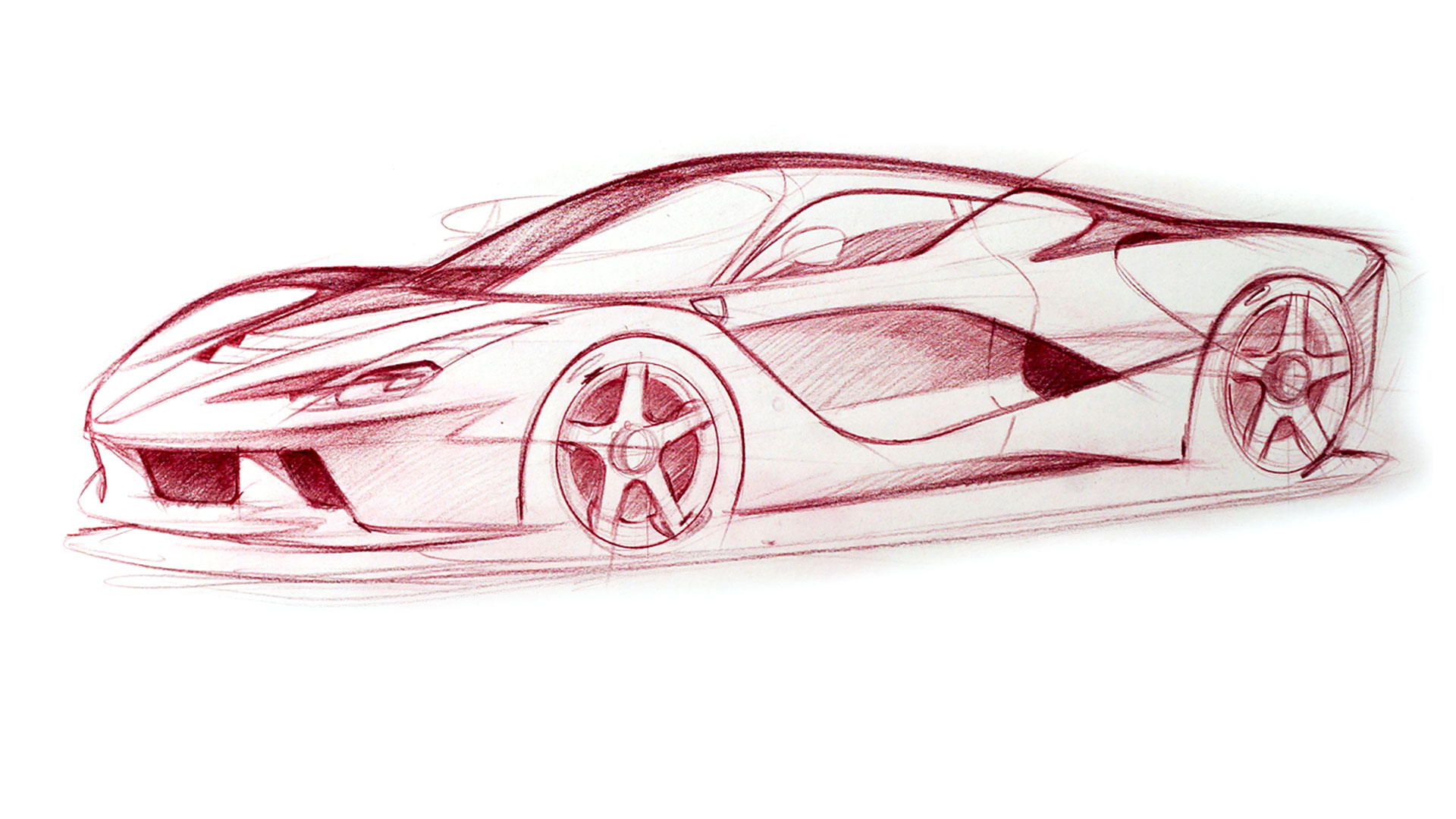
From Sketch to Showroom: The Journey of Innovative Concept Cars
Concept vehicles often serve as a laboratory for innovation, where designers and engineers experiment with cutting-edge technologies and bold aesthetics. This ultimate platform for creativity enables the exploration of new industry directions.
1. The Spark of Innovation: Concept Car Design
Concept vehicles symbolize the cutting edge of automotive innovation, showcasing groundbreaking ideas that inspire future production models. These models are more than just showpieces; they are a glimpse into the possibilities of design and technology. Taking a vehicle from a mere sketch to a full-scale concept involves numerous stages, each requiring meticulous attention to detail and a willingness to push boundaries.
Auto shows often feature these concept models, radically transformed with innovative, high-performance components. These designs illustrate future possibilities, with advancements in design that include aerodynamics, lightweight components, and customizable interiors that may become standard features in future models.
2. Bridging the Gap: From Prototype to Production
Transitioning from concept to production involves navigating complex engineering challenges, market feasibility, and regulatory requirements. While concept models allow for unrestricted creativity, turning these designs into functional, road-worthy vehicles demands a realistic approach that balances creativity with practicality.
For instance, initial designs for futuristic vehicles such as electric minivans have undergone significant modifications to adapt to production realities while still retaining elements like advanced powertrain systems and smart integration features. This process involves rigorous testing and refinement, ensuring that innovative concepts deliver on both functionality and consumer appeal.
3. User-Centric Design: Prioritizing Functionality
The final driving force behind any vehicle design is the user experience. Modern design shifts focus towards creating environments that prioritize driver and passenger comfort, with features tailored for ergonomic efficiency. By studying consumer needs and integrating user feedback, designers optimize layout, seating, and technology integration to enhance comfort.
Electric vehicles, for example, increasingly feature adaptable interiors that cater to diverse consumer preferences. Advanced smart technology integration, intuitive control interfaces, and spacious interiors reflect a commitment to improving both driving and passenger experiences, making innovation accessible and functional.
Light and Color: The Dynamic Duo Reshaping Automotive Visual Identity
The strategic use of light and color significantly influences a vehicle’s aesthetic impression and overall brand identity. As technologies advance, these components have become essential in creating dynamic and expressive automotive designs.
1. The Rise of Advanced Lighting Technologies
Lighting technologies such as LEDs and OLEDs redefine automotive design by offering flexibility and efficiency. These advancements provide both aesthetic appeal and functional benefits, enhancing safety and visibility.
New lighting solutions, like those used in contemporary SUVs, showcase crisp lighting that enhances safety and driving experience. Customizable kits offer users the ability to personalize their vehicle’s appearance, with options ranging from adaptive headlights to dynamic turn signals. This degree of customization aligns with emerging trends in personalized vehicle aesthetics.
2. Light as a Design Element
Light has evolved from a functional necessity to an artistic expression within car design. Designers utilize lighting to highlight key vehicle features, create dynamic effects, and express brand characteristics.
Automotive brands focus on making light a crucial vehicle identity element through innovations like ambient lighting and color-changing LEDs. This trend allows vehicles to evoke emotional responses while maintaining a distinctive presence on the road.
3. Color’s Impact on Vehicle Aesthetics
Color choices play a crucial role in defining a vehicle’s personality and appeal. A vehicle’s color can influence perceptions of size, shape, and style.
Brands leverage color to develop a unique market presence, offering extensive palettes that allow consumer self-expression. Ambient lighting facilitates an immersive cabin experience, transforming the driving environment. Vehicles that enable color personalization strengthen the emotional connection between driver and car, aligning with the broader trend of personalized consumer products.
Textured Futures: How Materials Are Reinventing the Driving Experience
The tactile experience of vehicle interiors and exteriors is increasingly important, as textures enhance both functionality and aesthetic appeal. Material innovation is reshaping how we perceive and interact with our vehicles.
1. The Rise of Textured Surfaces
Textured surfaces provide both functional benefits and sensory pleasure. From grip-enhancing designs on steering wheels to shock-absorbing mats in cargo areas, textures improve user interaction and comfort.
For example, off-road vehicles often feature enhanced grip on entry points, demonstrating how design details contribute directly to user safety. Textured surfaces complement high-end designs with visual intrigue, using beautiful craftsmanship that captures attention and elevates luxury.
2. Eco-Friendly Materials and Sustainable Design
The rise of eco-friendly materials addresses growing consumer demand for sustainability. Recycled and innovative materials minimize environmental impact without sacrificing style or performance.
Manufacturers increasingly adopt materials like TPE and GRS-certified fibers, known for their recyclability, as they enhance the vehicle’s aesthetic while remaining considerate of environmental responsibility. These materials, when used throughout vehicle interiors, provide essential durability and lifespan extension while aligning with eco-conscious values.
Inside the Machine: Crafting User-Centric Interiors for Comfort and Functionality
Designing car interiors with a focus on user comfort and practicality enhances driving experiences. Fusing aesthetics with functionality creates a pleasant environment for all passengers.
1. Prioritizing Comfort and Space
Space optimization in interiors ensures both driver and passengers enjoy maximum comfort. Clever layout considerations ensure user convenience without sacrificing aesthetic integrity.
Ergonomically designed seating arrangements and well-planned storage options go beyond aesthetic concerns by integrating user needs into the core design philosophy. Vehicles such as family SUVs incorporate versatile interiors that enhance daily convenience while maintaining a visually appealing cabin atmosphere.
2. Seamless Technology Integration
Technological advancements transform interiors into command centers, offering intuitive experiences that elevate the pleasure of driving. The effortless integration of these systems underscores their role in enhancing user experience.
Seamless displays, wireless connectivity, and digital-tactile interfaces reaffirm the importance of intuitive design, maintaining a balance between digital innovations and the tactile feedback familiar to users.
In conclusion, car design is an intricate balance of numerous elements, from aerodynamic efficiency to the crafting of personalized interiors. Designers constantly seek new ways to harmonize these components, ensuring that future vehicles not only meet the aesthetic and functional desires of consumers but also lead the automotive world towards greater innovation and sustainability.
Q&A
-
What role does aerodynamics play in the design of concept cars?
Aerodynamics is crucial in concept car design as it influences both performance and efficiency. By optimizing airflow around the vehicle, designers can reduce drag, which in turn improves fuel efficiency and speed. Additionally, aerodynamics can enhance the stability and handling of the car, making it safer and more comfortable to drive. Innovative aerodynamic solutions in concept cars often serve as a testing ground for future production models.
-
How do interior ergonomics impact the user experience in vehicles?
Interior ergonomics are vital for ensuring comfort, accessibility, and ease of use within a vehicle. By carefully designing the placement of controls, seating positions, and interfaces, manufacturers can create a more intuitive and enjoyable driving experience. Ergonomically designed interiors reduce driver fatigue and increase safety by minimizing the need for drivers to divert their attention from the road.
-
What materials and textures are commonly used in the design of modern concept cars?
Concept cars often utilize advanced materials and textures to showcase innovation and luxury. Lightweight materials like carbon fiber and aluminum are popular for their strength and efficiency, while sustainable materials such as recycled plastics and organic textiles are increasingly used to emphasize environmental responsibility. Textures play a role in enhancing the tactile experience, with soft-touch surfaces and premium finishes providing a sense of sophistication.
-
Why is lighting design important in the development of concept cars?
Lighting design in concept cars is not only about visibility but also plays a crucial role in the vehicle’s aesthetic and brand identity. Innovative lighting solutions, such as LED and OLED technologies, allow for dynamic and customizable lighting patterns that can enhance the visual appeal of the car. Additionally, ambient lighting inside the vehicle can improve passenger comfort and mood, creating a more engaging and personalized driving environment.
-
How do color trends influence the design of concept cars?
Color trends are pivotal in concept car design as they reflect cultural shifts and consumer preferences. Designers often experiment with bold and unconventional colors to make a statement and attract attention at auto shows. These color choices can set new trends in the automotive industry and influence future production models. Moreover, the selection of colors can communicate a brand’s identity and vision, making it an integral part of the overall design strategy.