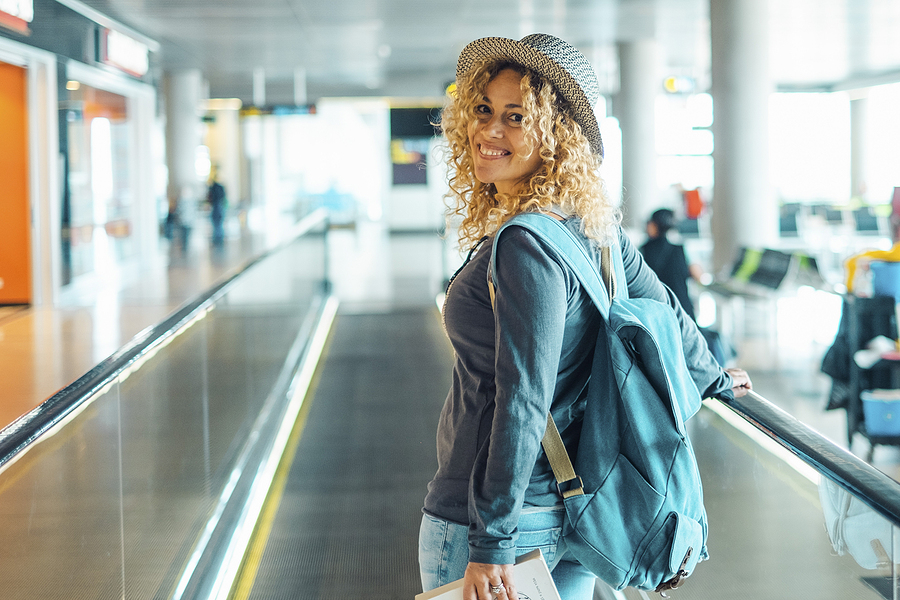
Setting off alone to discover the world is a profoundly liberating experience, offering countless opportunities to embrace new cultures while nurturing personal growth. Navigating unfamiliar landscapes solo requires mindful preparation, a balanced approach to costs, and the courage to explore connections in diverse, vibrant locations.
Embracing the World Solo: Confidence and Growth
Building Confidence Through Experience
Venturing into unfamiliar places alone can be intimidating, but it offers unparalleled opportunities for personal development. Confidence grows with each new experience, turning apprehension into empowerment.
-
Facing Fears and Overcoming Challenges: Acknowledging your fears is the first step. Whether it’s the fear of getting lost, dealing with language barriers, or feeling lonely, confronting these fears builds resilience. Prepare by researching your destination, learning basic phrases, and planning routes and activities.
-
Cultivating a Positive Mindset: Reframing your perspective transforms anxiety into excitement. Embrace the idea of meeting new people and discovering self-reliance, rather than focusing on potential negatives. This mindset shift can significantly enhance your travel experience.
-
Starting Small: If long adventures seem daunting, begin with day trips or weekend getaways. Gradually extend your travel time and distance as your confidence grows. This gradual approach allows you to hone your travel skills and become more comfortable with solo exploration.
-
Self-Reliance and Problem-Solving: Solo travel demands independent decision-making, enhancing your ability to navigate new situations. You’ll develop skills in budgeting, itinerary planning, and adapting to unforeseen circumstances—valuable skills that contribute to personal growth.
Psychological Benefits of Solo Travel
Traveling alone provides rare opportunities for introspection and emotional development, impacting your psychological well-being positively.
-
Enhanced Self-Awareness: The solitude experienced during solo travel encourages introspection. Without the distractions of everyday life, you gain clarity about your values and aspirations. Reflecting on experiences helps you understand yourself better and align future actions with your authentic self.
-
Emotional Resilience: Facing and overcoming challenges, no matter how small, builds mental strength and resilience. Solo travel tests your limits and teaches you to adapt and thrive in new environments, making you more adaptable to life’s uncertainties.
-
Cultural Awareness and Appreciation: Immersing yourself in diverse cultures enhances empathy and reduces ethnocentrism. Engaging with locals and experiencing different traditions broadens your perspective, fostering a greater appreciation for diversity.
The journey of self-discovery and confidence-building through solo travel is both rewarding and life-changing, preparing you for future endeavors with newfound courage and insight.
Smart Budgeting Strategies for Solo Adventures
Pre-Trip Financial Planning
Effective budgeting begins before departure. Calculating expected expenses and leaving room for spontaneity ensures a smooth adventure.
-
Creating a Detailed Budget: Research your destination to estimate costs for accommodation, transportation, meals, and activities. Factor in local prices to establish a realistic budget that includes a buffer for unforeseen expenses.
-
Setting Spending Limits: Establish daily spending caps based on your total budget. This approach helps you monitor your expenses and avoid overspending while still enjoying your trip.
-
Using Budgeting Tools: Utilize apps to track expenditures throughout your journey. These tools provide real-time management of your spending habits, ensuring you stay within your financial limits.
Cost-Saving Accommodation and Transport
Accommodation and transportation can consume a large portion of your budget. Savvy planning allows for affordable and enjoyable travel.
-
Choosing Economical Lodging: Consider staying in hostels or guesthouses. They offer budget-friendly options with opportunities to meet other travelers. Sharing accommodations, such as dormitories, reduces costs and enhances social connections.
-
Optimizing Transport Costs: Opt for public transport like buses or trains, which are cheaper and environmentally friendly. Walking or renting a bike also saves money and provides a more intimate exploration of new locales.
-
Traveling During Off-Peak Seasons: Off-season travel often means lower costs for flights and accommodation. Fewer tourists can also lead to a more authentic and relaxed experience.
Managing Food and Daily Expenditures
Meals and daily expenses can quickly add up. Incorporating local flavors and prudent financial habits ensures a balanced budget.
-
Eating Locally and Sensibly: Experiment with local cuisine at markets and street vendors. This not only reduces meal costs but also enriches your cultural experience.
-
Preparing Meals: Many hostels offer kitchen facilities. Cooking your meals occasionally can significantly cut expenses, allowing you to allocate funds for other activities.
-
Discounts and Free Activities: Seek out free walking tours, museum days, and cultural festivals. These enrich your travel experience without impacting your wallet.
Smart budgeting, combined with resourcefulness, allows solo travelers to make the most of their adventures while maintaining financial stability.
Staying Safe While Exploring Solo
Preparing Ahead for Safety
Before leaving, invest time in gathering crucial safety information and taking preventative measures.
-
Research and Precaution: Learn about your destination’s culture, norms, and safety concerns. Understanding potential risks, common scams, and safe areas is vital for informed decision-making.
-
Choosing Safe Accommodation: Select well-reviewed lodgings in secure neighborhoods. Online reviews provide insight into guests’ experiences regarding safety features and cleanliness of accommodation.
-
Keep Valuables Secure: Split your important items like cash, passport, and travel documents. Store them in secure compartments or travel belts to minimize risk in case of theft.
Staying Connected and Aware
Maintaining communication and awareness enhances your safety and comfort.
-
Technology Utilization: Use GPS apps to navigate unfamiliar areas and share your location with trusted contacts. Having a local SIM card ensures better connectivity in emergencies.
-
Stay Informed: Regularly check local news or alerts for any disturbances or natural events in your destination. This helps you modify plans swiftly if necessary for your safety.
-
Practice Situational Awareness: Focus on your surroundings to avoid risky situations. Trust your instincts—if something feels off or unsafe, remove yourself from the situation immediately.
Tools and Measures for Personal Safety
Equipping yourself with personal safety tools and employing practical measures increases your security.
-
Security Devices: Carry a personal alarm or use wearable panic buttons. Such devices can deter potential threats and alert nearby individuals if you’re in distress.
-
Travel Insurance: Ensure your policy covers medical emergencies, theft, and other incidents. Understanding your coverage provides peace of mind and financial protection.
By prioritizing safety and preparation, solo travelers can navigate the world confidently, fully embracing the joys of independent exploration.
Cultural Connectivity and Social Interaction
Safe Socialization in Diverse Environments
Solo travelers can thrive socially by understanding cultural contexts and applying discretion in interactions.
-
Language Learning: Familiarize yourself with basic phrases in the local language. This effort not only facilitates communication but also demonstrates respect toward local customs.
-
Cultural Respect and Awareness: Dress appropriately according to cultural norms and respect local customs. Observing these practices minimizes the risk of misunderstandings or offending local sensibilities.
-
Choosing the Right Venues: Engage socially in reputed establishments where safety is prioritized. Socializing in these environments reduces risks and enhances enjoyment.
By thoughtfully engaging with locals, solo travelers can deepen their understanding of different cultures and forge meaningful relationships.
In essence, solo travel is a gateway to personal enrichment and cultural insight. By balancing safety, budgeting effectively, and embracing local interactions, travelers can embark on rewarding adventures that foster immense personal growth and lasting memories.
Q&A
-
What are some essential safety tips for solo travelers?
Solo travelers should always inform someone they trust about their itinerary and check in regularly. It’s important to research your destination’s safety, including local customs and areas to avoid. Keeping copies of important documents and using a money belt can help protect against theft. Trusting your instincts and avoiding isolated areas at night are also key safety measures.
-
Which countries are considered the best for solo travel, and why?
Countries like Japan, New Zealand, and Portugal are often rated highly for solo travel due to their low crime rates, efficient public transportation, and friendly locals. Japan offers a rich cultural experience and is known for its hospitality, while New Zealand’s breathtaking landscapes and adventure activities attract solo adventurers. Portugal provides a warm climate and vibrant culture, making it an excellent destination for solo exploration.
-
How can solo travelers meet locals safely while traveling?
Joining group tours or participating in local classes and workshops can provide safe environments to meet locals. Staying in hostels or using social apps designed for travelers can also facilitate connections. It’s important to meet in public places and inform someone you trust about your plans to ensure safety.