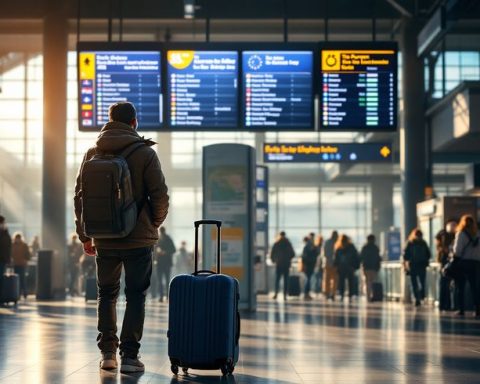
The landscape of global exploration is undergoing a profound transformation as technological advancements redefine how journeys unfold. Cutting-edge innovations like automated helpers and immersive virtual experiences are at the forefront, reshaping the very essence of travel into a seamless and personalized odyssey.
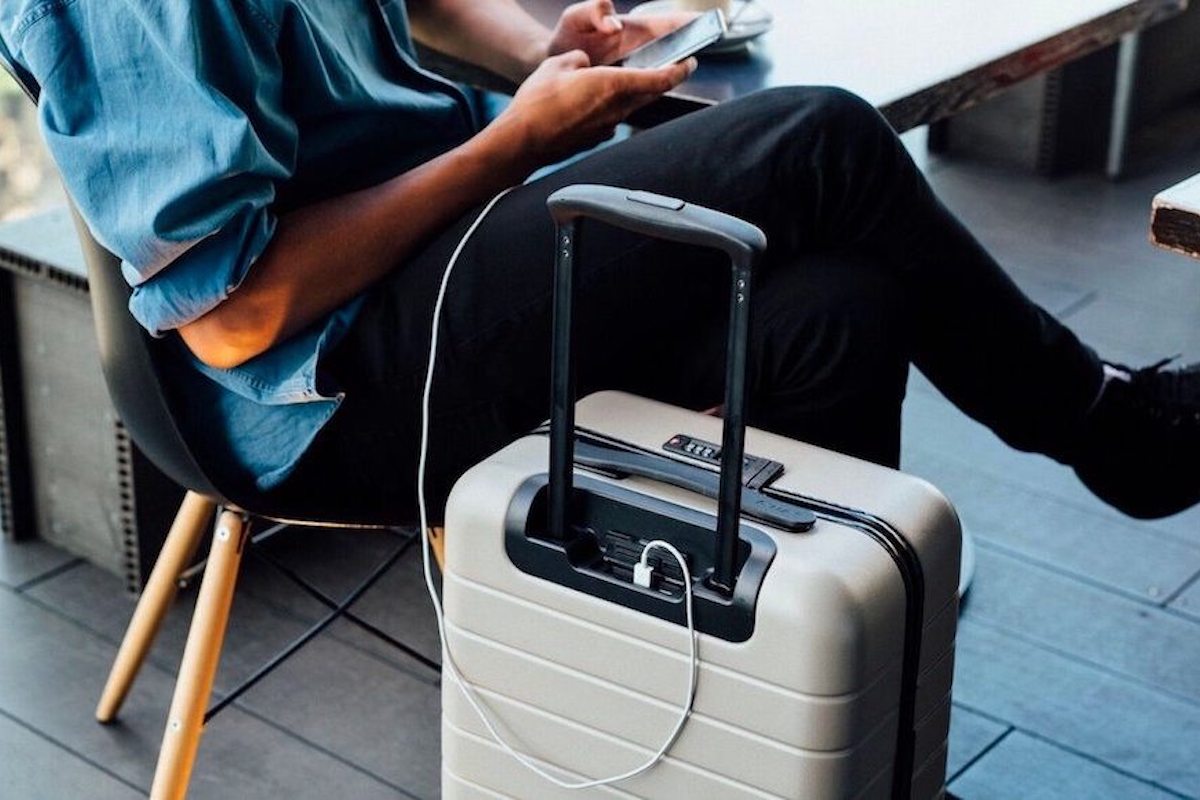
Unveiling AI’s Impact on Modern Travel: Embracing the Tech Era
Personalized Exploration with AI: Tailored Adventures
Artificial intelligence is revolutionizing the way we discover and explore the world. Personalized travel itineraries, generated through advanced AI algorithms, consider preferences, weather conditions, and budget constraints to provide a tailored travel experience that is unique to each individual.
With AI-powered tools, travelers can receive recommendations that align with their interests—whether seeking serene landscapes, historical discoveries, or adventurous escapes. Beyond convenience, this technology enhances the journey by preemptively offering solutions to potential challenges such as language barriers through real-time translation features. This allows explorers to immerse themselves fully in the culture and ambiance of their destinations.
Enhancing Hospitality with Robotics and AI
Incorporating smart robotics in hospitality venues like hotels and airports enhances operational efficiency and ensures a luxurious experience for guests. AI-powered robots can manage crowd flows, deliver personalized guest services, and even assist with navigation in complex environments. By integrating technology, the hospitality industry can offer seamless service delivery that meets the high expectations of modern travelers.
These advancements are not limited to leisure travel; business travelers also benefit from AI. The implementation of seamless check-ins and biometric verification ensures a swift and secure identification process. By reducing the time spent at various checkpoints, AI technologies facilitate a swift passage through airports, allowing travelers to focus on their overall experience rather than logistical hassles.
Biometrics on the Move: Elevating Security and Efficiency
As biometric technologies become prevalent in travel, they present opportunities for more secure and efficient global travel dynamics. By enabling seamless identity verification, these technologies redefine the safety and convenience of transit.
The Role of Pre-Registration Apps
Biometric pre-registration apps are transforming entry procedures around the world. Imagine being able to breeze through airport formalities because your information is securely pre-registered. With applications designed for pre-registering biometric data prior to travel, passengers enjoy reduced wait times and a smoother border control process upon arrival.
The advantage is twofold: enhanced security and an accelerated passage through security checks. This application is further supported by the rise of decentralized biometric enrollment, which allows travelers to complete verification at various centers, reducing congestion at airports and enhancing the travel experience.
Navigating Cybersecurity and Regulatory Hurdles
Despite the benefits, biometric technology presents challenges, primarily concerning cybersecurity. Recent data breaches highlight the need for robust protection mechanisms to safeguard sensitive data. Travelers demand assurance that their personal information is securely managed to prevent unauthorized access or misuse.
At the same time, evolving regulations regarding biometric data protection necessitate stringent compliance measures. Travel providers must continuously adapt to new privacy laws, ensuring both protection of customer data and adherence to legal standards. Understanding these requirements is crucial in maintaining traveler trust and leveraging biometrics to optimize travel experiences.
Virtual and Augmented Reality: Crafting Immersive Journeys
Immersive Virtual Tours: Exploring Destinations
Through VR, prospective travelers can venture into destinations virtually, offering a visual preview of locales before they even pack their bags. This immersive exploration helps individuals make informed travel decisions, reducing uncertainties and boosting excitement about upcoming trips.
VR’s applications extend beyond planning. For instance, augmented reality enhances on-the-ground experiences by providing layered information over real-world environments. From interactive maps to historical overlays, AR equips travelers with real-time data that enriches their understanding of the places they visit.
Transforming the Shopping and Hospitality Experience
The integration of AR within travel retail sectors, particularly at airports and duty-free zones, presents numerous benefits. Travelers can engage with virtual try-ons and interact with products digitally, verifying authenticity and gaining insights into sustainable packaging practices through smart labels.
Moreover, in hospitality, VR and AR transform the guest experience, enabling virtual tours of hotel accommodations and interactive guides. These technologies ensure guests receive comprehensive, engaging information about their surroundings, significantly boosting satisfaction levels.
The Future of Smart Luggage and Logistics: Redefining Travel Readiness
Innovative Smart Luggage Trends
Smart luggage is embracing AI to facilitate tasks like autonomous movement via embedded tracking systems. This innovation reduces the physical burden and enhances user experience in crowded travel hubs. Coupled with smart features like biometric locks and anti-theft alarms, smart luggage offers robust security for travelers’ belongings.
Furthermore, the adoption of environmentally conscious materials in smart luggage design aligns with shifting consumer preferences for sustainability. This trend verifies that technological advancement can coincide with eco-friendly practices, appealing to the growing segment of eco-aware globetrotters.
Smart Travel Apps and Tools: Redefining the Traveler Experience
The Power of Travel Apps in Journey Planning
Travel apps have grown into powerful tools that assist in planning, navigating, and enhancing the travel experience. AI-driven features within these apps introduce convenience through smart itineraries, real-time translations, and smart booking options.
These advancements streamline the planning process and provide travelers with tools to effortlessly engage with their environment, thus elevating their overall experience.
Innovations in Business Travel Management
Business travel has also embraced these innovations; smart apps streamline travel management processes through AI-driven booking tools and customizable analytics dashboards. By automating monotonous tasks, these tools enhance efficiency and provide crucial data insights, benefiting travel management and cost control efforts.
In closing, as technological innovations continue to evolve, they pave the way for smarter, more efficient, and highly personalized travel experiences. Embracing these advancements, the future of travel promises to be not just a journey, but an integrated exploration of culture, convenience, and discovery.
Q&A
-
What are AI Travel Assistants and how do they enhance travel experiences?
AI Travel Assistants are software applications that use artificial intelligence to provide personalized travel recommendations, itinerary management, and real-time updates. They enhance travel experiences by offering customized suggestions based on user preferences, automating routine tasks such as booking flights and hotels, and providing instant support and guidance throughout the journey.
-
How does Biometric Boarding improve the efficiency of airport procedures?
Biometric Boarding streamlines airport procedures by using facial recognition or fingerprint scanning to verify a traveler’s identity. This technology reduces the need for manual checks, speeds up the boarding process, and enhances security by ensuring that only verified passengers can access flights. It also minimizes the need for physical documents, making the process more seamless and efficient.
-
In what ways are Virtual Reality Tours transforming the travel industry?
Virtual Reality (VR) Tours are transforming the travel industry by allowing potential travelers to explore destinations remotely before making travel decisions. This immersive technology provides a realistic preview of locations, helping users decide on accommodations, attractions, and activities. VR Tours also offer opportunities for virtual travel experiences, making distant or inaccessible destinations available to a wider audience.
-
What are the latest trends in Online Booking and how do they affect travelers?
Recent trends in Online Booking include the integration of AI for personalized recommendations, the use of mobile apps for seamless booking experiences, and the incorporation of flexible payment options like buy-now-pay-later schemes. These trends provide travelers with more convenience, tailored travel options, and financial flexibility, enhancing the overall booking experience.
-
How is Smart Luggage changing the way people travel?
Smart Luggage is revolutionizing travel by incorporating technology such as GPS tracking, built-in charging ports, and weight sensors. These features provide travelers with enhanced security, convenience, and peace of mind. For instance, GPS tracking allows users to locate their luggage in real-time, while charging ports ensure that their devices remain powered throughout the journey.