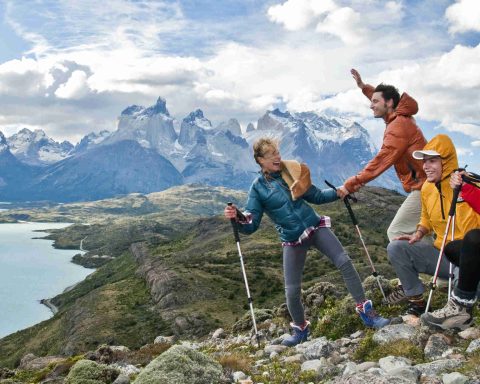
Daring escapades in breathtaking locales are captivating adventurers seeking intense excitement and challenge. From rugged terrains to turbulent waters, these journeys promise heart-pounding experiences while emphasizing the growing importance of mindful exploration and rigorous preparation. Embark on unforgettable quests where thrill meets conscientiousness in the world’s most exhilarating places.

Heartbeats and Heights: Exploring the Psychology of Adventure Sports
Adventure sports offer more than just physical challenges; they exert a significant psychological influence as well. As adventurers push their limits, they experience a unique combination of fear, excitement, and triumph, enriching their mental resilience and overall well-being.
1. The Adrenaline Effect of High-Intensity Sports
Participating in adventure sports often provokes an adrenaline rush, a physiological response characterized by an increased heart rate and heightened alertness. This biological reaction not only fuels the body with energy but also enhances focus and sharpens the senses. The conjunction of fear and excitement in activities like skydiving, mountain climbing, or whitewater rafting catalyzes this powerful hormone, leading to an exhilarating experience. Adrenaline also plays a role in boosting mood and reducing anxiety over time as individuals learn to manage stress in high-pressure situations.
2. Mindfulness and Being Present in the Moment
Extreme sports require immense focus and presence. Whether navigating a whitewater river or scaling a challenging mountain face, adventurers must concentrate fully, leaving little room for distractions. This intense focus fosters a state of mindfulness, where individuals become deeply attuned to their immediate environment and actions. The immersion in the moment helps relieve stress, allowing individuals to disengage from everyday pressures, while the clarity gained from this mindfulness can extend into daily life, providing long-term psychological benefits.
3. Building Self-Confidence and Resilience
Conquering fears and physical challenges in adventure sports leads to enhanced self-esteem and resilience. Every mountain peak reached or rapid navigated builds confidence, teaching participants about their own strength and perseverance. These achievements extend beyond mere physical feats, impacting how individuals face life’s broader challenges. The skills and mental resilience developed through these sports can lead to a more positive outlook and greater willingness to tackle new obstacles.
From Peaks to Rapids: Exploring Exhilarating Destinations
With destinations ranging from towering peaks to roaring rapids, the world is a playground for thrill-seekers. Each locale offers distinct challenges and rewards, drawing adventurers looking for unmatched excitement and achievement.
1. Mountain Climbing: The Ultimate Test of Endurance
Scaling majestic peaks offers unparalleled vistas and a profound sense of accomplishment. Regions like Nepal’s Mount Everest pose significant challenges, not only in skill but also in endurance and safety considerations. Guided tours and robust safety gear, as noted in the table below, are critical for these high-difficulty adventures. The use of proper equipment such as harnesses, ropes, and GPS diversifies the climb’s safety net, ensuring climbers can focus on the ascent. Mountain ranges, from the Andes to the Himalayas, present climbers with awe-inspiring altitude and diverse terrain to conquer.
2. Whitewater Rafting: Navigating Nature’s Fury
Rivers like the Zambezi offer adrenaline-pumping experiences through swift currents and turbulent waters. The thrill of maneuvering through a river’s unpredictable path is unmatched, though it requires teamwork and strategy to safely navigate. Essential safety measures include life jackets and safety boats, ensuring all participants remain secure amid the powerful currents. Several locations worldwide offer varying levels of rapids, making it accessible to both novice and experienced rafters seeking adventure.
3. Skydiving: The Ultimate Leap into the Void
Skydiving presents a heart-stopping thrill as participants leap from aircraft, experiencing freefall before parachuting down. Destinations like Interlaken in Switzerland are famed for their breathtaking views and ideal conditions for this high-intensity activity. Safety protocols, including tandem jumps and reliable parachutes, are non-negotiable to ensure a secure and thrilling descent through the sky’s vast expanse.
Adrenaline and Safety: Navigating the World of Extreme Sports
The draw of extreme sports goes beyond the thrill; it also involves carefully managing and understanding risks. Emphasizing safety doesn’t just preserve well-being; it’s central to sustaining these vibrant experiences.
1. Assessing Risks and Prioritizing Safety
Before diving into any adventure, comprehensive risk assessments are crucial. Identifying potential hazards, from weather conditions to equipment readiness, underpins preparation. This proactive approach enables adventurers to anticipate adverse scenarios, such as unexpected injuries or equipment malfunctions, thereby incorporating necessary contingency plans.
2. Gear and its Essential Role in Safety
Proper equipment is vital. Whether mountain climbing or whitewater rafting, utilizing specialized gear significantly mitigates risks. Ensuring gear is in optimal condition minimizes potential failures, adding an essential layer of security to every adventure. High-quality helmets, life jackets, and protective suits can make the difference between a dangerous mishap and a manageable situation.
3. Mental and Physical Preparedness
Ensuring fitness aligns with the chosen activity’s demands is crucial. This involves rigorous physical training tailored to ensure physical readiness, alongside developing mental resilience to remain calm in challenging scenarios.
4. Engaging Knowledgeable Guides
Professional guides offer invaluable expertise and judgment, especially in unfamiliar terrains. Their familiarity with local protocols and emergency procedures enhances safety and ensures that adventure seekers remain informed and prepared for any situation.
5. Sustainable Adventure Practices
Beyond personal safety, maintaining a minimal environmental impact is essential for ensuring these destinations remain pristine. Adopting sustainable practices, such as following “leave no trace” principles and respecting wildlife, helps preserve natural habitats, guaranteeing that future adventurers continue to experience these raw and untouched landscapes.
Echoes of the Wild: Embedding Sustainability in Extreme Travel
Incorporating sustainability into extreme adventure travel is no longer optional but imperative. Responsible travel ensures that daring experiences can coexist with the preservation of the world’s delicate landscapes.
1. Protecting Vulnerable Ecosystems
Extreme adventure often involves entering fragile ecosystems. Awareness of climate changes and adopting eco-friendly practices, like minimizing resource use and supporting conservation efforts, are crucial to protecting these environments. Adventurers can contribute directly by choosing operators that emphasize sustainable practices and local community support.
2. Technological Innovations in Sustainability
Technology plays a vital role in making adventure travel more sustainable. Digital applications can educate travelers about environmental impacts, while advancements like augmented reality offer immersive experiences that promote conservation awareness without intruding on sensitive habitats.
3. Policy Influence on Responsible Tourism
Governments and tourism authorities must foster policies that align with sustainable goals, incentivizing eco-friendly practices within the industry. This collaborative effort ensures that extreme adventure travel progresses alongside environmental stewardship, marrying excitement with responsibility.
By embedding these principles into every journey, extreme adventure travel can offer not just heart-pounding excitement but also contribute positively to the planet and its people. As thrill-seekers set off into the unknown, the legacy they leave should be one of protection, respect, and deep appreciation for the world’s wild wonders.
Q&A
-
What are some popular destinations for mountain climbing in the United States and the United Kingdom?
In the United States, popular mountain climbing destinations include Yosemite National Park in California, known for its challenging El Capitan and Half Dome climbs, and the Rocky Mountains in Colorado, offering a range of peaks for various skill levels. In the United Kingdom, the Scottish Highlands, particularly Ben Nevis, offer climbers a rugged and beautiful landscape. The Lake District is also a popular spot for less extreme climbs.
-
What safety measures should be taken when participating in extreme sports like skydiving and whitewater rafting?
Safety is paramount in extreme sports. For skydiving, ensure that you choose a reputable skydiving center with certified instructors, and always double-check your equipment before jumping. For whitewater rafting, wearing a life jacket and helmet is essential, as is listening to the guide’s instructions carefully. It’s also important to be honest about your swimming abilities and to choose a river that matches your skill level.
-
How can one prepare for a desert expedition, and what are some challenges to expect?
Preparing for a desert expedition involves planning for extreme temperatures, both hot and cold, and ensuring adequate water supplies. Lightweight, breathable clothing that covers the skin is advisable, along with a wide-brimmed hat and sunscreen. Challenges include navigating vast, featureless landscapes and dealing with limited resources. Knowledge of survival skills and navigation is crucial in such expeditions.